
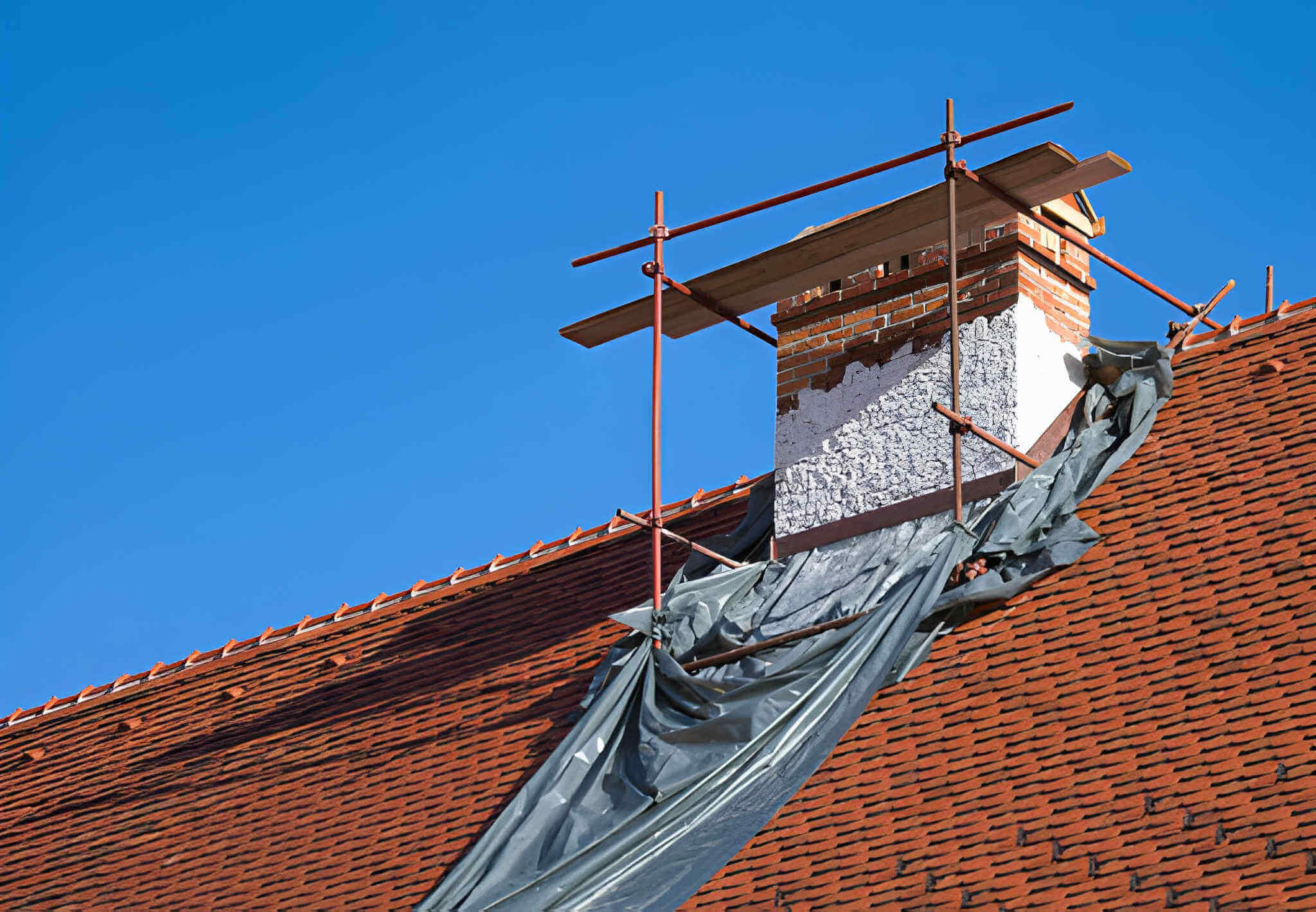
Maintaining your chimney is essential for a safe, efficient, and long-lasting fireplace or wood stove. Our Chimney Expert Team compiles research from trusted home-safety guidelines to help homeowners understand chimney care. Proper maintenance prevents costly repairs, reduces fire hazards, and improves your home’s indoor air quality.
In this guide, we explain the basics of chimney maintenance, routine inspections, cleaning methods, and tips for preventing common problems. This information is for educational purposes only, and we encourage consulting licensed chimney professionals for any inspections or repairs.
Why Chimney Maintenance Matters
Chimneys handle heat, smoke, and gases from your fireplace or stove. Over time, soot, creosote, and debris accumulate, which can:
-
Increase the risk of chimney fires
-
Block airflow and reduce efficiency
-
Cause water or moisture damage
-
Damage masonry, flue liners, or the chimney crown
Regular maintenance ensures that these issues are addressed before they escalate, keeping your home and family safe.
Key Components to Inspect During Maintenance
A thorough chimney maintenance routine focuses on several components:
-
Chimney Flue: The passage for smoke and gases. Creosote buildup can block airflow and increase fire risk.
-
Chimney Crown: The top layer that protects masonry. Cracks or damage allow water to enter.
-
Chimney Cap: Prevents rain, animals, and debris from entering the chimney.
-
Firebox: The interior where the fire burns. Check for cracks and excessive soot.
-
Masonry and Mortar: Inspect for loose bricks, crumbling mortar, or signs of water damage.
How Often Should You Maintain Your Chimney
Routine maintenance frequency depends on usage and climate:
-
Annual Inspection: All chimneys should be inspected at least once a year, ideally before the heating season.
-
Heavy Use: Homes with frequent fires may need cleaning or inspections twice a year.
-
Wood Type and Moisture: Wet wood or softwoods produce more creosote, requiring more frequent checks.
-
Climate Considerations: Humid or cold climates may accelerate deterioration or moisture problems.
Chimney Cleaning Methods
Cleaning removes soot, ash, and creosote, improving safety and efficiency. Common cleaning methods include:
-
Manual Sweeping: Using chimney brushes appropriate for the flue shape (round, square, or rectangular).
-
Vacuum Systems: Special high-efficiency vacuums designed for chimney ash removal.
-
Chemical Cleaning: Some homeowners use creosote-removing logs or treatments, but these do not replace professional cleaning.
Even if you perform small DIY cleaning tasks, a professional sweep is recommended annually to ensure complete removal and detect hidden issues.
Signs Your Chimney Needs Maintenance
Regular inspections help identify potential problems early. Watch for these signs:
-
Visible creosote buildup inside the flue
-
Smoke is backing into the room
-
Strange odors from the fireplace
-
Loose bricks or crumbling mortar
-
Water stains or moisture inside the chimney or on ceilings
-
Animal nests or debris accumulation
If any of these signs appear, contact a licensed chimney professional for a thorough evaluation.
Preventing Common Chimney Problems
Preventive measures reduce maintenance needs and prolong the chimney’s lifespan:
-
Use Seasoned Firewood: Dry, well-seasoned wood produces less creosote.
-
Install a Chimney Cap: Protects against water, debris, and animals.
-
Check Flashing and Roof Areas: Prevent water leaks around the chimney.
-
Monitor Firebox and Masonry: Repair small cracks or damage early.
-
Ensure Proper Draft: Proper airflow reduces smoke backup and creosote accumulation.
Chimney Maintenance Checklist
A practical checklist for homeowners:
-
Inspect chimney flue, crown, and cap
-
Remove visible soot and debris
-
Check masonry and mortar for damage
-
Verify damper operation
-
Clear any nests or blockages
-
Schedule a professional inspection at least annually
-
Monitor for moisture or water infiltration
Professional Maintenance vs. DIY
While homeowners can perform basic cleaning and minor inspections, professional maintenance provides:
-
Complete creosote removal
-
Inspection of hidden or hard-to-reach areas
-
Detection of structural issues, leaks, or fire hazards
-
Compliance with NFPA 211 and local building codes
DIY tasks should never replace annual professional inspections. Safety and efficiency depend on both homeowner vigilance and licensed professional expertise.
Seasonal Chimney Care Tips
-
Fall: Inspect and clean before the heating season. Ensure your chimney cap is secure.
-
Winter: Watch for ice dams, snow buildup, or unusual smoke patterns.
-
Spring: Inspect for storm damage, water infiltration, or animal nests.
-
Summer: Perform minor cleaning and prepare the chimney for occasional fires.
Long-Term Benefits of Regular Maintenance
Regular chimney maintenance offers multiple advantages:
-
Reduces the risk of chimney fires and smoke hazards
-
Extends the lifespan of masonry and flue liners
-
Improves fireplace or stove efficiency
-
Minimizes costly repairs and emergency interventions
-
Promotes healthier indoor air quality
Final Thoughts — Keep Your Chimney Safe and Functional
Chimney maintenance is an essential part of home safety. By inspecting components, cleaning creosote and debris, and addressing minor issues promptly, homeowners can prevent serious problems.
The Expert Chimney Team emphasizes educational, safe, and practical advice. Regular maintenance, combined with professional inspections, ensures your chimney operates efficiently, keeps your home protected, and provides peace of mind for years to come.
The Expert Chimney Team provides research-based guidance and practical tips on fireplaces, chimneys, and home safety. With 6 years of editorial experience, we help homeowners maintain safe, efficient, and well-functioning homes with clear, easy-to-understand advice. Read More
