
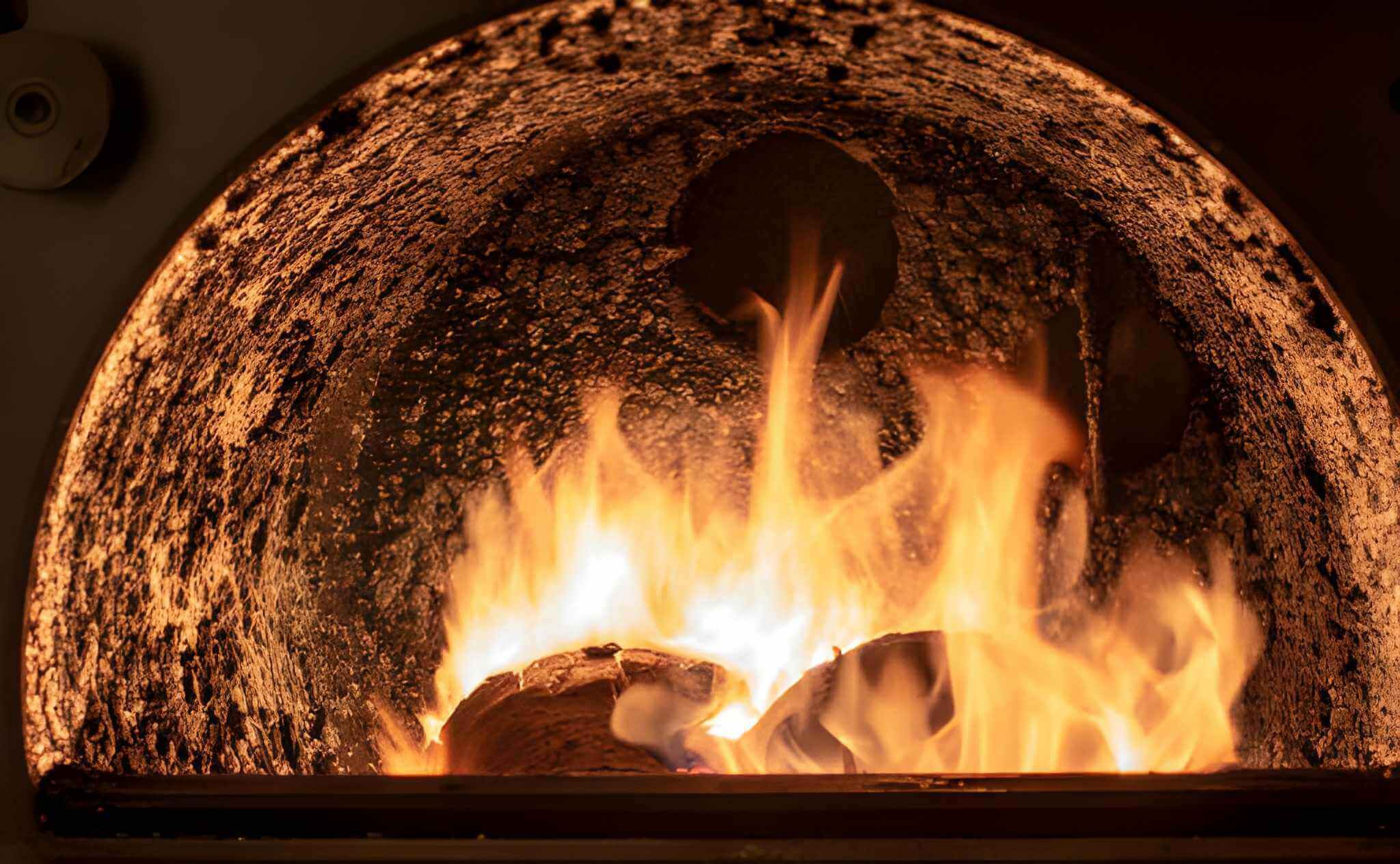
The Chimney Expert Team researches trusted home-safety guidelines to help homeowners stay informed about chimney-related risks. One topic that often raises concern is creosote burns—a painful and potentially dangerous skin or eye reaction caused by contact with creosote buildup from fireplaces, stoves, or chimney systems.
This article is for educational purposes only. If you experience a creosote burn or suspect exposure, seek immediate medical care from a licensed healthcare professional.
Creosote is a highly concentrated byproduct formed when wood smoke cools and condenses inside the chimney or stove pipe. In its liquid, solid, or tar-like form, creosote can irritate skin, eyes, and lungs. Severe cases may require medical evaluation, which is why creosote management and prevention are essential for every homeowner.
What Is a Creosote Burn?
A creosote burn happens when the skin or eyes come into contact with creosote soot, liquid creosote, chimney tar, or contaminated debris inside the flue or stove pipe. Because creosote contains chemicals that can irritate human tissue, exposure may cause redness, discomfort, or inflammation.
In many cases, people unknowingly touch creosote while cleaning a stove, sweeping a flue, or handling firewood coated in residue. The risk increases in homes with older stoves, heavy creosote buildup, or irregular chimney maintenance.
While homeowners search for phrases like “creosote burn treatment,” “creosote burn remedy,” or “how long do creosote burns last,” it’s important to emphasize that only a licensed medical professional can provide proper diagnosis and care.
How Creosote Burns Happen
Creosote exposure can occur during routine fireplace use or chimney maintenance. Common scenarios include:
• Handling firewood with creosote residue
• Touching creosote deposits inside the firebox or flue
• Cleaning a wood stove pipe without protective gloves
• Being near hot creosote that ignites or splatters
• Working around damaged stove gaskets or leaking flue connections
Creosote exposure is more likely in homes with:
• High-burning, low-oxygen fires
• Poorly maintained chimneys
• Long stove-pipe systems with heavy condensation
• Restricted airflow or clogged flues
Because creosote can irritate the skin and eyes, safe prevention and regular chimney maintenance are essential.
Common Symptoms of Creosote Burns
While symptoms vary depending on exposure, homeowners commonly report:
• Redness or irritation
• Burning sensation on the skin
• Discomfort after touching soot or residue
• Eye irritation if airborne particles are present
• Persistent smell of chemicals on skin or clothes
If symptoms appear after exposure to creosote, contact a medical professional immediately.
What to Do if You Suspect a Creosote Burn
This section provides general safety information only.
If you believe you’ve come in contact with creosote:
• Avoid touching the affected area further
• Avoid applying home remedies or oils
• Remove yourself from the exposure source
• Contact a licensed medical professional right away
Do not attempt DIY medical treatment.
>Do not rely on online remedies.
>Do not assume the discomfort will fade on its own.
Chemical burns—including those caused by creosote—can worsen without proper medical care.
How Long Do Creosote Burns Last?
Homeowners often search for “how long do creosote burns last,” but the answer depends entirely on the severity of exposure and the medical treatment provided. Only a healthcare professional can evaluate healing time, possible complications, or follow-up needs.
The safest approach is always to seek immediate professional medical help when creosote exposure occurs.
Preventing Creosote Burns
Prevention is the most effective way to avoid creosote burns around fireplaces, wood stoves, and chimney systems. Here are the most reliable safety practices supported by general chimney-safety guidelines:
Wear Protective Gear
• Thick work gloves
• Long sleeves
• Safety goggles
• Dust mask during chimney sweeping
Maintain Your Chimney
• Schedule annual inspections from a licensed chimney professional
• Have creosote removed before it becomes excessive
• Ensure proper airflow to reduce creosote buildup
• Repair damaged components promptly
Use Your Wood Stove Safely
• Burn only seasoned hardwood
• Avoid low, smoldering fires
• Ensure proper draft during startup
• Keep stove pipes fitted tightly
Rethink DIY Chimney Cleaning
While some homeowners attempt DIY cleaning, heavy creosote buildup requires professional tools and safe handling practices. Hiring a licensed chimney sweep reduces exposure to chemical residue and helps prevent burns or inhalation risks.
General First-Aid Principles (Educational Only)
These are standard safety guidelines, not specific medical instructions:
• Seek medical attention for any burn involving chemicals
• Avoid applying home remedies
• Do not rub or scratch exposed skin
• Do not apply creams, oils, or ointments unless directed by a licensed medical provider
Professional medical care is essential for evaluating chemical exposure.
When to Contact a Licensed Chimney Professional
While medical professionals handle creosote burns, chimney professionals play an important role in preventing future accidents. Contact a certified chimney technician if you notice:
• Thick, tar-like creosote dripping inside the firebox
• Strong chemical odors from the flue
• Reduced airflow or heavy smoke
• Black, shiny residue on the stove pipe
• Unusual heat around the chimney
• Signs of corrosion or leaks
A chimney expert can inspect your system, identify the cause of excessive creosote, clean the flue, and recommend safer burning practices.
How to Reduce Creosote Buildup
Reducing creosote lowers your risk of exposure. Consider the following strategies:
• Burn dry hardwood instead of wet or green wood
• Keep your stove pipe and chimney regularly cleaned
• Ensure your chimney has proper draft
• Avoid slow-burning, smoky fires
• Fix air leaks in stove doors or gaskets
• Avoid overloading the firebox
Small improvements in airflow and fuel quality dramatically reduce creosote formation.
Frequently Asked Questions About Creosote Burns
Does creosote cause chemical burns?
Creosote may irritate the skin or eyes. Only a medical professional can diagnose a chemical burn.
Are home remedies safe?
Online remedies may be unsafe. Contact a licensed healthcare provider instead.
Can smoke exposure cause symptoms?
Yes. Creosote particles may irritate the respiratory system. Seek medical care if symptoms appear.
How do I prevent creosote buildup?
Use seasoned wood, maintain good airflow, and schedule annual chimney inspections.
Is creosote dangerous to touch?
Creosote residue can irritate the skin. Wear gloves and protective clothing when dealing with chimney components.
Final Thoughts — Stay Safe and Seek Professional Help
Creosote burns are a serious safety concern for homeowners using wood-burning fireplaces or stoves. While this guide offers educational insight, any suspected exposure requires prompt medical attention.
The Chimney Expert Team encourages all readers to prioritize chimney maintenance, schedule annual inspections, use proper protective gear, and never attempt to treat chemical exposure at home.
Safe burning practices, regular chimney care, and quick medical attention are the best ways to protect yourself and your home.
The Expert Chimney Team provides research-based guidance and practical tips on fireplaces, chimneys, and home safety. With 6 years of editorial experience, we help homeowners maintain safe, efficient, and well-functioning homes with clear, easy-to-understand advice. Read More
