
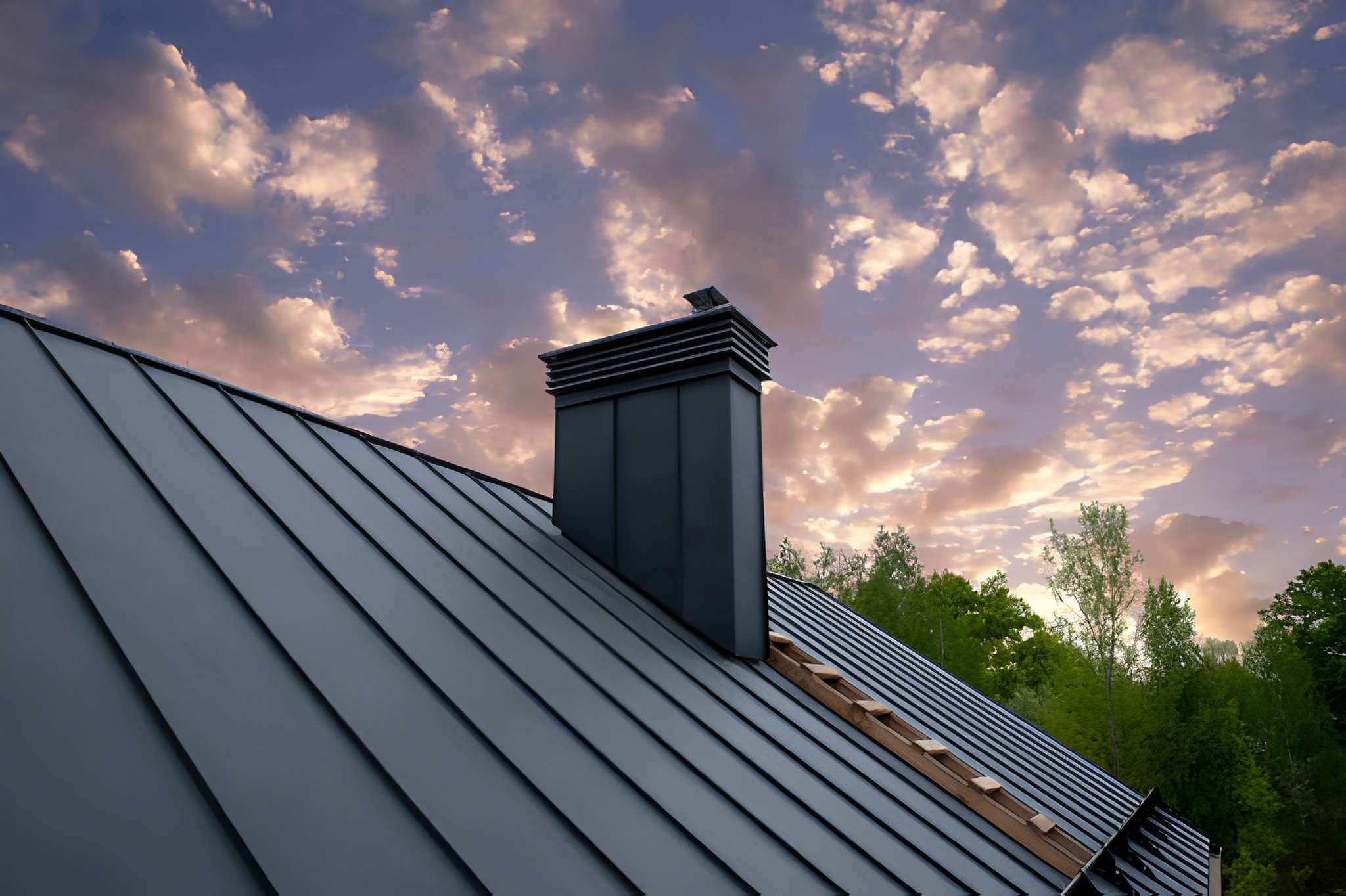
Chimney caps are essential for protecting your chimney, fireplace, and home from water, debris, animals, and sparks. Homeowners often ask about the different types of chimney caps and which style is best for their home. In this guide, we explain the main types of chimney caps, their benefits, and how to choose the right style for your chimney. All information is educational, and readers are encouraged to consult licensed chimney professionals for installation or inspection.
What Is a Chimney Cap and Why It Matters
Purpose of a Chimney Cap
A chimney cap is a metal or mesh cover installed on top of the chimney flue. Its main purposes include:
-
Preventing water from entering the chimney and causing rust or masonry damage
-
Keeping birds, squirrels, and other animals out
-
Blocking leaves, twigs, and debris that could reduce airflow
-
Preventing sparks from escaping and creating fire hazards
Benefits of Installing a Chimney Cap
-
Water Protection: Reduces leaks and interior damage
-
Animal Prevention: Stops nesting and blockage
-
Debris Control: Maintains proper airflow
-
Fire Safety: Reduces risk from escaping embers
-
Efficiency: Minimizes downdrafts and smoke issues
Common Types of Chimney Caps
Standard Chimney Cap
A simple metal cap that sits on top of the flue with a small overhang. Provides basic protection against rain and debris.
Chimney Cap with Spark Guard
Includes a metal mesh that prevents sparks from leaving the flue. Ideal for wood-burning fireplaces to reduce fire risks.
Multi-Flue Chimney Cap
Designed for chimneys with multiple flues. A single unit can cover several flues, offering uniform protection.
Custom Decorative Chimney Cap
Combines protection with aesthetic appeal. Often made of copper or stainless steel and designed to complement home architecture.
Adjustable Chimney Cap
Fits different flue sizes and can be resized. Flexible option for chimneys that may have unusual dimensions.
Materials Used in Chimney Caps
Stainless Steel
Durable, rust-resistant, and long-lasting. Suitable for most climates.
Copper
Visually appealing and corrosion-resistant. Can last decades with minimal maintenance.
Galvanized Steel
Budget-friendly option but may rust faster in wet climates.
Aluminum
Lightweight and easy to install, but less durable in harsh weather.
How to Choose the Right Chimney Cap Style
Consider Your Climate
Heavy rain, snow, or wind may require more robust materials like stainless steel or copper.
Consider Fireplace Type
Wood-burning fireplaces benefit most from spark screens, while gas fireplaces may need simpler caps.
Size and Fit
Measure your chimney flue accurately to ensure a snug fit. Improper sizing can lead to downdrafts or leaks.
Aesthetic Preferences
Custom or decorative caps can enhance the look of your home while providing full protection.
Installation and Maintenance Tips
Professional Installation Recommended
While DIY installation is possible for some caps, professional fitting ensures safety, proper sealing, and compliance with building codes.
Regular Maintenance
-
Inspect annually for rust or damage
-
Clean debris from the mesh or spark guard
-
Ensure the cap is secure after storms or strong winds
When to Replace a Chimney Cap
-
Rusted or warped metal
-
Loose or missing screws
-
Repeated debris or animal entry
-
Leaks or water damage around the chimney
Frequently Asked Questions About Chimney Cap Styles
Q. Do all chimneys need a cap?
Yes, every chimney benefits from a cap, regardless of fireplace type or usage.
Q. Can I install a chimney cap myself?
DIY installation is possible for experienced homeowners with proper safety equipment, but professional installation is recommended for optimal protection.
Q. How often should a chimney cap be inspected?
Inspect at least once per year and after major storms to maintain safety and efficiency.
Final Thoughts — Selecting the Right Chimney Cap
Choosing the right type of chimney cap ensures your chimney stays protected from water, debris, and fire hazards. From basic metal covers to decorative custom caps, there are options for every home. Proper installation, maintenance, and yearly inspections keep your chimney safe, efficient, and functional for years to come.
Our Chimney Expert Team compiles reliable home-safety information to help homeowners make informed decisions. Always consult a licensed chimney professional for installation or inspection to maintain safety and compliance.

The Expert Chimney Team provides research-based guidance and practical tips on fireplaces, chimneys, and home safety. With 6 years of editorial experience, we help homeowners maintain safe, efficient, and well-functioning homes with clear, easy-to-understand advice. Read More
