
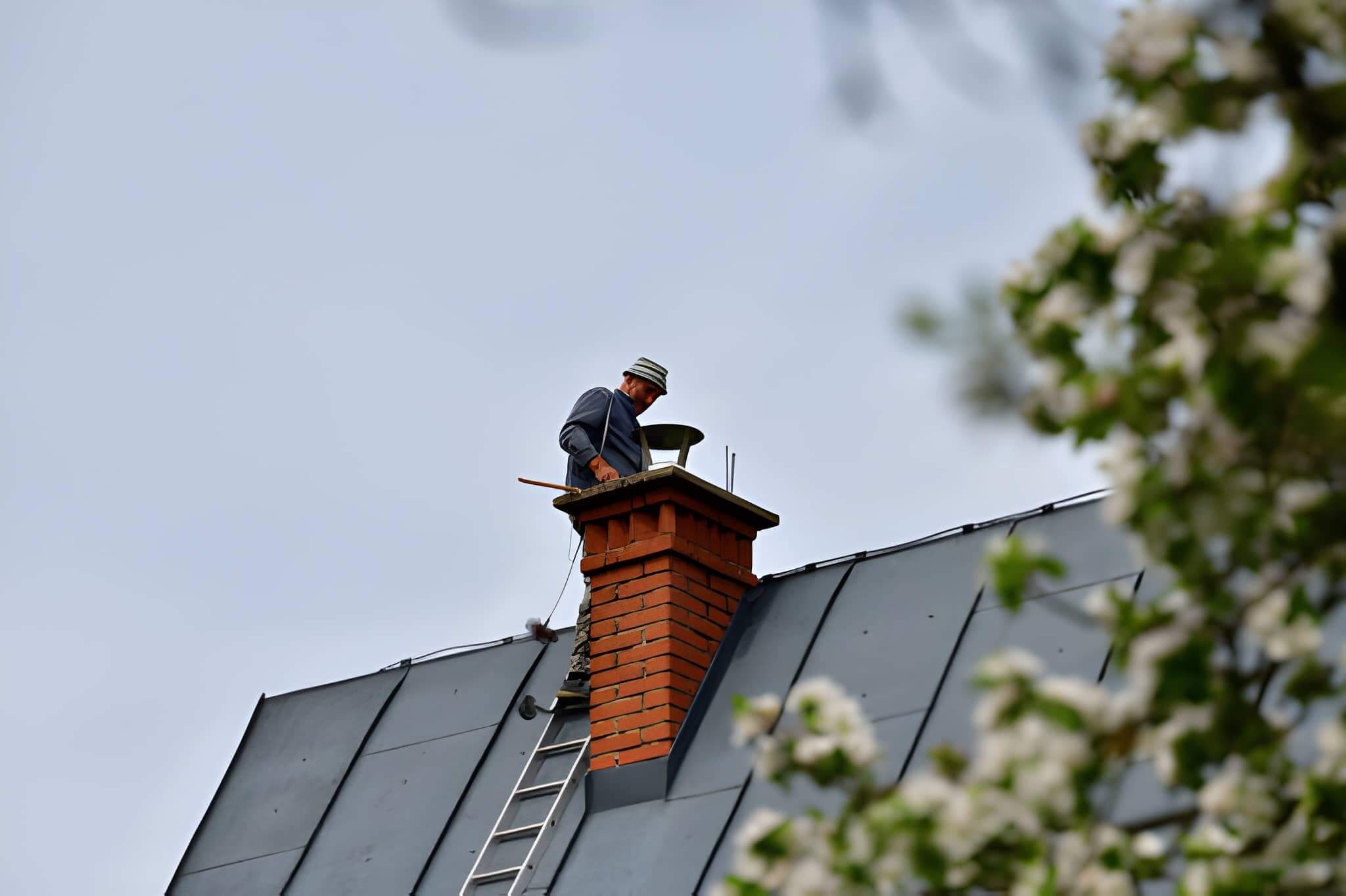
Your chimney is one of the most important parts of your home’s structure, yet it is often exposed to harsh weather conditions. Rain, snow, and ice can seep into brick and mortar, causing damage over time. Applying a chimney water repellent can help protect your chimney from moisture, extend its lifespan, and prevent costly repairs. The Expert Chimney Team has compiled information from trusted home-safety guidelines to help homeowners understand chimney waterproofing, the benefits of water repellents, and best practices for application.
What Is Chimney Waterproofing?
Chimney waterproofing, also referred to as chimney water repellent treatment, is the process of applying a sealant to the exterior surface of your chimney to prevent water penetration. Water can cause brick to spall, mortar to erode, and lead to mold or mildew growth. A high-quality chimney water repellent forms a protective barrier while still allowing the masonry to breathe, preventing trapped moisture from causing long-term structural issues.
Water repellents like ChimneySaver sealant are designed to penetrate the masonry surface without altering the appearance of your brick or stone chimney. They are especially effective on older chimneys or those exposed to frequent rain and snow. Proper waterproofing is a proactive step to preserve both the structural integrity and visual appeal of your chimney.
Why Apply Chimney Water Repellent?
Moisture is one of the most common causes of chimney damage. Applying a water repellent offers several benefits for homeowners:
-
Prevents Brick and Mortar Damage: Water can erode mortar joints, weaken bricks, and lead to cracks or spalling. A repellent protects against these issues.
-
Reduces Mold and Mildew Growth: Moisture encourages mold and mildew inside and around the chimney, which can affect indoor air quality.
-
Extends Chimney Lifespan: By reducing water infiltration, a sealant can prolong the functional life of the chimney.
-
Protects Fireplace Efficiency: A dry chimney allows smoke and gases to vent properly, maintaining efficient operation.
Benefits of Using Chimney Saver Water Repellent or Similar Sealants
Many homeowners choose ChimneySaver water repellent or comparable products for their durability and ease of use. The key benefits include:
-
Protection Against Weather: Shields your chimney from rain, snow, and ice.
-
Penetrates Masonry: Absorbs into the brick or mortar rather than just forming a surface layer, preserving the chimney’s natural look.
-
Breathable Barrier: Allows trapped moisture to escape while preventing new water from entering.
-
Long-Lasting Results: Proper application can provide protection for 3–5 years or longer, depending on climate conditions.
Types of Chimney Water Repellents
Choosing the right sealant depends on your chimney type and local weather conditions. The main options include:
-
Silane/Siloxane-Based Sealants: These penetrate masonry deeply, provide long-lasting water protection, and maintain a natural appearance.
-
Acrylic or Topical Coatings: Form a surface layer that repels water. While effective, they may alter the look of your brick or mortar slightly.
Penetrating sealants are generally preferred for older chimneys or historic brickwork because they offer protection without changing the chimney’s appearance. Topical coatings can be suitable for new construction or chimneys where aesthetics are less of a concern.
How to Apply Chimney Water Repellent Safely
Applying a chimney water repellent requires preparation and safety precautions to ensure effectiveness and prevent accidents:
-
Surface Preparation: Clean the chimney thoroughly by removing soot, debris, moss, or mold. Pressure washing or gentle scrubbing can help.
-
Weather Conditions: Apply the sealant during dry weather with temperatures above 40°F to allow proper penetration and curing.
-
Step-by-Step Application:
-
Wear protective gloves and goggles.
-
Use a brush, sprayer, or roller to apply the sealant evenly over all brick and mortar surfaces.
-
Apply multiple thin coats if recommended by the manufacturer, rather than one thick coat.
-
Allow adequate drying time before exposing the chimney to rain or snow.
-
-
Safety Precautions: Use a stable ladder and roof safety equipment. Avoid leaning over edges or working alone. Never apply sealant indoors or in poorly ventilated areas.
Maintenance and Reapplication
Even the best chimney water repellent requires ongoing attention:
-
Inspect your chimney annually for signs of wear, such as water stains or brick deterioration.
-
Clear any debris or moss buildup on the chimney surface.
-
Reapply the sealant every 3–5 years, depending on the product and local climate.
-
After storms or extreme weather, check for damage or areas where the repellent may have worn away.
DIY vs Professional Chimney Waterproofing
Homeowners often ask whether they can apply chimney water repellent themselves or hire a professional.
DIY Application:
-
Suitable for confident homeowners with experience working at heights.
-
Cost-effective and flexible scheduling.
-
Requires proper tools, safety equipment, and careful attention to coverage.
Professional Application:
-
Ensures even application and maximum penetration of the sealant.
-
Identifies any underlying masonry issues that may need repair before sealing.
-
Adheres to safety protocols and local building codes.
-
Recommended for tall, angled, or structurally older chimneys.
Common Questions About Chimney Water Repellent
Can I apply sealant to a new chimney?
Yes, once the masonry has cured, typically after 28 days.
Does it affect chimney appearance?
Penetrating sealants maintain the natural brick look, while topical coatings may slightly alter color.
How long before I see results?
Protection is immediate, but long-term durability develops as the product fully cures.
Is it safe for all masonry types?
Most brick, stone, and mortar surfaces are compatible, but always check the manufacturer’s guidelines.
Final Thoughts — Keep Your Chimney Protected Year-Round
Chimney water repellent is a practical, preventive measure to protect your chimney from moisture damage, mold, and structural issues. Regular inspections combined with proper waterproofing ensure your chimney functions efficiently and lasts longer.
The Expert Chimney Team encourages homeowners to follow safety guidelines, consider professional assistance when necessary, and maintain their chimneys consistently. By using a high-quality water repellent and keeping up with annual inspections, you can safeguard your chimney against the elements and avoid costly repairs.
The Expert Chimney Team provides research-based guidance and practical tips on fireplaces, chimneys, and home safety. With 6 years of editorial experience, we help homeowners maintain safe, efficient, and well-functioning homes with clear, easy-to-understand advice. Read More
