
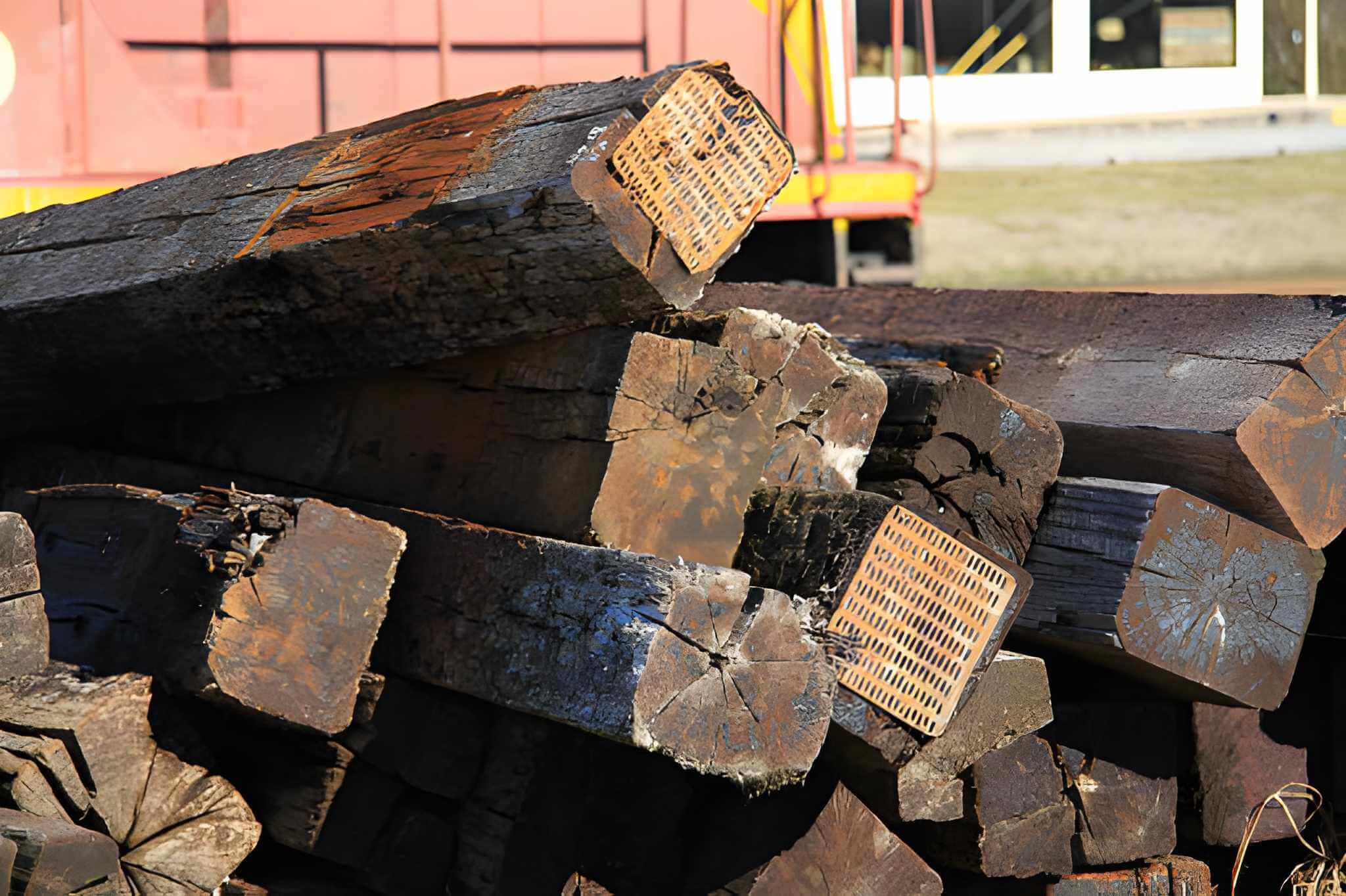
Creosote-treated lumber is a widely used material in outdoor construction, utility poles, and railroad ties due to its natural resistance to decay, insects, and fungal growth. We aim to provide clear, safe, and educational information on creosote lumber, its applications, and important safety considerations for homeowners.
While creosote lumber is durable, it contains chemicals that can pose health and environmental risks if handled improperly. This guide explains what creosote lumber is, its common uses, safe handling practices, and maintenance tips. Remember, this content is for educational purposes only—always consult professionals for specific applications or treatment.
What Is Creosote Lumber?
Creosote lumber refers to wood that has been treated with creosote, a preservative derived from coal tar. This chemical treatment protects the wood from:
-
Fungal decay and rot
-
Termites and other wood-boring insects
-
Moisture damage in outdoor environments
Creosote-treated wood is commonly dark brown or black due to the preservative and has a distinctive smell. It has been used for decades in applications where longevity and resistance to the elements are essential.
Types of Creosote Lumber
There are a few common types of creosote-treated wood:
-
Railroad Ties: Heavy-duty timbers treated with creosote to withstand outdoor conditions and heavy load-bearing.
-
Utility Poles: Poles for electrical or telecommunication lines often use creosote-treated wood for long-term durability.
-
Landscaping Timbers: Creosote timbers are sometimes used in retaining walls, garden borders, and outdoor structures.
-
Marine Lumber: Wood treated for docks, piers, and marine construction to resist water and decay.
Creosote Treatment Process
Creosote treatment involves soaking or pressure-treating lumber with the chemical to ensure deep penetration. The process includes:
-
Wood preparation: Lumber is dried and cut to size.
-
Pressure treatment: The wood is placed in a pressurized cylinder filled with creosote, forcing the preservative deep into the wood fibers.
-
Curing: Treated wood is allowed to cure, reducing the risk of chemical leaching and ensuring long-term effectiveness.
This treatment provides extended protection, but it also makes handling the wood more hazardous than untreated lumber.
Common Uses of Creosote Lumber
Creosote lumber is chosen for outdoor and high-exposure applications where untreated wood would fail. Typical uses include:
-
Fence posts and gates
-
Deck supports and pilings
-
Railroad ties and railway infrastructure
-
Utility poles and telecommunication structures
-
Outdoor retaining walls and landscaping features
The durability of creosote timbers makes them a preferred choice where moisture, insects, or decay could compromise untreated wood.
Safety Considerations for Creosote Lumber
While creosote lumber is highly durable, it contains chemicals that can be harmful if handled incorrectly. Homeowners and DIY enthusiasts should follow these safety guidelines:
Handling Precautions
-
Always wear gloves when touching creosote lumber to prevent skin contact.
-
Avoid inhaling dust or sawdust from cutting or sanding the wood.
-
Wear long sleeves and safety glasses to minimize exposure.
-
Wash your hands thoroughly after handling creosote-treated wood.
Cutting and Machining
-
Cut lumber outdoors or in well-ventilated areas.
-
Use proper respiratory protection to avoid inhaling fumes or dust.
-
Avoid burning creosote-treated wood, as it releases toxic chemicals.
Environmental Considerations
-
Do not use creosote lumber in vegetable gardens or areas where it may contact food.
-
Dispose of scrap pieces according to local regulations for hazardous materials.
-
Avoid using creosote wood near water bodies where chemicals could leach into the soil or water.
Creosote Treatment Alternatives
For homeowners concerned about chemical exposure, several safer alternatives exist:
-
Pressure-treated lumber with safer preservatives: These woods use copper-based compounds instead of creosote.
-
Naturally rot-resistant woods: Cedar, redwood, and cypress resist decay without chemical treatment.
-
Composite or recycled materials: Many outdoor products now use composite lumber for durability without chemical risks.
These alternatives reduce health risks while still providing long-term outdoor performance.
Maintaining Creosote Lumber
Even though creosote lumber is durable, proper maintenance is essential to maximize lifespan and safety:
-
Inspect annually for cracks, splits, or signs of decay.
-
Avoid prolonged water exposure that could compromise wood structure.
-
Replace damaged sections promptly to maintain stability.
-
Use protective coatings or sealants only if recommended for creosote-treated wood.
Creosote Burn Treatment and Cleanup
Sometimes creosote-treated wood can leave residues or staining. While these are generally harmless with proper handling, it’s important to follow safe cleanup practices:
-
Clean tools and surfaces immediately after contact.
-
Use disposable rags or dedicated brushes for creosote lumber projects.
-
Never dispose of sawdust or scrap by burning, as this releases toxic smoke.
Handling Minor Skin Contact
-
Wash immediately with soap and water if your skin contact cwith reosote.
-
Avoid prolonged exposure and do not apply solvents without professional guidance.
-
Seek medical advice if irritation persists.
Regulatory and Professional Guidelines
Creosote-treated lumber use is often regulated due to environmental and health concerns:
-
Follow EPA and local regulations when using or disposing of creosote wood.
-
Some areas restrict creosote lumber in residential landscaping.
-
Licensed professionals can advise on safe installation, especially for structural or high-exposure applications.
Consulting Experts
Even though this guide provides general information, consulting experienced builders, landscapers, or arborists ensures safe and effective use of creosote lumber. Professionals can also recommend alternatives if chemical exposure is a concern.
Key Takeaways
-
Creosote lumber is treated to resist decay, insects, and moisture, making it ideal for outdoor and high-exposure applications.
-
Safety is paramount—always wear protective gear and avoid burning the wood.
-
Consider safer alternatives for residential or garden projects.
-
Regular inspection and maintenance extend the wood’s lifespan and prevent hazards.
-
Consult local regulations and professionals for guidance on use and disposal.
Final Thoughts — Safe Use of Creosote Lumber
Creosote-treated wood remains a practical choice for outdoor structures where durability and protection against decay are essential. However, the chemical treatment requires careful handling and environmental awareness.
At HealthGardeners.com, our Chimney Expert Team provides educational guidance to help homeowners understand creosote lumber uses, safety precautions, and proper maintenance. By following these best practices, you can ensure your outdoor projects remain safe, long-lasting, and effective without unnecessary health or environmental risks.

The Expert Chimney Team provides research-based guidance and practical tips on fireplaces, chimneys, and home safety. With 6 years of editorial experience, we help homeowners maintain safe, efficient, and well-functioning homes with clear, easy-to-understand advice. Read More
