
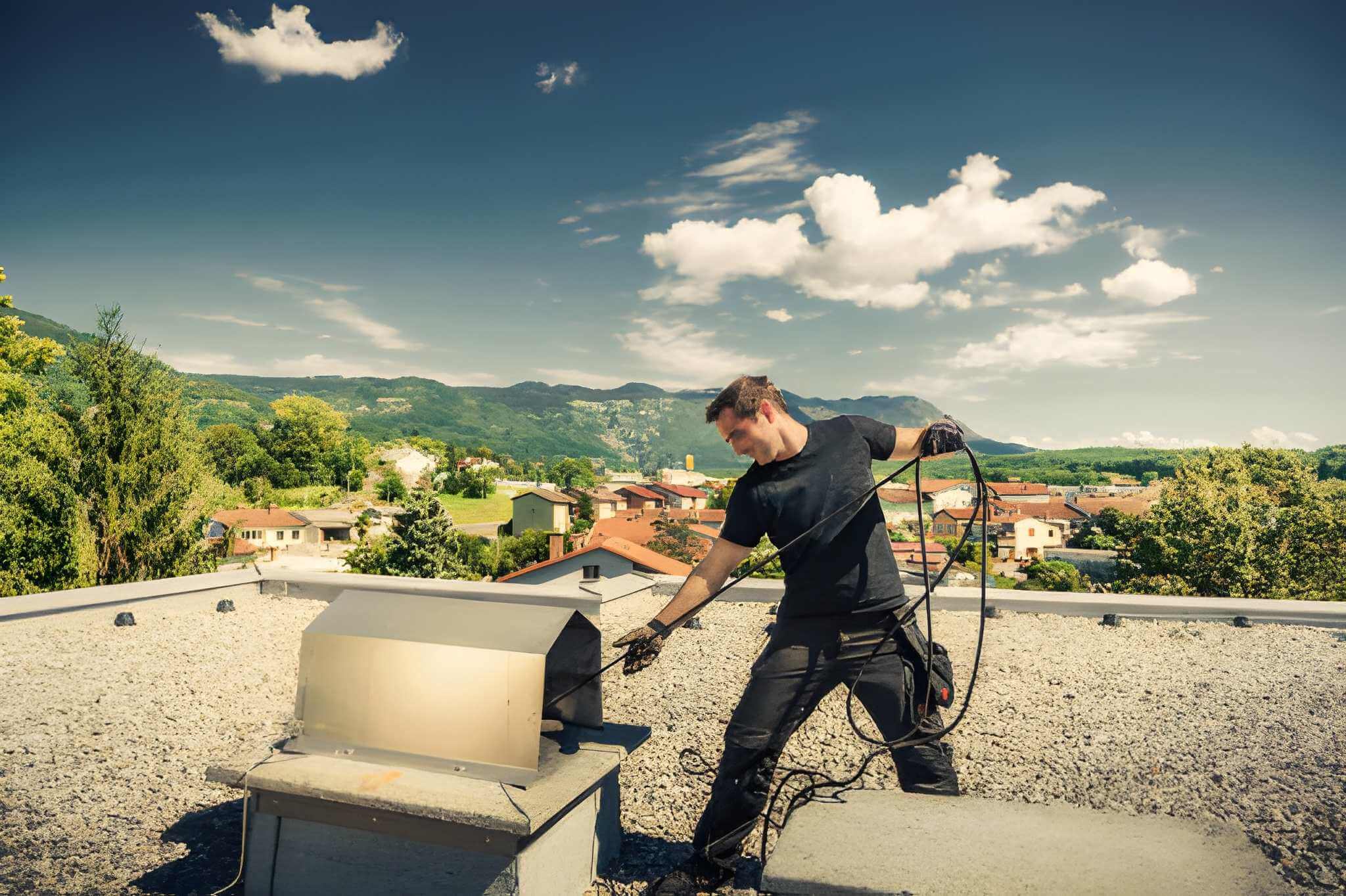
Keeping your chimney clean is one of the most important parts of home and fireplace care. Our Expert Chimney Team gathers trusted information from home-safety guidelines to help homeowners understand how chimney cleaning services work and why they matter. This guide explains what chimney cleaning includes, when to schedule it, and how it helps reduce fire risks, smoke issues, and long-term repair costs. All content is for educational purposes only. Always contact a licensed chimney professional for inspections, cleaning, or repairs.
Why Chimney Cleaning Services Matter
A fireplace creates warmth and comfort, but it also produces soot, smoke, and creosote—a flammable substance that builds up inside the flue. Over time, this buildup can block airflow, weaken the chimney structure, and increase the risk of fires. Professional chimney cleaning services remove these deposits and help keep your home safer.
Regular cleaning supports better airflow, smoother smoke ventilation, and improved energy efficiency. It also gives professionals a chance to spot early signs of damage, such as cracks, broken liners, or moisture problems. When homeowners pair cleaning with routine chimney inspection and proper fireplace maintenance, the entire system works more reliably.
What Happens During a Chimney Cleaning Service?
Most chimney cleaning services follow a clear and structured process. While details vary depending on the company, the goal is always to remove soot, creosote, and blockages to keep the chimney working properly.
Step 1: Initial Chimney Inspection
Before cleaning begins, professionals check the chimney for visible issues. This may include looking at the chimney crown, inspecting the flue, and reviewing the firebox. The goal is to identify problems such as nests, cracks, or obstructions that could affect the cleaning or chimney safety.
Step 2: Preparing the Fireplace Area
The surrounding area is covered to protect furniture, flooring, and walls. This helps control soot and dust during the cleaning process. Fireplaces that have not been cleaned for several years may produce more debris, requiring extra protection.
Step 3: Cleaning the Flue and Firebox
Using brushes, rods, and vacuum systems, the chimney sweep removes soot and creosote from the flue walls. Some professionals use rotary cleaning systems for thicker buildup. The firebox is also cleaned to remove ash and soot deposits.
Step 4: Checking for Draft Issues
After cleaning, airflow is tested to ensure smoke moves through the chimney correctly. If smoke backs up into the room, it may indicate an issue with the damper, flue size, or blockages. Professionals may recommend additional chimney repair or inspection services if problems appear.
Step 5: Final Review and Safety Notes
Once the cleaning is complete, professionals often summarize their findings. This helps homeowners understand the condition of the chimney and whether further maintenance is needed. Regular reviews strengthen long-term chimney safety and efficiency.
How Often Should You Schedule Chimney Cleaning Services?
Most home-safety guidelines recommend at least one annual chimney cleaning and inspection. However, your schedule may depend on how often you use your fireplace.
Clean your chimney more often if:
-
You burn wood daily during cold months
-
You notice a strong smoke smell
-
You see soot or creosote inside the firebox
-
Smoke enters your home when using the fireplace
-
You spot debris such as leaves or nests in the flue
Gas fireplaces usually need less cleaning than wood-burning fireplaces, but they still require yearly inspection to ensure the venting system works correctly.
Signs Your Chimney Needs Cleaning
A chimney can show several warning signs when it needs attention. Ignoring these signs may lead to blocked airflow, poor ventilation, or fire hazards.
Common symptoms include:
-
A thick, dark coating inside the firebox
-
Frequent smoke backup
-
Bits of creosote falling into the fireplace
-
Strong, sour, or tar-like odors
-
Poor draft or difficulty starting fires
-
Black stains around the fireplace opening
If you notice any of these issues, schedule chimney cleaning services as soon as possible.
The Risks of Skipping Chimney Cleaning
Skipping chimney cleaning can lead to serious problems. Creosote is highly flammable, and even a small amount can ignite when exposed to high heat. A neglected chimney may also collect debris, which blocks airflow and forces smoke back into your home.
Other risks include:
-
Faster chimney wear and tear
-
Increased chimney repair costs
-
Corrosion caused by trapped moisture
-
Damage to the chimney liner
-
Reduced fireplace efficiency
-
Higher risk of carbon monoxide buildup
Routine cleaning reduces these risks and helps keep your chimney functioning safely.
Chimney Cleaning Services vs. DIY Cleaning
Many homeowners wonder whether they can clean the chimney themselves. While basic cleaning tools exist for home use, the process is more challenging than it appears.
DIY Chimney Cleaning
DIY tools may work for light soot removal, but they rarely reach the entire flue. Homeowners may also struggle with identifying cracks, blockages, or structural problems. Climbing onto the roof without proper safety gear also increases risk.
Professional Chimney Cleaning Services
Licensed chimney professionals use specialized tools, vacuums, and inspection devices to clean the entire system. They also check for hidden problems that the average homeowner cannot detect. This makes professional cleaning more thorough and reliable.
The Connection Between Chimney Cleaning and Chimney Maintenance
Chimney cleaning is one part of a larger chimney maintenance routine. To keep your fireplace working properly, combine cleaning with:
-
Annual chimney inspection
-
Chimney repair when needed
-
Waterproofing or chimney water repellent
-
Masonry maintenance
-
Regular fireplace cleaning
This combined approach protects the chimney from fire hazards, water damage, and long-term structural issues.
How Chimney Cleaning Supports Fireplace Efficiency
A clean chimney allows smoke to rise smoothly through the flue, improving airflow and reducing smoke backup. This helps fires burn hotter and more efficiently. With less creosote and soot inside the chimney, the firebox stays cleaner, and the fireplace produces more consistent heat.
Improved airflow also reduces odor, moisture buildup, and staining around the fireplace. Over time, these improvements help extend the life of the chimney and reduce repair needs.
When to Pair Cleaning with Chimney Repair
During cleaning, some issues may appear that require chimney repair. Homeowners should address these problems early to prevent bigger issues.
Common repair needs include:
-
Cracked chimney liners
-
Damaged flue tiles
-
Worn chimney mortar
-
Corroded chimney caps
-
Loose or broken bricks
-
Leaks around the chimney crown
Cleaning often reveals these problems, allowing homeowners to fix them quickly.
Final Thoughts — Why Chimney Cleaning Services Matter
Chimney cleaning services play a major role in protecting your home and fireplace. They remove soot, reduce creosote buildup, improve airflow, and support long-term chimney safety. Our goal is to share helpful, research-based information that helps homeowners understand the chimney cleaning process and make informed decisions.
For all inspections, repairs, or chimney cleaning services, always contact a licensed chimney professional. A well-maintained chimney supports safer fires, better airflow, and years of reliable performance.
The Expert Chimney Team provides research-based guidance and practical tips on fireplaces, chimneys, and home safety. With 6 years of editorial experience, we help homeowners maintain safe, efficient, and well-functioning homes with clear, easy-to-understand advice. Read More
