
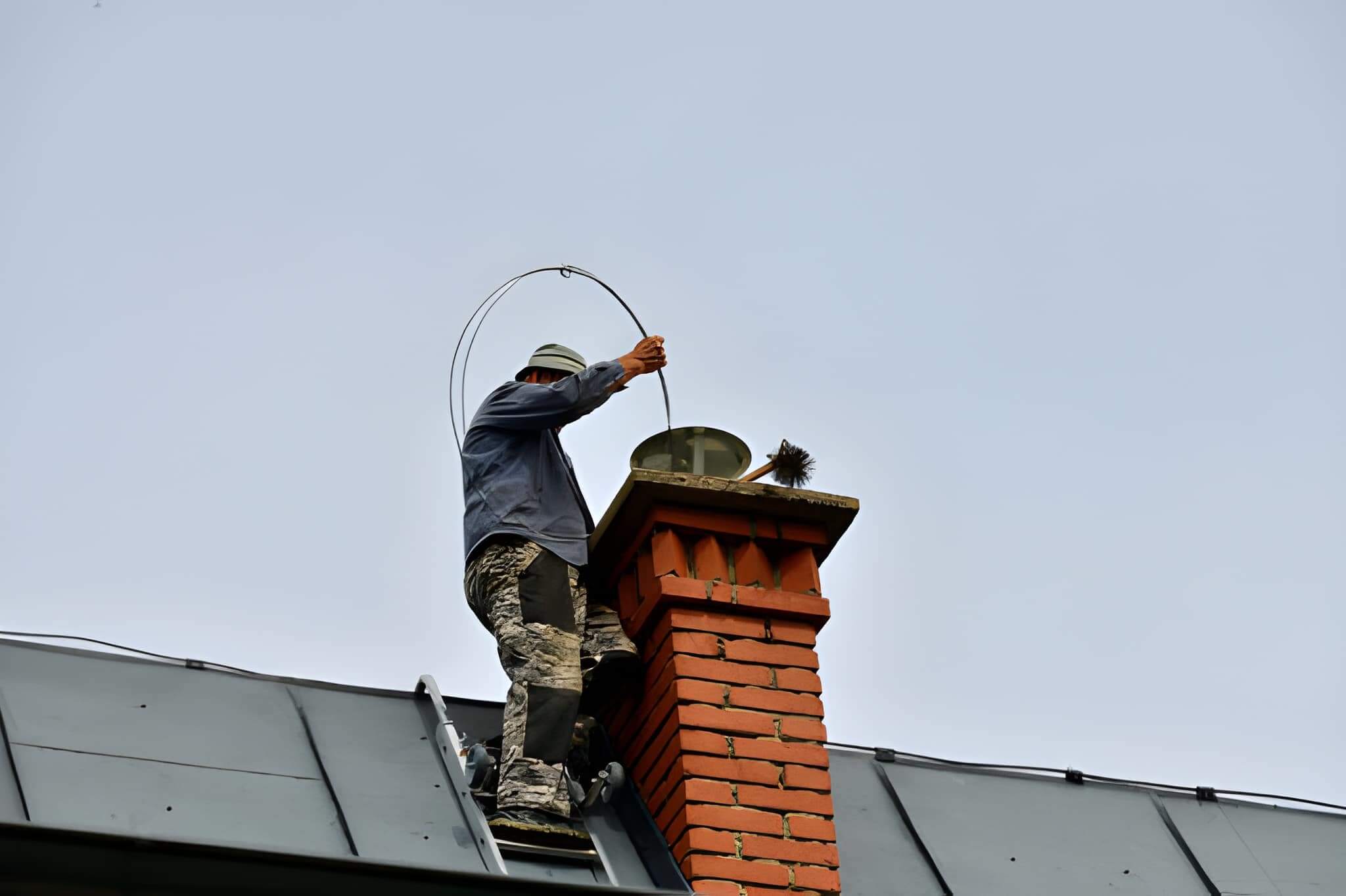
Gas furnaces are common in many homes, and they depend on a safe, clean venting system to operate efficiently. When the chimney or flue connected to a gas furnace becomes blocked, coated with residue, or damaged, it can affect performance and increase safety risks. Our Chimney Expert Team studies trusted home-safety sources to help homeowners understand why furnace flue cleaning matters and when it’s time to call a licensed professional.
This guide explains how a gas furnace chimney sweep works, signs that your furnace flue needs attention, and the role of regular chimney maintenance in keeping your heating system safe. Our goal is to provide clear, research-based information that helps you make better decisions for your home.
Why Gas Furnace Chimney Cleaning Matters
A gas furnace does not produce thick creosote like a wood-burning fireplace, but it still leaves behind residue. Over time, moisture, soot, and acidic byproducts can collect inside the chimney or furnace flue. If these deposits build up, they can affect the furnace’s ability to vent properly.
A clean flue is essential for:
-
Safe removal of carbon monoxide
-
Better furnace efficiency
-
Reduced risk of corrosion
-
Longer furnace lifespan
-
Prevention of blockages from debris or nesting animals
Even modern high-efficiency furnaces require clear venting pathways. Gas furnace chimney cleaning protects your home from hidden problems that often go unnoticed until they cause larger issues.
How a Gas Furnace Chimney Sweep Works (Overview)
A gas furnace chimney sweep is different from a traditional wood-burning chimney sweep. The process focuses on the furnace flue, vent connectors, exhaust pathways, and any connected masonry or metal chimney.
Below is an educational overview of what licensed professionals typically check:
1. Inspection of the Furnace Flue
The flue is reviewed for:
-
Blockages
-
Loose debris
-
Soot and corrosion
-
Moisture buildup
-
Material deterioration
Even a small blockage can affect airflow and hinder safe venting.
2. Cleaning the Vent Connector
The metal pipe connecting the furnace to the chimney can collect:
-
Soot
-
Rust
-
Moisture residues
Cleaning this connector improves draft and reduces long-term damage.
3. Chimney Cleaning (If Connected)
Older homes may vent gas furnaces through masonry chimneys. These chimneys can develop:
-
Crumbling mortar
-
Tile liner cracks
-
Moisture damage
-
Soot deposits
If the chimney is part of the furnace system, it may be cleaned using soft-bristle brushes or special vacuum tools designed for gas appliances.
4. Draft and Airflow Check
Proper airflow prevents carbon monoxide from backing up into the home. A draft test confirms that exhaust moves safely upward and out.
5. Safety Review
Professionals also look for:
-
Rusted or loose flue components
-
Blockages from leaves or animals
-
Evidence of moisture leaks
-
Early signs of furnace chimney repair needs
This step helps identify problems before they become costly.
Signs Your Gas Furnace Chimney Needs Cleaning
Gas furnace chimney issues often develop quietly. Watch for:
-
Yellow or flickering furnace flame
-
Rust around vent pipes
-
Moisture around the furnace or flue
-
A lingering smell when the furnace runs
-
Soot around registers or near the furnace
-
Unusual furnace shutdowns
-
Higher energy bills
-
Water marks or white staining on a masonry chimney
These symptoms may indicate the need for gas furnace chimney cleaning, furnace flue cleaning, or even repair.
If you notice any of these issues, reach out to a licensed HVAC or chimney professional. They can inspect the system safely and determine the right solution.
How Often Should You Clean a Gas Furnace Chimney?
Timing depends on:
-
Furnace age
-
Type of venting system
-
Chimney material
-
Local climate
-
Overall furnace usage
However, many safety organizations recommend annual inspections for any heating appliance. A simple yearly inspection can detect early issues such as corrosion, blockages, or flue deterioration.
A yearly check also ensures efficient heating and lowers the chance of carbon monoxide problems.
Furnace Chimney Repair — When Cleaning Isn’t Enough
Sometimes, an inspection reveals that cleaning is not enough. In these cases, the chimney or furnace flue may need repair.
Common repair needs include:
-
Cracked flue liners
-
Rusted connectors
-
Damaged chimney tiles
-
Loose or deteriorated masonry
-
Leaks allowing water inside
If you notice repeated furnace shutdowns or moisture around the flue, a professional may recommend chimney relining or structural repairs. These repairs improve safety and ensure the furnace vents properly.
Gas Furnace Chimney Sweep vs. Boiler and Chimney Cleaning
If you have a boiler instead of a furnace, the cleaning requirements may differ. Boilers can produce more condensation and may require specialized tools. Still, both systems rely on safe and clear venting.
Here’s how they compare:
| System | Residue Type | Cleaning Focus |
|---|---|---|
| Gas Furnace | Light soot, moisture | Flue, vent connector |
| Gas Boiler | Moisture-heavy residue | Chimney liner, boiler venting |
| Oil Boiler | Soot-heavy buildup | Frequent sweeping and flue cleaning |
Understanding your heating system helps you maintain it more effectively. When in doubt, ask a licensed HVAC or chimney expert which type of maintenance applies to your home.
Benefits of Regular Gas Furnace Chimney Maintenance
Routine maintenance offers several advantages:
-
Better heat output
-
Lower risk of venting blockages
-
Extended furnace life
-
Fewer surprise repairs
-
Safer carbon monoxide management
-
Improved energy efficiency
Homeowners who maintain their furnace venting tend to experience fewer breakdowns during winter. Even simple steps such as checking for visible rust or debris can prevent bigger issues later.
DIY Furnace Flue Checks (Safe, Simple Visual Checks Only)
We does not recommend DIY furnace flue cleaning or chimney sweeping because the process requires specialized equipment and safety knowledge. However, homeowners can visually check for:
-
Debris around the furnace
-
Rust on the vent connector
-
Dripping water or white stains on masonry
-
Unusual smells when the furnace runs
These simple observations can alert you to problems early. Any cleaning, repair, or sweeping should be done by licensed professionals.
When to Call a Licensed Professional
Contact a qualified technician if you notice:
-
Furnace shutdowns
-
Soot marks near the furnace
-
Water inside the flue
-
Persistent rust
-
Loud furnace operation
-
Blockages in the chimney top
Professionals can perform furnace chimney repair, full chimney cleaning, or furnace flue cleaning using the correct tools.
Final Thoughts — Keep Your Gas Furnace Venting Safe
A gas furnace chimney sweep is an essential part of home safety and heating performance. Clean venting protects against carbon monoxide risks, reduces furnace strain, and helps your heating system last longer. Our Chimney Expert Team provides educational guidance based on trusted safety references, so you can better understand how furnace chimney cleaning works.
For any cleaning, repair, or inspection needs, always consult a licensed chimney or HVAC professional. Their expertise ensures safe, efficient furnace operation throughout the year.
The Expert Chimney Team provides research-based guidance and practical tips on fireplaces, chimneys, and home safety. With 6 years of editorial experience, we help homeowners maintain safe, efficient, and well-functioning homes with clear, easy-to-understand advice. Read More
