
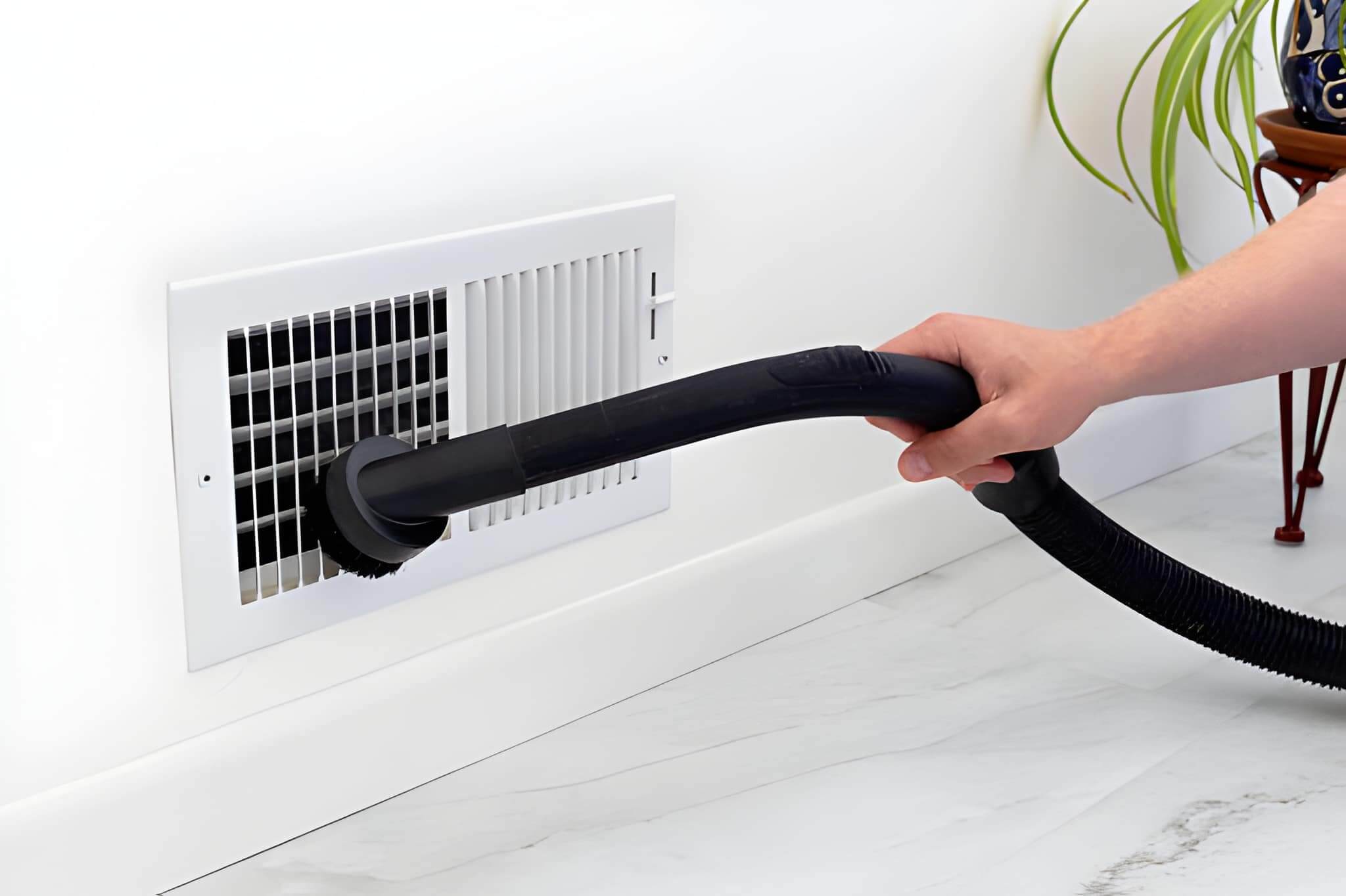
Proper chimney and air duct cleaning is essential for maintaining a safe and healthy home. Our Chimney Expert Team compiles trusted guidelines to help homeowners understand the importance of regular cleaning and maintenance. While this guide provides educational information, we always recommend consulting licensed professionals for thorough inspections or cleaning services.
Regular cleaning of chimneys and air ducts removes soot, dust, debris, and allergens, reducing fire hazards and improving indoor air quality. Many homeowners overlook air ducts while focusing only on the fireplace, but both systems work together to ensure safe ventilation throughout your home.
Why Chimney and Air Duct Cleaning Matters
Chimneys and air ducts carry smoke, gases, and air throughout your home. Over time, debris and residue can accumulate, leading to several issues:
Fire Risk
A dirty chimney lined with creosote or soot is highly flammable. Regular cleaning helps prevent chimney fires. Similarly, clogged air ducts can overheat and create electrical or fire hazards.
Poor Indoor Air Quality
Dust, pollen, and mold spores in air ducts circulate through your home, potentially causing allergies, respiratory problems, or irritation. Chimney cleaning also reduces the risk of smoke and odor problems inside your living space.
Reduced Efficiency
Debris in chimneys or air ducts restricts airflow, making heating systems work harder. Cleaning ensures efficient operation and may reduce energy costs.
Prevent Structural Damage
Moisture trapped in soot or dust can damage chimney masonry or ductwork over time. Keeping these systems clean helps prevent costly repairs.
Signs Your Chimney and Air Ducts Need Cleaning
Homeowners often ask how to know if cleaning is necessary. Look for the following indicators:
-
Smoke or soot backing into rooms
-
Musty or unusual odors from vents or fireplace
-
Visible dust or debris buildup in ducts
-
Pests or animal nests in the chimney or ducts
-
Reduced airflow or uneven heating
Annual inspection is recommended, even if you don’t notice obvious problems, to catch hidden issues early.
How Chimney and Air Duct Cleaning Works
Chimney Cleaning Procedure
Cleaning a chimney involves removing soot, creosote, and debris from the flue, firebox, crown, and damper:
-
Visual Inspection: Check for cracks, loose mortar, or blockages.
-
Debris Removal: Use specialized brushes or vacuum equipment to remove soot and creosote.
-
Creosote Treatment: If buildup is severe, additional cleaning methods may be required.
-
Final Inspection: Ensure draft and airflow are adequate, and no damage is present.
Air Duct Cleaning Procedure
Air duct cleaning removes dust, allergens, and mold from the HVAC system:
-
Inspection: Technicians check for dust, mold, and debris.
-
Vacuuming and Brushing: Specialized tools clean the duct interior.
-
Sanitizing: Optional disinfectants can remove bacteria and mold spores.
-
Filter Replacement: Air filters are checked or replaced to maintain air quality.
Combining both chimney and air duct cleaning ensures overall home safety and comfort.
Benefits of Regular Cleaning
Regular chimney and air duct maintenance provide multiple advantages:
-
Fire Safety: Reduces the risk of chimney fires and electrical hazards.
-
Healthier Home: Removes allergens, dust, and harmful particles from circulation.
-
Efficiency: Maintains optimal airflow and heating system performance.
-
Cost Savings: Prevents costly repairs by catching issues early.
-
Peace of Mind: Ensures your home is safe for family and guests.
DIY Tips and Precautions
While some minor maintenance can be done by homeowners, such as cleaning the fireplace grate or changing air filters, the Chimney Expert Team strongly advises professional cleaning for safety and thoroughness.
Safety Tips:
-
Avoid climbing roofs or duct systems without proper training and safety equipment.
-
Do not attempt to remove heavy creosote or mold buildup yourself.
-
Schedule professional inspections at least once a year.
How Often Should You Clean?
Cleaning frequency depends on usage and system type:
-
Chimney: At least once per year; twice for frequently used wood-burning fireplaces.
-
Air Ducts: Every 3–5 years, or more often if you have pets, allergies, or smoke exposure.
Environmental factors, such as humidity and local air quality, may also affect cleaning schedules.
Choosing a Professional Service
Professional chimney and air duct cleaning services provide:
-
Advanced cleaning tools and techniques
-
Thorough inspections for hidden issues
-
Compliance with safety standards and local building codes
-
Recommendations for repairs or preventive maintenance
The Expert Chimney Team provides educational guidance, and hiring licensed professionals ensures safety and long-term system efficiency.
Combining Maintenance for Best Results
Scheduling chimney and air duct cleaning together can be more convenient and cost-effective. Both systems contribute to home ventilation, so cleaning them concurrently ensures a safer, healthier home environment.
Additional Maintenance Tips:
-
Keep fireplace areas free from debris.
-
Inspect ductwork for leaks or damage periodically.
-
Change HVAC filters regularly to maintain air quality.
-
Monitor for signs of moisture, rust, or pest activity.
Final Thoughts — Safe, Clean, and Efficient Homes
Chimney and air duct cleaning are crucial steps in protecting your home, improving indoor air quality, and preventing fire hazards. At HealthGardeners.com, our Chimney Expert Team aims to provide homeowners with clear, reliable information. Regular inspections, proper maintenance, and professional services ensure your fireplace and HVAC system remain safe, efficient, and comfortable year-round.
The Expert Chimney Team provides research-based guidance and practical tips on fireplaces, chimneys, and home safety. With 6 years of editorial experience, we help homeowners maintain safe, efficient, and well-functioning homes with clear, easy-to-understand advice. Read More
