
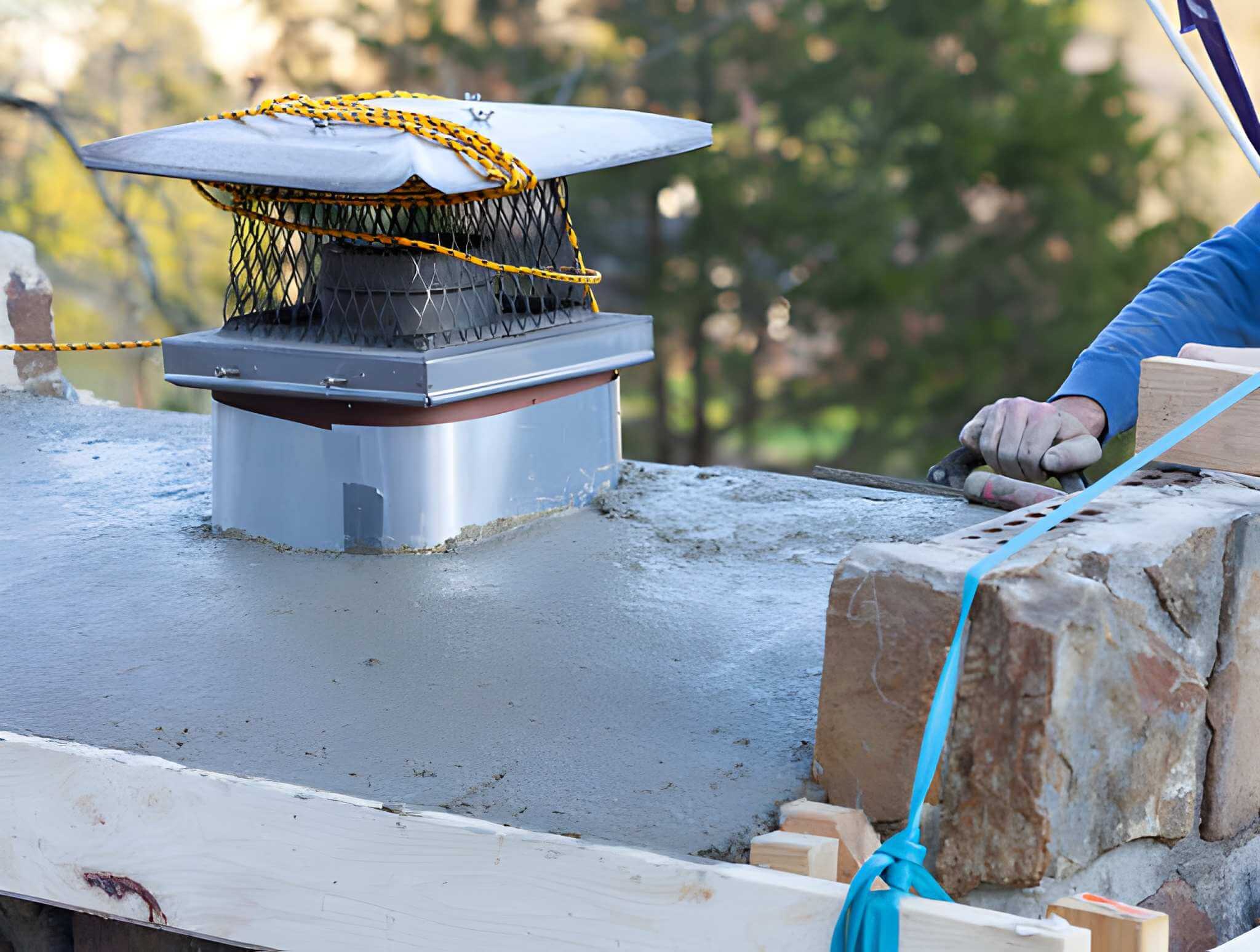
A chimney crown is one of the most important components of your chimney system. It serves as the topmost layer, protecting your chimney structure from water damage, cracks, and other environmental hazards. Our Chimney Expert Team compiles trusted home-safety guidelines to educate homeowners on proper chimney care. This article explains the role of a chimney crown, signs it may need repair or replacement, and how to maintain it safely.
Water, snow, and ice can quickly deteriorate an unprotected chimney. Without a crown, moisture can seep into the masonry, causing cracks and structural damage. A well-constructed chimney crown ensures your chimney remains durable, functional, and safe for long-term use.
What Is a Chimney Crown?
A chimney crown is a protective layer installed on top of the chimney. It is typically made from concrete, masonry, or metal, depending on the type of chimney and local climate conditions. The crown extends slightly beyond the edges of the chimney to direct rainwater away from the masonry walls.
Functions of a Chimney Crown
-
Water Protection: Prevents rain and melting snow from entering the chimney structure.
-
Structural Support: Protects the masonry from cracking due to freeze-thaw cycles.
-
Animal Deterrence: Helps prevent birds or small animals from nesting inside the flue.
-
Efficiency Maintenance: By keeping water out, it preserves proper airflow and draft in your chimney.
A damaged or poorly constructed crown can lead to costly repairs, including masonry replacement or chimney reconstruction. That’s why proper installation and maintenance are essential.
Signs Your Chimney Crown Needs Repair
Recognizing early warning signs helps prevent serious chimney issues. Look for the following indicators:
Cracks and Chips
Cracks in the crown allow water to penetrate the masonry, accelerating deterioration. Small cracks may appear first on the edges and widen over time.
Flaking or Spalling
If the surface of your chimney crown starts to flake or crumble, it is likely a sign of water damage or poor material quality.
Water Leaks or Staining
Water stains on the fireplace interior or around the chimney indicate moisture is seeping through. This often points to crown issues or damaged mortar joints.
Rust or Metal Deterioration
Metal chimney crowns can develop rust over time. If left untreated, rust weakens the crown and may affect the structural stability of your chimney.
Types of Chimney Crowns
Choosing the right type of chimney crown depends on your chimney material, climate, and personal preferences.
Concrete or Mortar Crowns
These are traditional crowns made from a mix of cement, sand, and sometimes additives for durability. They are cost-effective and commonly used on brick chimneys.
Metal Chimney Crowns
Metal crowns, usually made from stainless steel or aluminum, offer long-term durability and excellent water resistance. They are often used for chimneys that require replacement crowns or for modern designs.
Hybrid Crowns
Some crowns combine concrete and metal, using a metal cap over a concrete base. This option provides both structural support and enhanced water protection.
Chimney Crown Maintenance Tips
Regular maintenance helps extend the life of your chimney crown and prevents costly repairs.
Annual Inspection
Inspect your chimney crown at least once a year for cracks, rust, or signs of water damage. Early detection allows for minor repairs before issues worsen.
Keep the Crown Clean
Remove leaves, debris, and any moss or lichen that may accumulate. Debris can trap moisture and accelerate deterioration.
Sealant Application
Applying a water-repellent sealant can help protect a concrete crown. Use products specifically designed for masonry and follow manufacturer instructions.
Professional Checkups
Even if the crown looks fine, scheduling a professional inspection ensures hidden damage or potential hazards are identified.
Metal Chimney Crown Replacement
Replacing a metal chimney crown requires precise measurement and installation to ensure a tight fit and proper water diversion.
Steps Homeowners Should Know:
-
Measure the Chimney Top: Accurate measurements prevent gaps that can allow water or animals inside.
-
Select the Right Material: Stainless steel is durable, rust-resistant, and often preferred for long-term protection.
-
Installation Safety: Only attempt DIY replacement if comfortable with ladder and roof safety. Otherwise, consult a professional.
-
Check Fit and Seal: Ensure the crown is level and securely attached to the masonry to avoid leaks or wind damage.
A properly fitted metal crown reduces maintenance needs and prolongs chimney life.
Preventing Chimney Damage with a Crown
A chimney crown serves as the first line of defense for your chimney. By keeping water, debris, and animals out, it preserves the masonry, prevents leaks, and maintains proper airflow.
Regular inspections and maintenance, combined with timely repairs or replacement, help homeowners avoid expensive fixes. Always prioritize safety and consider professional services for installation or significant repairs.
Key Takeaways
-
Chimney crowns protect masonry from water damage, animals, and debris.
-
Cracks, flaking, water stains, and rust are warning signs of crown issues.
-
Types of crowns include concrete, metal, and hybrid designs.
-
Annual inspections, cleaning, and sealant applications prolong crown life.
-
Metal chimney crown replacement should ensure a tight, secure fit.
-
Consult licensed professionals for installation or major repairs.
A well-maintained chimney crown is essential for the safety, efficiency, and longevity of your fireplace and chimney system.
Final Thoughts
Our Chimney Expert Team compiles safety guidelines and research to help homeowners protect their chimneys. Understanding the importance of a chimney crown, recognizing warning signs, and maintaining it properly ensures your chimney remains safe, efficient, and long-lasting. A little preventative care today can save substantial repair costs tomorrow.
The Expert Chimney Team provides research-based guidance and practical tips on fireplaces, chimneys, and home safety. With 6 years of editorial experience, we help homeowners maintain safe, efficient, and well-functioning homes with clear, easy-to-understand advice. Read More
