
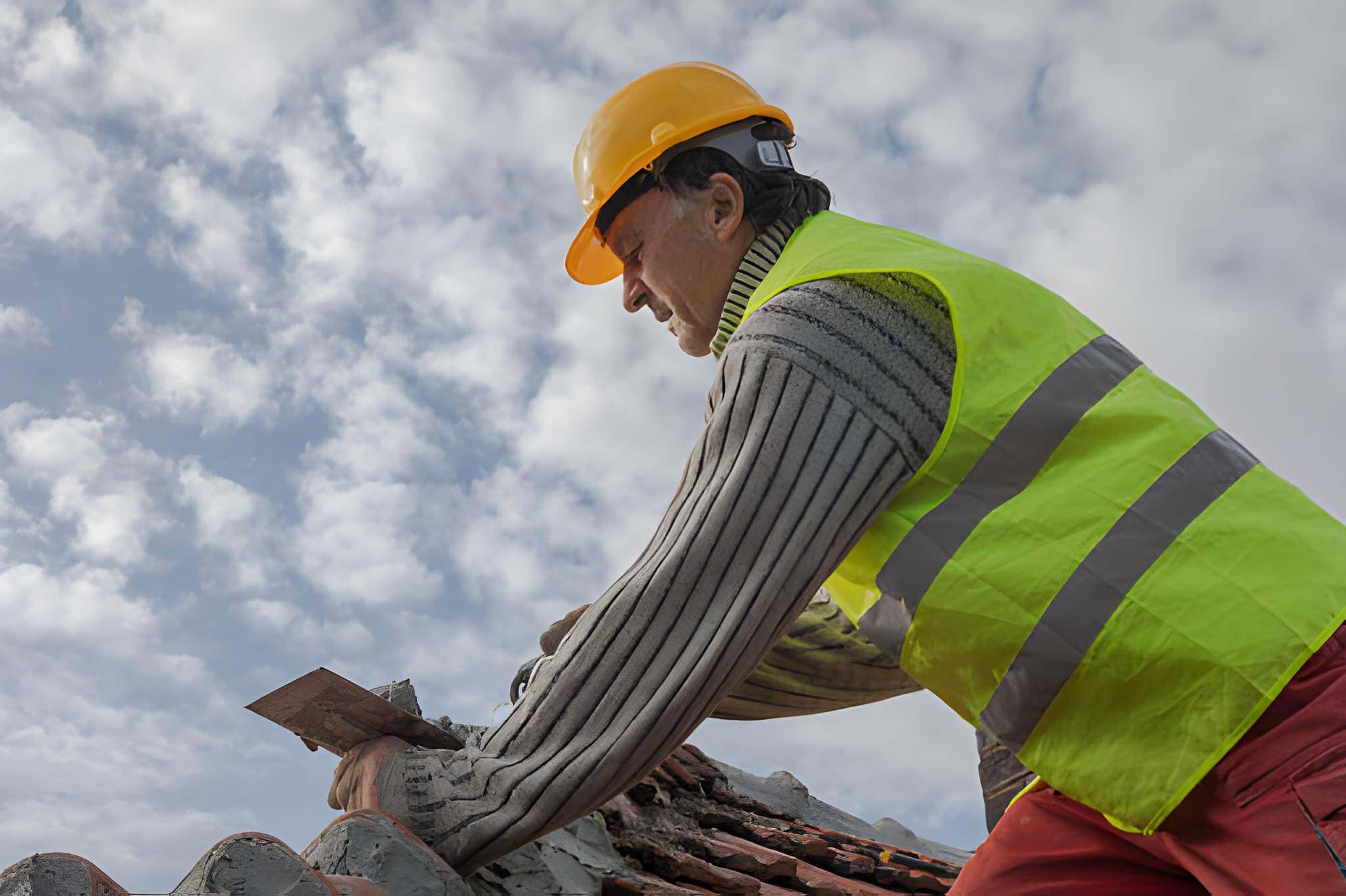
A chimney cover, also known as a chimney cap, plays a critical role in protecting your chimney and home from water, debris, and pests. Over time, covers can crack or deteriorate, making chimney cover repair necessary. The Expert Chimney Team provide clear, research-based guidance to help homeowners understand chimney safety and maintenance. We focus on education and do not provide repair services.
What Is Chimney Cover Repair?
Chimney cover repair involves fixing cracks, sealing gaps, or restoring damaged caps to protect the chimney from water, debris, and animals.
A chimney cover seals the top of the chimney, preventing water and debris from entering, while keeping animals out. Damage to the cover compromises the chimney’s protection, which can lead to serious problems over time.
-
A chimney cover is usually made of metal or concrete.
-
A cracked chimney cap allows water to seep in, leading to masonry damage.
-
Covers also prevent leaves, nests, and small animals from blocking the flue.
-
Repairs can include sealing cracks, replacing fasteners, or restoring the concrete surface.
Understanding the role of a chimney cover helps homeowners know why timely repair matters.
Why Chimney Covers Crack or Deteriorate
Chimney covers crack due to weather, temperature changes, and normal wear.
Exposed to rain, snow, sunlight, and extreme temperatures, covers undergo stress that eventually causes cracking or rusting.
-
Freeze-Thaw Cycles: Water in small cracks freezes and expands, enlarging gaps.
-
Sun Exposure: UV rays can weaken concrete or metal over time.
-
Water Damage: Continuous exposure accelerates erosion and corrosion.
-
Age: Covers naturally deteriorate over many years.
Knowing the causes helps homeowners identify potential issues before they worsen.
Signs You Need Chimney Cover Repair
Certain indicators suggest it’s time to repair a chimney cover or cap.
Identifying these signs early can prevent water damage, structural problems, and pest intrusion.
-
Visible cracks or broken edges in a concrete cap
-
Rusted or corroded metal covers
-
Water leaks around the chimney or inside the fireplace
-
Birds, squirrels, or debris inside the flue
-
Chimney inspections flaging cap damage
Early attention reduces long-term repair costs and preserves chimney function.
The Role of a Chimney Cap
A chimney cap protects the chimney structure and interior from water, debris, and animals.
Water is one of the main causes of chimney damage. A cap prevents water from entering and reduces freeze-thaw damage to masonry.
-
Prevents rain and snow from entering the flue
-
Stops animals like birds, squirrels, and raccoons from nesting
-
Reduces wind-driven debris from entering the chimney
-
Protects against sparks leaving the fireplace
-
Supports overall chimney longevity
A properly maintained cap is key to a safe, efficient chimney system.
Types of Chimney Cover Repairs
Repairs vary depending on the material and extent of damage.
Not all cracks or damage are the same; repair methods depend on severity and cap material.
-
Cracked Chimney Cap Repair: Concrete patches seal small cracks and prevent water intrusion.
-
Metal Cover Repair: Rusted areas can be cleaned and treated, and loose fasteners tightened.
-
Replacement Sections: Severely damaged caps may need partial replacement while preserving the original structure.
Understanding these repair types helps homeowners know what to expect during inspection or consultation.
DIY vs Professional Chimney Cap Repairs
Minor surface repairs may be possible, but most chimney cover repair should be handled by certified professionals.
Covers are exposed to heights, extreme weather, and heavy materials. Improper repair can worsen the damage or create safety hazards.
-
DIY Options: Small crack sealing using concrete patch or mortar
-
Professional Repairs: Complete crack repair, cap replacement, secure fastening, waterproofing
-
Safety Concerns: Working on roofs and handling heavy materials can be dangerous without training
Homeowners benefit most from knowing what repairs are possible and when to call an expert.
How Chimney Cover Repair Protects Your Home
Repairing a damaged chimney cover prevents water damage, masonry erosion, and interior leaks.
Water infiltration can damage chimney masonry, fireplace walls, and even ceilings in the home. A repaired cover keeps the system safe and efficient.
-
Water Protection: Seals cracks to prevent leaks into the flue or fireplace
-
Structural Safety: Reduces freeze-thaw damage in masonry
-
Pest Prevention: Keeps animals from nesting inside the chimney
-
Fire Safety: Helps prevent sparks from escaping the flue
A small repair today avoids much larger problems later.
Maintenance Tips to Avoid Chimney Cap Damage
Regular inspection and care extend the life of your chimney cover.
Routine checks catch minor cracks or rust before they develop into bigger problems.
-
Inspect annually for cracks, rust, or missing sections
-
Clean off leaves, nests, or debris
-
Ensure fasteners and mounting hardware are secure
-
Apply waterproof sealant to concrete caps if recommended
-
Schedule professional inspections every few years
Preventive maintenance reduces the frequency and cost of major repairs.
When a Chimney Cover Should Be Replaced
Some damage is too severe for patching or minor repair.
Severely cracked or rusted caps cannot provide adequate protection, and continued use can damage the chimney.
-
Large cracks or broken concrete sections
-
Rust that has weakened metal covers
-
Missing or severely warped caps
-
Caps that fail inspection standards
Replacement ensures the chimney system remains protected and functional.
Why Understanding Chimney Cover Repair Matters
Homeowners who understand chimney cover repair make safer and more cost-effective decisions.
Education helps prevent unsafe repairs, reduces property damage, and improves chimney longevity.
-
Knowledge of crack causes and repair methods
-
Awareness of DIY vs professional repair limitations
-
Understanding how cap health affects chimney safety
The Expert Chimney Team emphasizes research-based, clear information to empower homeowners to act responsibly.
Conclusion
Chimney cover repair is a vital part of chimney maintenance and safety.
Even small cracks or damage can lead to water infiltration, masonry deterioration, and pest problems. Timely repair protects the chimney, fireplace, and home interior.
By learning the signs of damage, repair options, and the role of professional inspection, homeowners can maintain a safe and efficient chimney system. On our website, we provide trusted guidance so you can make informed decisions about chimney care and maintenance.
A well-maintained chimney cover is a first step toward a long-lasting, safe chimney.
The Expert Chimney Team provides research-based guidance and practical tips on fireplaces, chimneys, and home safety. With 6 years of editorial experience, we help homeowners maintain safe, efficient, and well-functioning homes with clear, easy-to-understand advice. Read More
