
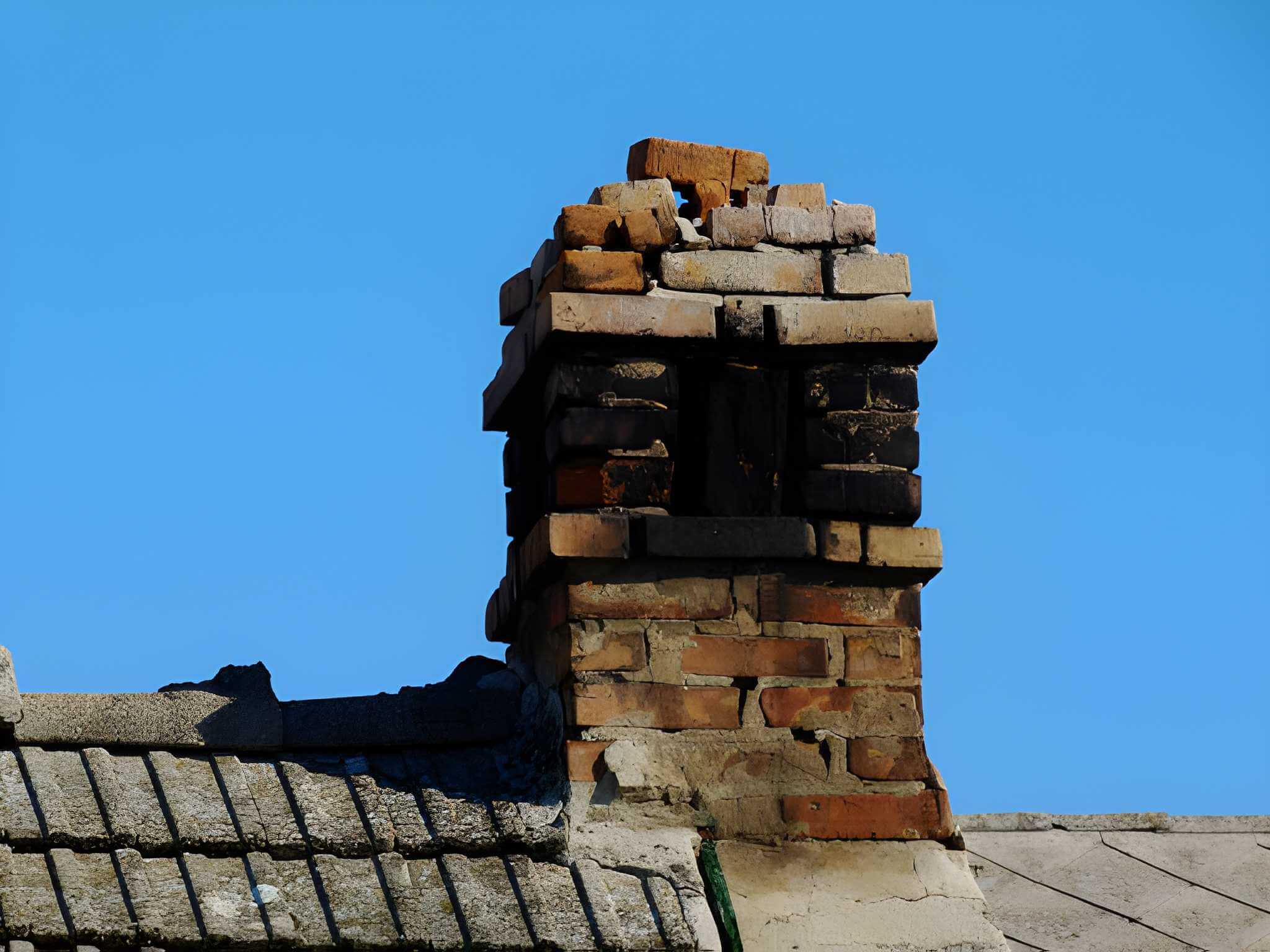
A cracked chimney can be alarming for homeowners. Even small cracks may lead to water damage, structural issues, or decreased efficiency. This guide explains clear, research-based guidance so you understand cracked chimneys, what causes them, and how chimney crack repair works. We focus on education and do not provide repair services.
What Is a Cracked Chimney?
A cracked chimney is a masonry or concrete chimney that has developed visible cracks in the structure or flue.
Cracks in a chimney may occur due to age, weather, heat, or settling of the house. Over time, even minor cracks can compromise the chimney’s safety and performance.
-
Chimney cracks may appear on the exterior walls, crown, or flue liner.
-
They can range from hairline cracks to larger gaps.
-
Cracks allow water to enter, potentially damaging masonry or the interior structure.
-
Chimney crack repair aims to restore structural integrity and prevent further damage.
Why Chimneys Develop Cracks
Chimneys crack because of weather, temperature changes, structural stress, and normal material aging.
Chimneys expand when heated and contract when cooled. Moisture and settling can exacerbate small weaknesses over time.
-
Freeze-Thaw Cycles: Water enters tiny cracks, freezes, and expands.
-
Heat Stress: Repeated heating from fires causes masonry to expand and contract.
-
Settling: Movement of the house foundation shifts the chimney.
-
Moisture Damage: Rain or snow penetration weakens masonry or mortar.
-
Age: Older chimneys are more prone to cracking.
Understanding the causes helps homeowners anticipate problems and take preventive action.
Signs You May Need Chimney Crack Repair
Certain visible signs indicate a chimney may require repair.
Early detection prevents minor cracks from becoming larger structural or safety problems.
-
Visible exterior cracks on chimney walls
-
Loose or missing mortar joints
-
Cracked chimney crown
-
Water leaks inside the fireplace
-
Smoke or odor entering living spaces
-
Inspection identifies internal flue liner cracks
Spotting these warning signs early allows for safer, more effective repair planning.
Types of Chimney Cracks
Not all chimney cracks are the same; repair approaches depend on the type and severity.
Different cracks have different risks. Hairline cracks may only need sealing, while structural cracks require more extensive repair.
-
Hairline Cracks: Minor surface cracks that rarely affect structure.
-
Expansion Cracks: Occur from heat cycles in masonry or concrete.
-
Structural Cracks: Wide or deep cracks indicating settling or foundation issues.
-
Crown Cracks: Damage at the top of the chimney exposes masonry to water.
Understanding the crack type informs whether you can fix a cracked chimney or require professional evaluation.
How Chimney Crack Repair Works
Chimney crack repair involves sealing cracks, restoring mortar, or reinforcing damaged masonry.
Repair prevents water intrusion, structural weakening, and potential fire hazards.
-
Hairline cracks: Filled with high-temperature sealant or mortar patch
-
Crown cracks: Repaired with concrete patch or crown repair material
-
Structural cracks: May require reinforcement, rebuilding, or professional consultation
-
Repairs maintain chimney stability and prevent further deterioration
We focuses on explaining the process, not performing the repair.
DIY vs Professional Chimney Crack Repair
Some minor cracks can be addressed by homeowners, but serious damage should be evaluated by certified professionals.
Safety is critical. Improper repairs may worsen damage or create fire and water hazards.
-
DIY: Small surface cracks can be sealed with approved patch materials
-
Professional Repair: Handles structural cracks, crown repair, or flue liner damage
-
Inspection First: Professionals identify hidden damage and ensure safe repair
Knowing when to DIY and when to call a professional helps protect your home.
The Role of Chimney Inspections
Inspections help determine whether cracks require patching or more extensive repair.
Not all cracks are visible externally. Some may exist inside the flue liner or masonry.
-
Level 1 or 2 chimney inspections identify hidden damage
-
Inspectors evaluate structural stability, moisture, and safety
-
Early inspection informs proper chimney crack repair strategy
Understanding inspection findings helps homeowners make informed decisions.
Benefits of Timely Chimney Crack Repair
Repairing cracks early prevents more extensive damage and safety risks.
Water infiltration, freeze-thaw damage, and structural weakness escalate if cracks are ignored.
-
Protects chimney masonry and mortar
-
Prevents water from entering living spaces
-
Maintains a safe draft for the fireplace or stove
-
Reduces long-term repair costs
-
Supports overall chimney longevity
Proactive repair is safer and more cost-effective than delayed action.
Maintenance Tips to Avoid Cracks
Routine chimney care reduces the risk of cracks developing or worsening.
Preventive maintenance ensures small issues are caught before becoming major problems.
-
Annual chimney inspection
-
Keep the chimney cap in good condition
-
Clear debris and water from the flue
-
Avoid burning materials that generate excessive heat
-
Monitor for early signs of cracks or mortar erosion
Regular maintenance supports a long-lasting, safe chimney.
Cracked Chimney and Safety Considerations
Cracks compromise chimney safety, including fire and carbon monoxide risks.
Damaged masonry allows heat and gases to escape, creating potential hazards for the home.
-
Water penetration can weaken masonry or mortar
-
Flue liner cracks may allow smoke or gases into living spaces
-
Structural cracks can lead to chimney instability
Understanding these risks emphasizes the importance of timely chimney crack repair.
Conclusion
A cracked chimney should never be ignored. Proper repair protects your home from water damage, structural issues, and safety hazards.
Even small cracks can worsen over time. Understanding the types of cracks, repair options, and maintenance steps helps homeowners act responsibly.
Our goal is to educate homeowners on how to fix a cracked chimney safely, when inspections are needed, and how regular maintenance prevents major problems. With clear, research-based guidance, homeowners can make informed decisions to protect their chimney and home.
A safe chimney begins with a well-maintained structure.
The Expert Chimney Team provides research-based guidance and practical tips on fireplaces, chimneys, and home safety. With 6 years of editorial experience, we help homeowners maintain safe, efficient, and well-functioning homes with clear, easy-to-understand advice. Read More
