
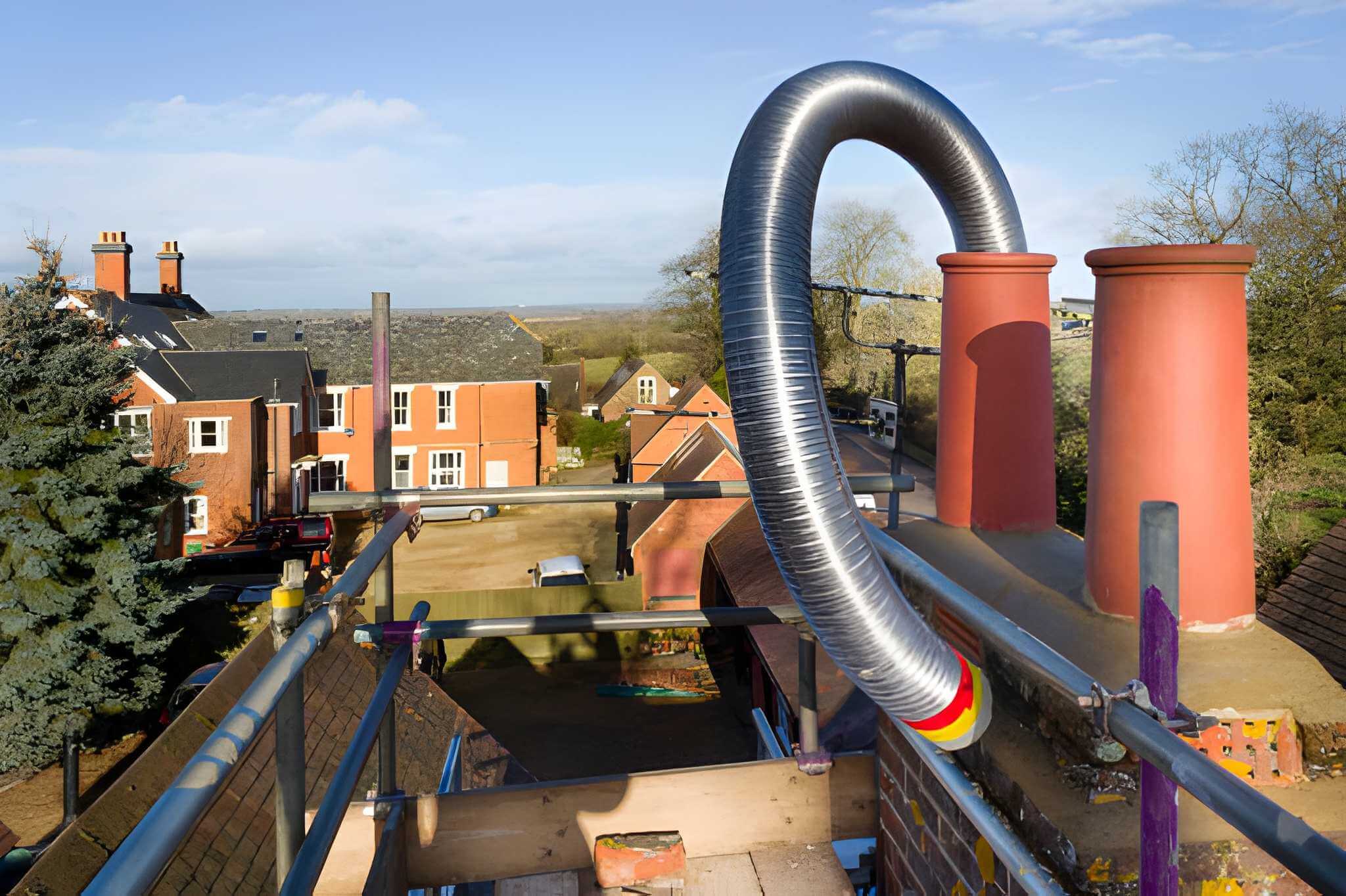
A chimney liner is a critical part of a safe and efficient chimney system. Over time, liners may crack, deteriorate, or become damaged, making chimney liner repair essential to prevent hazards like heat transfer, fire, or smoke leakage. This guide focuses on educating homeowners about chimney safety, maintenance, and repair processes. We provide clear guidance but do not perform repairs ourselves.
What Is Chimney Liner Repair?
Chimney liner repair involves fixing cracks, gaps, or other damage in the liner to restore proper airflow and safety.
The liner protects the chimney walls and home from heat and combustion gases. Damage can compromise safety, efficiency, and the structural integrity of the chimney.
-
A chimney liner is a tube inside the chimney that guides smoke and gases out of the home safely.
-
Damage may occur in clay, metal, or heat shield liners.
-
Chimney flue repair and flue repair are often terms used interchangeably, as the liner forms the flue.
-
Repairs can include sealing cracks, patching damaged sections, or complete chimney liner replacement.
Why Chimney Liners Need Repair
Liners deteriorate over time due to heat, corrosion, moisture, and normal wear.
Repeated exposure to high temperatures and moisture weakens liner materials, creating gaps or cracks that can let heat or gases escape.
-
Clay liners: Can crack from heat expansion and contraction
-
Metal liners: May rust or corrode over time
-
Heat shield liners: Protect surrounding masonry, but can become damaged or misaligned
-
Improper installation: Can stress the liner or cause leaks
-
Age: Older liners are more prone to failure
Recognizing these causes helps homeowners understand when fixing a chimney flue is necessary.
Signs You May Need Chimney Liner Repair
Warning signs indicate when a chimney liner may need repair or replacement.
Early detection prevents hazards such as fire, smoke damage, or carbon monoxide exposure.
-
Cracks or gaps in clay or metal liners
-
Rust or corrosion on metal or heat shield liners
-
Smoke entering the home while the fireplace is in use
-
Reduced draft or slow smoke exit
-
Inspection reports flagging liner deterioration
-
Visible flue damage or missing sections
Identifying these signs helps prioritize repairs safely.
Types of Chimney Liner Repairs
The type of repair depends on the liner material, extent of damage, and purpose of the repair.
Different liners have specific safety considerations, so repair methods must match the damage.
-
Sealing cracks with chimney flue sealant: Suitable for minor gaps or surface damage
-
Heat shield chimney repair: Involves patching or realigning metal liners designed to protect masonry from heat
-
Section replacement: Damaged sections of clay, metal, or heat shield liners may need partial or full replacement
-
Flue relining: Installing a new liner inside an existing flue when damage is extensive
-
Fixing a chimney flue: General term for repairing leaks, cracks, or alignment issues
Understanding the repair type helps homeowners ask informed questions during inspections.
DIY vs Professional Chimney Liner Repair
Most chimney liner repairs should be handled by certified professionals.
Improper repair may compromise safety, cause further damage, or void insurance coverage.
-
DIY options: Limited to inspecting liners, minor surface sealing, or cleaning
-
Professional repair: Handles full liner replacement, heat shield realignment, and flue relining
-
Safety concerns: Working with flue liners and heat shield materials can be hazardous without experience
Education helps homeowners know the limits of DIY work and when professional evaluation is needed.
The Role of Heat Shield Chimney Liners
Heat shield chimney liners protect masonry from extreme heat while guiding smoke and gases safely.
Damaged heat shield liners reduce the chimney’s safety and can allow heat to reach combustible materials.
-
Heat shield chimney repair restores the protective barrier
-
Prevents fire hazards and heat transfer to surrounding walls
-
Helps maintain proper draft and flue function
-
Works in combination with standard liners to ensure overall chimney safety
Understanding heat shield liners clarifies why timely repair is critical.
How Chimney Liner Repair Supports Safety
Repairing liners prevents heat and gas escape, reducing fire and carbon monoxide hazards.
A damaged liner can compromise both the chimney structure and indoor safety, making repair essential.
-
Protects home from fire caused by overheated masonry
-
Keeps carbon monoxide and smoke contained within the flue
-
Maintains structural integrity of the chimney
-
Supports safe fireplace or stove operation
Proper liner care is a fundamental part of responsible chimney maintenance.
Maintenance Tips for Chimney Liners
Routine inspections and preventive maintenance extend the life of liners.
Early detection and proper care reduce repair frequency and safety risks.
-
Inspect liners annually for cracks, corrosion, or misalignment
-
Clean the flue to remove creosote or soot buildup
-
Ensure proper sealing and alignment of heat shield liners
-
Replace damaged liners promptly
-
Schedule professional inspection for safety compliance
Preventive care keeps the chimney safe and reduces long-term costs.
When a Chimney Liner Needs Replacement
Replacement is necessary when damage is extensive or the liner cannot be safely repaired.
Severely cracked, corroded, or misaligned liners can no longer protect the home or support safe operation.
-
Cracks too large for sealants
-
Corrosion on metal liners
-
Warped or missing heat shield liners
-
Deteriorated clay liners with structural compromise
Replacement restores full protection and ensures long-term chimney safety.
Conclusion
Chimney liner repair is critical for maintaining safe, efficient, and durable chimney systems.
Ignoring liner damage can lead to fire hazards, smoke infiltration, or structural failure. Understanding repair types, signs of damage, and preventive maintenance empowers homeowners to protect their homes.
Our goal is to provide clear, research-based guidance on chimney liner repair, including chimney flue repair, heat shield liners, and flue sealing. By understanding the role of liners and repair strategies, homeowners can make informed, safe decisions.
A safe chimney always begins with a properly functioning liner.
The Expert Chimney Team provides research-based guidance and practical tips on fireplaces, chimneys, and home safety. With 6 years of editorial experience, we help homeowners maintain safe, efficient, and well-functioning homes with clear, easy-to-understand advice. Read More
