
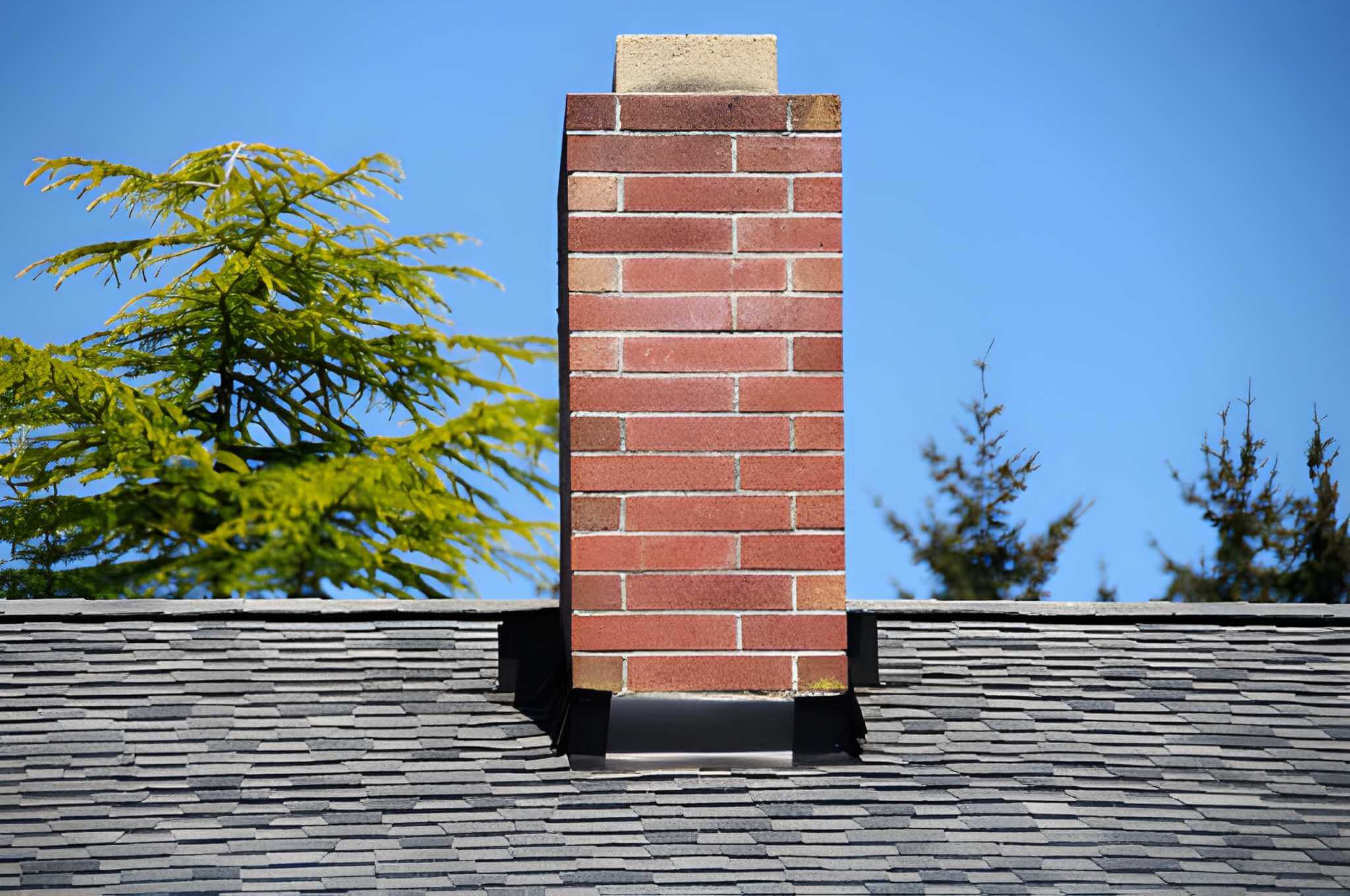
Chimney mortar is the material that holds bricks and masonry together in a chimney. Over time, mortar can crack, erode, or deteriorate, making chimney mortar repair essential for chimney safety and longevity. Our team focuses on educating homeowners about chimney maintenance, including how to fix chimney mortar, choose the right mix, and maintain a safe chimney structure.
What Is Chimney Mortar?
Chimney mortar is a mixture of cement, lime, and sand used to bind bricks and masonry units together in chimneys.
Mortar provides structural support and seals gaps between bricks, ensuring stability and protection against water, heat, and debris.
-
Chimney mortar fills joints between bricks, preventing shifting or collapse
-
It creates a barrier against water infiltration and weather damage
-
Proper mortar maintains the chimney’s shape and ensures safe operation
-
Mortar can be cement-based, lime-based, or a mix designed for high-temperature use
Why Chimney Mortar Needs Repair
Mortar deteriorates over time due to heat, moisture, and environmental exposure, necessitating repair.
Cracked or eroded mortar can weaken the chimney structure, allowing water penetration and reducing safety.
-
Freeze-thaw cycles: Water entering cracks freezes and expands, enlarging gaps
-
High heat exposure: Fireplaces and stoves cause mortar to dry out and crack
-
Rain and snow: Moisture erodes old mortar, leading to gaps
-
Age: Older chimneys naturally experience mortar degradation
Early repair prevents larger, more expensive problems.
Signs You May Need Chimney Mortar Repair
Visible cracks, gaps, or loose bricks indicate the need for mortar repair.
Detecting mortar deterioration early helps prevent structural issues and water damage.
-
Crumbling or missing mortar between bricks
-
Loose or shifting bricks
-
Spalling (flaking) masonry
-
Water leakage into the chimney or fireplace
-
Dark stains indicating moisture penetration
Recognizing these signs allows for timely intervention.
Types of Chimney Mortar Repair
Mortar repair can range from minor touch-ups to complete repointing.
The repair method depends on the damage severity and chimney structure.
-
Pointing or Repointing: Removing damaged mortar and replacing it with fresh mortar
-
Patching: Filling small cracks with a suitable mortar mix or chimney repair cement
-
Full Rebuild: Necessary if large sections of mortar and bricks are compromised
-
Top or Crown Repair: Replacing deteriorated mortar on the chimney crown
Using the best mortar for chimney repair ensures long-lasting results.
How to Fix Chimney Mortar
Repairing mortar involves removing damaged material and applying new mortar with proper technique.
Proper application restores structural integrity, prevents water infiltration, and ensures safety.
-
Remove loose or deteriorated mortar to a depth of about ¾ inch
-
Clean the joints and surrounding bricks
-
Prepare a chimney mortar mix suited for high-temperature and outdoor conditions
-
Apply mortar evenly with a trowel, filling gaps and smoothing the surface
-
Allow adequate curing time for strength and durability
Proper technique avoids uneven surfaces or future cracking.
DIY vs Professional Chimney Mortar Repair
Some minor repairs can be done by homeowners, but large-scale or structural repairs require professional evaluation.
Incorrect mortar repair can compromise chimney stability, create leaks, or pose safety hazards.
-
DIY: Small cracks, minor pointing, or surface patching
-
Professional: Extensive joint deterioration, crown repair, or full repointing
-
Safety: Working on elevated chimneys and handling cement requires caution
Knowing limits ensures repairs are effective and safe.
Choosing the Right Mortar for Chimney Repair
Selecting the correct mortar mix is crucial for durability and chimney performance.
High-temperature and weather-resistant mortar prevents premature cracking and structural failure.
-
High-heat mortar: Ideal for areas near the fireplace or stove
-
Chimney repair cement: Quick-setting and durable for exposed areas
-
Polymer-modified mortar: Flexible, reducing cracking risk
-
Brick and masonry compatibility: Ensures proper adhesion and expansion
-
Using the best mortar for chimney repair extends chimney lifespan
Selecting the right mix reduces future maintenance needs.
Maintenance Tips for Chimney Mortar
Routine inspection and minor repairs prevent major structural issues.
Preventive maintenance ensures long-lasting mortar and a safe chimney.
-
Inspect mortar joints annually for cracks or erosion
-
Repoint or patch minor damage promptly
-
Keep the chimney crown and flue protected from water
-
Clean debris to avoid moisture accumulation
-
Schedule professional inspection every few years for comprehensive assessment
Regular maintenance saves money and protects chimney integrity.
Safety Considerations for Chimney Mortar Repair
Mortar repair must be done carefully to prevent accidents and ensure structural safety.
Loose bricks or improper mortar application can cause falls, fire hazards, or chimney collapse.
-
Work safely on ladders or scaffolding
-
Wear protective gloves and eyewear
-
Use proper tools and high-temperature mortar
-
Avoid DIY for large-scale repairs or crown reconstruction
Safety is essential for any chimney repair project.
Conclusion
Chimney mortar repair is vital for maintaining a safe, stable, and durable chimney.
Regular inspection, timely repair, and using the right mortar mix prevent structural failure, water damage, and safety hazards.
Our goal is to educate homeowners on how to fix chimney mortar, choose the right chimney mortar mix, and perform safe repairs. Understanding mortar repair methods, signs of deterioration, and preventive maintenance empowers homeowners to keep their chimneys in excellent condition.
A well-maintained mortar ensures a safe, efficient, and long-lasting chimney.
The Expert Chimney Team provides research-based guidance and practical tips on fireplaces, chimneys, and home safety. With 6 years of editorial experience, we help homeowners maintain safe, efficient, and well-functioning homes with clear, easy-to-understand advice. Read More
