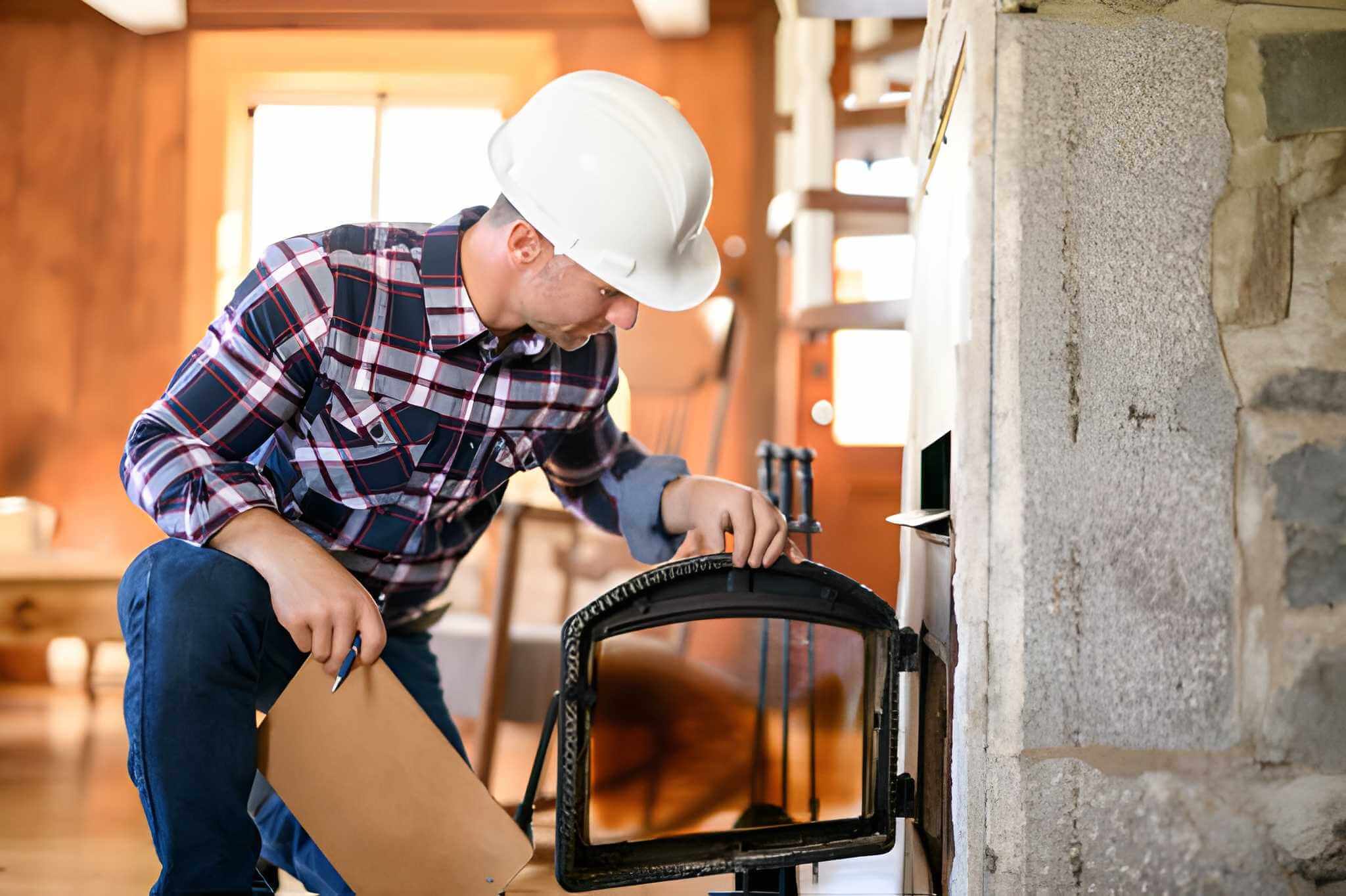
A fireplace chimney inspection is one of the most important steps in keeping a home safe. Many chimney problems are hidden. They cannot be seen from the living room or the roof. That is why inspections matter so much.
In this guide, we explain fireplace chimney inspection clearly and simply. We cover inspection levels, safety checks, gas fireplace inspections, and NFPA 211 Level 2 inspections. This content is educational only. We do not provide chimney services.
What Is a Fireplace Chimney Inspection?
A fireplace chimney inspection is a structured safety check of the chimney system. Its goal is to identify fire risks, blockages, damage, or wear before they cause serious problems.
A proper inspection looks at:
-
The fireplace
-
The chimney flue
-
The liner
-
The chimney structure
-
Connected systems like furnaces or gas appliances
The inspection level depends on chimney condition, usage, and history.
Why Fireplace Chimney Inspections Matter
From our editorial research and safety reviews, most chimney fires and carbon monoxide issues happen because problems go unnoticed.
Here is why inspections are essential:
-
Creosote buildup is flammable
-
Cracks can leak smoke or gases
-
Blockages restrict airflow
-
Hidden liner damage increases fire risk
-
Gas fireplaces still produce harmful exhaust
Chimney issues often develop slowly. By the time smoke backs up or odors appear, damage may already exist.
Regular inspections help homeowners:
-
Reduce fire risk
-
Improve chimney efficiency
-
Extend chimney lifespan
-
Make informed repair decisions
How Fireplace Chimney Inspections Work
What Is Included in a Chimney Safety Inspection?
A chimney safety inspection focuses on system integrity and fire prevention. It checks whether the chimney safely vents smoke and gases out of the home.
Common inspection areas include:
-
Chimney flue condition
-
Liner integrity
-
Soot and creosote levels
-
Masonry condition
-
Chimney cap and crown
-
Clearance from combustibles
This applies to both wood-burning and gas fireplaces.
Clean and Inspect Chimney: Why Both Matter Together
Many homeowners ask about clean and inspect chimney services. Cleaning and inspection work together but are not the same.
-
Cleaning removes soot and creosote
-
Inspection checks for damage and safety issues
A chimney can be clean but still unsafe. Cracks, liner gaps, or structural shifts cannot be fixed by cleaning alone.
That is why safety standards recommend inspection even when cleaning is performed.
Chimney Flue Inspection Explained
A chimney flue inspection focuses on the inner passage that carries smoke and gases outside.
The flue inspection checks:
-
Cracks or gaps
-
Creosote thickness
-
Blockages
-
Flue liner alignment
-
Corrosion (common in gas systems)
Flue problems are a leading cause of chimney fires and carbon monoxide leaks.
Fireplace Clean and Inspection: What Homeowners Should Know
A fireplace clean and inspection typically involves:
-
Firebox check
-
Smoke chamber review
-
Damper operation
-
Visible flue assessment
This is common for routine maintenance when no major changes have occurred.
However, deeper issues may require advanced inspection levels.
Comprehensive Chimney Inspection: When Is It Needed?
A comprehensive chimney inspection goes beyond basic checks. It is recommended when:
-
A new appliance is installed
-
The home is sold or purchased
-
A chimney fire has occurred
-
Damage is suspected
-
Usage changes (wood to gas)
This inspection reviews all accessible and concealed areas.
Understanding Chimney Inspection Levels
Chimney inspections are defined by industry safety standards, including NFPA 211.
Level 1 Chimney Inspection
A Level 1 inspection is the most basic.
It applies when:
-
No changes were made
-
No problems are suspected
-
The chimney is used regularly
Includes:
-
Visual checks
-
Readily accessible areas
-
No special tools
Level 2 Chimney Inspection
A Level 2 chimney inspection is more detailed and is often misunderstood.
It is required when:
-
A home is sold
-
A chimney fire occurs
-
A new liner or appliance is added
-
Structural changes happen
A Level 2 inspection includes:
-
Video flue inspection
-
Attic and crawlspace review
-
Clearance verification
-
Deeper liner evaluation
You may see this called:
-
Level II chimney inspection
-
Level two chimney inspection
-
Level 2 fireplace inspection
These terms mean the same thing.
NFPA 211 Level 2 Inspection Explained
An NFPA 211 Level 2 inspection follows nationally recognized safety guidelines.
It focuses on:
-
Fire safety
-
Structural integrity
-
Hidden defects
This level is strongly recommended after any event that could affect chimney safety.
Level 2 Fireplace Inspection vs Level 1
The key difference is depth and visibility.
-
Level 1: Visual and accessible
-
Level 2: Visual + internal camera + surrounding areas
From a safety perspective, Level 2 inspections reveal problems Level 1 cannot detect.
Furnace and Chimney Inspection: Shared Venting Risks
A furnace and chimney inspection is critical when appliances share a vent.
Shared chimneys can cause:
-
Backdrafting
-
Carbon monoxide buildup
-
Moisture damage
-
Liner corrosion
Inspections ensure both systems vent properly without interfering with each other.
Gas Chimney Inspection: Why It Still Matters
Many homeowners believe gas fireplaces do not need inspection. This is incorrect.
A gas chimney inspection checks for:
-
Corrosion
-
Disconnected flue pipes
-
Improper draft
-
Blocked exhaust
-
Condensation damage
Gas produces carbon monoxide. Poor venting can be life-threatening.
Chimney Inspection for Gas Fireplace Systems
A chimney inspection for gas fireplace systems focuses on:
-
Flue sizing
-
Vent material condition
-
Appliance connections
-
Draft performance
Gas systems often hide damage because soot buildup is minimal.
Fireplace Chimney Inspection Frequency
Based on safety guidance:
-
Annual inspection is recommended
-
More frequent checks if heavily used
-
Mandatory inspection after fires or modifications
Regular use does not equal safe use.
Signs You May Need an Inspection Soon
Look for these warning signs:
-
Smoke entering the room
-
Strong odors
-
Cracked masonry
-
White staining (efflorescence)
-
Rusted components
-
Poor fireplace draft
Even without signs, inspections are still recommended.
Common Problems Found During Inspections
Our research shows inspections often uncover:
-
Cracked flue liners
-
Excess creosote
-
Missing mortar joints
-
Improper clearances
-
Blocked caps
-
Moisture intrusion
Most of these issues worsen over time if ignored.
What a Chimney Inspection Does NOT Do
It is important to understand limits.
A chimney inspection:
-
Does not repair damage
-
Does not guarantee future safety
-
Does not replace proper use habits
It provides information so homeowners can act wisely.
How Inspections Support Chimney Longevity
Inspections help:
-
Identify small issues early
-
Reduce long-term repair costs
-
Prevent structural failures
-
Maintain safe airflow
This makes inspections a preventive safety tool, not just a checklist.
Frequently Asked Questions (FAQs)
1. What is a fireplace chimney inspection?
A fireplace chimney inspection is a safety check of the chimney system. It looks for blockages, creosote buildup, cracks, and venting problems that could cause fires or carbon monoxide issues.
2. How often should a fireplace chimney be inspected?
A fireplace chimney should be inspected once every year, even if it is used only a few times. Annual inspections help catch hidden problems early.
3. What is the difference between a Level 1 and a Level 2 chimney inspection?
A Level 1 inspection is a basic visual check. A Level 2 chimney inspection includes internal flue video scanning and checks hidden areas. Level 2 is required after a chimney fire, home sale, or system change.
4. Do gas fireplaces need chimney inspections?
Yes. Gas fireplaces still produce harmful exhaust gases. A gas chimney inspection checks for corrosion, poor draft, and blocked vents that could lead to carbon monoxide exposure.
5. Does a chimney inspection include cleaning or repairs?
No. A chimney inspection only identifies safety issues. Cleaning and repairs are separate steps that may be recommended based on inspection findings.
Final Thoughts: Fireplace Chimney Inspection Is a Safety Step
A fireplace chimney inspection protects your home, your family, and your investment.
Whether it is:
-
A basic chimney safety inspection
-
A Level 2 fireplace inspection
-
A gas chimney inspection
-
A comprehensive chimney inspection
Each serves a clear purpose.
Understanding inspection types helps you choose the right level at the right time.
Chimney safety starts with knowledge—and inspections are the foundation of that knowledge.
The Expert Chimney Team provides research-based guidance and practical tips on fireplaces, chimneys, and home safety. With 6 years of editorial experience, we help homeowners maintain safe, efficient, and well-functioning homes with clear, easy-to-understand advice. Read More
