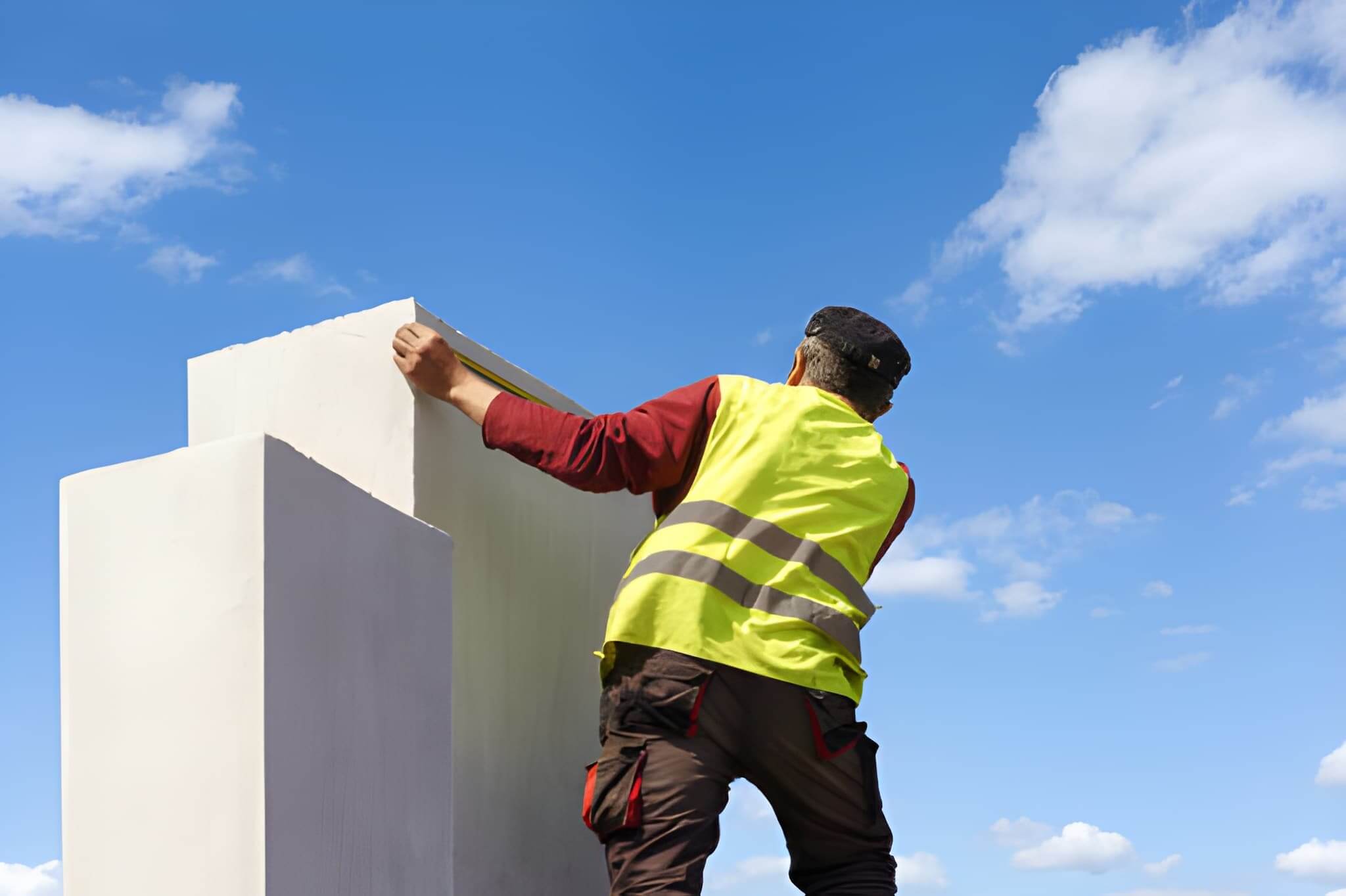
A Level 1 chimney inspection is the most basic and common type of chimney safety check. It is designed for chimneys that are used regularly and have no known problems. Even though it is the simplest inspection level, it plays a critical role in preventing chimney fires and safety hazards.
In this guide, we clearly explain what a Level 1 chimney inspection is, what it includes, how much it may cost, and when it is appropriate. This content is educational only. We do not provide chimney inspection services.
What Is a Level 1 Chimney Inspection?
A Level 1 chimney inspection is a visual inspection of the readily accessible parts of the chimney system. It checks whether the chimney appears safe for continued use under the same conditions as before.
This inspection level applies when:
-
The chimney system has not changed
-
No damage is suspected
-
The appliance and fuel type are the same
-
The chimney has been operating normally
It is the minimum inspection recommended for routine chimney use.
Why Level 1 Chimney Inspections Matter
From a safety perspective, many chimney problems begin small. Cracks, creosote buildup, and minor blockages may not be obvious to homeowners.
A Level 1 inspection helps:
-
Identify visible safety issues early
-
Reduce chimney fire risk
-
Confirm the chimney is suitable for continued use
-
Support proper maintenance decisions
While it does not detect hidden defects, it establishes a safety baseline.
What a Level 1 Chimney Inspection Includes
Areas Reviewed During a Level 1 Inspection
A chimney inspection Level 1 focuses on components that can be visually accessed without special tools.
Typical inspection areas include:
-
Fireplace or appliance exterior
-
Firebox condition
-
Chimney flue opening
-
Damper operation
-
Smoke chamber (visible portions)
-
Chimney exterior above the roofline
-
Chimney cap and crown (visible condition)
No internal cameras or dismantling are involved.
NFPA Level 1 Chimney Inspection Explained
The NFPA Level 1 chimney inspection follows guidelines outlined in NFPA 211, a widely recognized fire safety standard.
According to these guidelines, a Level 1 inspection is appropriate when:
-
The chimney has been used regularly
-
No changes or incidents have occurred
-
The system appears to be operating as designed
This standard helps ensure consistent safety practices.
What a Level 1 Chimney Inspection Does Not Include
It is important to understand the limits.
A Level 1 inspection:
-
Does not include video flue scanning
-
Does not check hidden areas like attics or crawlspaces
-
Does not confirm internal liner integrity
-
Does not include cleaning or repairs
If risks or changes are present, a higher inspection level is required.
Level 1 Chimney Inspection Checklist
Below is a simple Level 1 chimney inspection checklist used for educational understanding:
-
Visual check of the fireplace opening
-
Visible flue condition review
-
Damper opens and closes properly
-
Signs of soot or creosote buildup
-
Exterior masonry condition
-
Chimney cap present and intact
-
No obvious blockages
-
No visible cracks or loose components
This checklist supports routine safety awareness.
Chimney Inspection Level 1 Cost: What to Expect
Many homeowners ask about the chimney inspection Level 1 cost. While prices vary by location and region, Level 1 inspections are typically the least expensive option.
Factors that influence cost include:
-
Chimney height
-
Roof access
-
Geographic location
-
Inspection scope
Because no special tools are used, Level 1 inspections usually cost less than advanced inspections.
Level 1 Chimney Inspection Cost vs Other Levels
Compared to other inspection levels:
-
Level 1: Basic visual inspection
-
Level 2: Includes internal video scanning
-
Level 3: Requires dismantling parts of the structure
A Level 1 inspection is cost-effective for routine use but limited in depth.
When a Level 1 Chimney Inspection Is Appropriate
A Level 1 inspection is suitable when:
-
The chimney is used under the same conditions
-
No new appliance was added
-
No chimney fire occurred
-
No damage is suspected
-
The home has not been sold recently
This makes it ideal for annual maintenance.
When a Level 1 Inspection Is NOT Enough
A Level 1 inspection is not recommended when:
-
Buying or selling a home
-
After a chimney fire
-
After installing a new appliance
-
After changing fuel type
-
When damage is suspected
In these cases, safety standards recommend a higher inspection level.
Level 1 Chimney Inspection Service: What Homeowners Should Know
A Level 1 chimney inspection service is often offered as part of routine maintenance. Homeowners should understand exactly what is included.
Key points:
-
It is visual only
-
It confirms visible safety
-
It does not rule out hidden issues
-
It should follow NFPA 211 guidance
Clarity helps prevent misunderstandings.
Common Issues Found During Level 1 Inspections
Even with its limits, Level 1 inspections often identify:
-
Excess creosote buildup
-
Damaged chimney caps
-
Cracked mortar joints
-
Blocked flue openings
-
Rusted dampers
These findings can help prevent larger problems.
Level 1 Chimney Inspection and Fire Prevention
Creosote buildup is one of the most common chimney fire causes. A Level 1 inspection helps identify visible creosote before it becomes dangerous.
Fire prevention benefits include:
-
Early detection
-
Improved airflow
-
Reduced ignition risk
Routine inspection supports safer fireplace use.
How Level 1 Inspections Support Chimney Maintenance
A Level 1 inspection helps homeowners:
-
Track chimney condition over time
-
Plan future maintenance
-
Decide when deeper inspections are needed
-
Maintain safe usage habits
It is part of a long-term chimney care strategy.
Limitations Every Homeowner Should Understand
We emphasize this clearly:
A Level 1 chimney inspection does not guarantee the chimney is free of hidden defects.
Hidden issues may include:
-
Internal liner cracks
-
Concealed blockages
-
Structural separation
-
Moisture damage inside the walls
Only higher inspection levels address these risks.
Frequently Asked Questions:
1. What is a Level 1 chimney inspection?
A Level 1 chimney inspection is a basic visual safety check of the chimney system. It looks at accessible areas to confirm the chimney appears safe for continued use under the same conditions.
2. When is a Level 1 chimney inspection recommended?
A Level 1 inspection is recommended when the chimney has not been changed, no damage is suspected, and the fireplace or appliance is used the same way as before. It is commonly done as part of annual maintenance.
3. What does a Level 1 chimney inspection include?
It includes a visual review of the fireplace opening, visible flue, damper, chimney exterior, cap, and crown. No internal cameras or hidden areas are checked.
4. How much does a Level 1 chimney inspection cost?
Level 1 chimney inspection cost varies by location and chimney height, but it is usually the least expensive inspection type because it does not require special tools or advanced testing.
5. Is a Level 1 chimney inspection enough after a chimney fire or home sale?
No. After a chimney fire, home sale, or system change, safety standards recommend a Level 2 chimney inspection because it checks hidden areas that a Level 1 inspection cannot reach.
Final Thoughts:
A Level 1 chimney inspection is a smart starting point for routine chimney safety. It is affordable, simple, and useful for ongoing maintenance.
However:
-
It has limits
-
It cannot detect hidden damage
-
It should not be used when risks exist
Understanding when a Level 1 inspection is appropriate helps homeowners make safer, informed decisions.
Chimney safety begins with knowledge—and Level 1 inspections are the foundation of that knowledge.
The Expert Chimney Team provides research-based guidance and practical tips on fireplaces, chimneys, and home safety. With 6 years of editorial experience, we help homeowners maintain safe, efficient, and well-functioning homes with clear, easy-to-understand advice. Read More
