
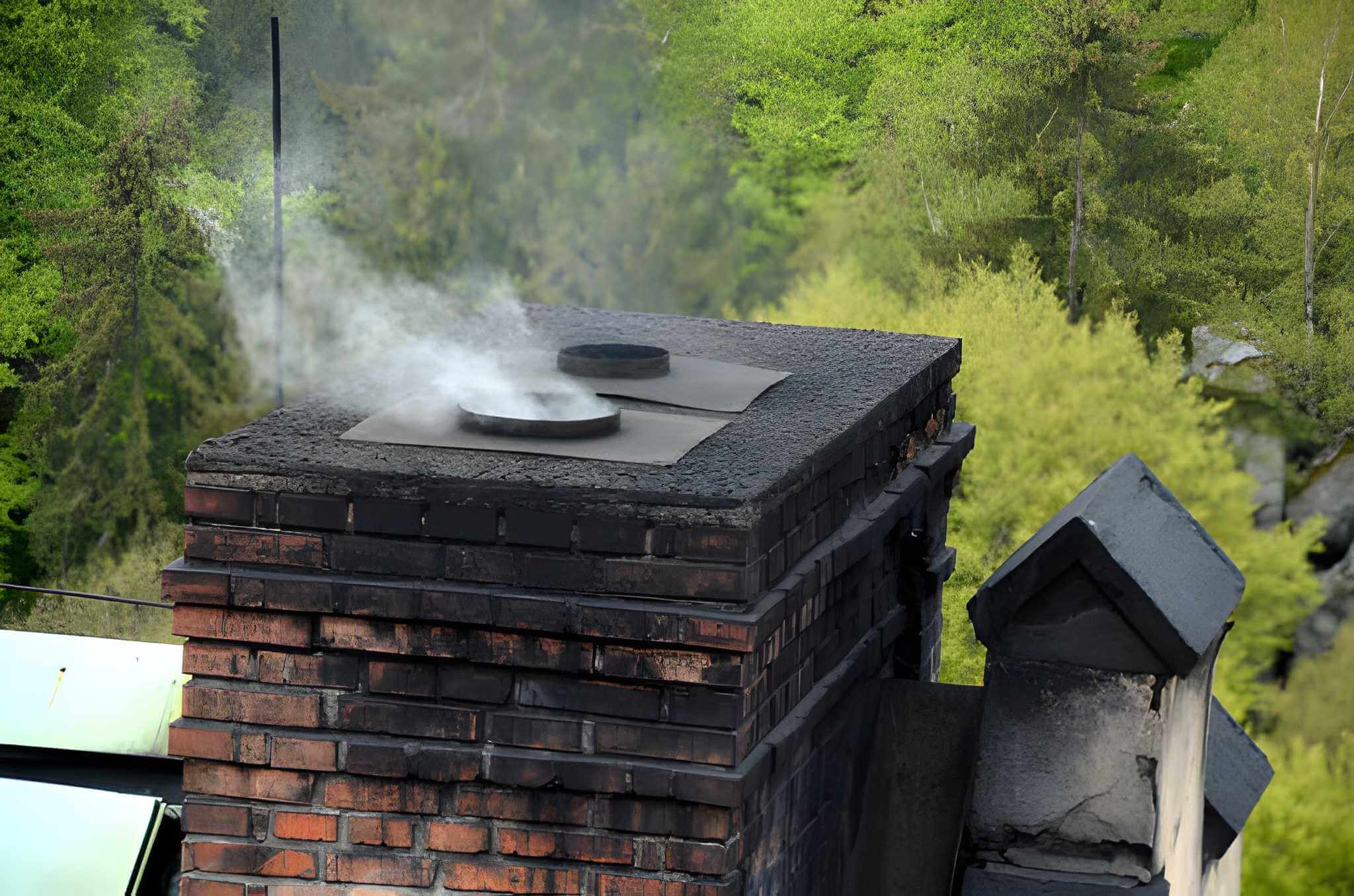
A Level 2 chimney inspection is a detailed safety inspection designed to find hidden chimney problems. It goes beyond basic visual checks and focuses on areas that cannot be seen during routine inspections.
In this guide, we clearly explain what a Level 2 chimney inspection is, when it is required, how it differs from Level 1, and what homeowners should expect. This content is educational only. We do not provide chimney inspection services.
What Is a Level 2 Chimney Inspection?
A Level 2 chimney inspection is an in-depth inspection of the chimney system. It includes visual checks of accessible areas and internal inspection of the chimney flue using special tools such as video cameras.
This inspection level is required when:
-
A home is bought or sold
-
A chimney fire has occurred
-
A new appliance is installed
-
The fuel type changes
-
Structural damage is suspected
A Level 2 inspection is designed to detect problems that cannot be seen from the outside.
Why Level 2 Chimney Inspections Are Necessary
Many serious chimney hazards develop inside the flue or within the walls. These problems often go unnoticed until a fire, smoke issue, or carbon monoxide exposure occurs.
A Level 2 chimney inspection matters because it:
-
Identifies hidden liner cracks
-
Detects internal blockages
-
Confirms proper clearances
-
Reduces fire and gas risks
-
Supports informed safety decisions
From a safety standpoint, this inspection level provides a clearer picture of chimney health.

What a Level 2 Chimney Inspection Includes
Areas Checked During a Level 2 Inspection
A chimney inspection Level 2 includes all Level 1 checks plus a deeper evaluation.
Key areas reviewed:
-
Internal flue condition using video scanning
-
Flue liner cracks or gaps
-
Smoke chamber integrity
-
Chimney structure in attics and crawlspaces
-
Clearances from combustible materials
-
Appliance connections
-
Chimney exterior condition
This inspection does not include repairs or cleaning.
Level 2 Chimney Inspection and NFPA Safety Standards
Level 2 inspections align with NFPA 211 safety guidance. These standards outline when deeper inspections are required to protect homes from fire and exhaust hazards.
According to NFPA guidance, a Level 2 inspection is necessary after:
-
Any event that may have damaged the chimney
-
Any change in system use or design
This standard helps ensure inspections follow consistent safety principles.
What Is the Difference Between Level 1 and Level 2 Chimney Inspection?
Many homeowners ask about Level 1 vs Level 2 chimney inspection.
Here is the simple difference:
-
Level 1 inspection
-
Visual checks only
-
Accessible areas
-
Routine maintenance
-
-
Level 2 inspection
-
Visual + internal flue camera
-
Hidden areas reviewed
-
Required after changes or damage
-
A Level 2 inspection is more thorough and more protective.
In more severe cases involving major structural damage or full chimney reconstruction, homeowners may need a Level 3 chimney inspection, which involves opening concealed areas of the chimney for direct evaluation.

When Is a Level 2 Chimney Inspection Required?
A chimney Level 2 inspection is recommended or required in these situations:
-
Buying or selling a home
-
After a chimney fire
-
Installing a new fireplace or stove
-
Changing fuel type (wood to gas)
-
Suspected chimney damage
-
Poor draft or smoke problems
These situations increase the risk of hidden defects.
Level 2 Chimney Inspection Cost: What Homeowners Should Know
Homeowners often ask about the Level 2 chimney inspection cost.
While costs vary by region and chimney complexity, Level 2 inspections generally cost more than Level 1 inspections because they involve:
-
Specialized equipment
-
Longer inspection time
-
More detailed evaluation
Factors affecting cost include:
-
Chimney height
-
Roof access
-
Interior access points
-
Local pricing differences
Because this inspection level is more thorough, it offers greater safety value.
Chimney Level 2 Inspection Cost vs Level 1
When comparing costs:
-
Level 1 inspections are usually lower cost
-
Level 2 inspections cost more due to advanced inspection tools
However, Level 2 inspections help prevent costly repairs by catching problems early.
Level 2 Chimney Inspection Near Me: What to Understand
Searches like “level 2 chimney inspection near me” are common. Homeowners should focus less on location-based phrases and more on inspection qualifications.
Key points to understand:
-
The inspection must follow safety standards
-
The inspector should explain findings clearly
-
Documentation of findings is important
Understanding the inspection process matters more than proximity alone.
Common Problems Found During Level 2 Inspections
Level 2 inspections frequently uncover issues such as:
-
Cracked or separated flue liners
-
Hidden creosote buildup
-
Improper appliance connections
-
Structural shifts
-
Clearance violations
-
Moisture damage inside the walls
These problems often cannot be detected during Level 1 inspections.
Level 2 Chimney Inspection and Fire Prevention
Chimney fires often start due to:
-
Internal liner damage
-
Excess creosote
-
Blocked flues
A Level 2 inspection helps identify these risks early. Fire prevention is one of the strongest reasons for choosing this inspection level when conditions change.
Does a Level 2 Inspection Include Cleaning or Repairs?
No. A Level 2 chimney inspection:
-
Does not include chimney cleaning
-
Does not include repairs
-
Does not alter the chimney structure
Its purpose is evaluation, not correction.
How Often Is a Level 2 Chimney Inspection Needed?
A Level 2 inspection is not required every year for most homes.
It is typically needed:
-
After specific events
-
When changes occur
-
When damage is suspected
Routine annual inspections usually fall under Level 1 unless conditions change.
Limitations of a Level 2 Chimney Inspection
While thorough, Level 2 inspections still have limits.
They do not:
-
Repair damage
-
Guarantee future performance
-
Replace safe usage habits
They provide a detailed snapshot of the current chimney condition.
How Level 2 Inspections Support Long-Term Chimney Safety
A Level 2 inspection helps homeowners:
-
Understand hidden risks
-
Plan repairs responsibly
-
Avoid unsafe operation
-
Protect home and family
This inspection level is a proactive safety tool.
Frequently Asked Questions:
1. What is a Level 2 chimney inspection?
A Level 2 chimney inspection is a detailed safety check that reviews both visible and hidden parts of the chimney. It uses internal inspection tools, such as video cameras, to detect cracks, blockages, and hidden damage.
2. When is a Level 2 chimney inspection required?
It is required when a home is sold, a chimney fire has occurred, a new appliance is installed, the fuel type changes, or damage is suspected. Level 2 inspections reveal problems that Level 1 inspections cannot detect.
3. How much does a Level 2 chimney inspection cost?
Level 2 chimney inspection cost varies by region, chimney height, and accessibility. It is generally more expensive than Level 1 inspections due to specialized tools and detailed evaluation.
4. What is the difference between Level 1 and Level 2 chimney inspections?
Level 1 inspections are basic visual checks of accessible areas, suitable for routine maintenance. Level 2 inspections include video inspection of hidden areas and are required after changes, damage, or high-risk situations.
5. Does a Level 2 chimney inspection include cleaning or repairs?
No. A Level 2 inspection identifies problems but does not include cleaning or repair. It provides homeowners with information to make safe, informed decisions about maintenance and repairs.
Final Thoughts:
A Level 2 chimney inspection is essential when chimney conditions change or safety is uncertain. It costs more than a basic inspection, but it provides deeper insight and stronger protection.
If:
-
Your home is changing hands
-
Your chimney system has been altered
-
You suspect damage
A Level 2 inspection is the safest choice.
Understanding inspection levels helps homeowners make informed, responsible decisions about chimney safety.
The Expert Chimney Team provides research-based guidance and practical tips on fireplaces, chimneys, and home safety. With 6 years of editorial experience, we help homeowners maintain safe, efficient, and well-functioning homes with clear, easy-to-understand advice. Read More
