
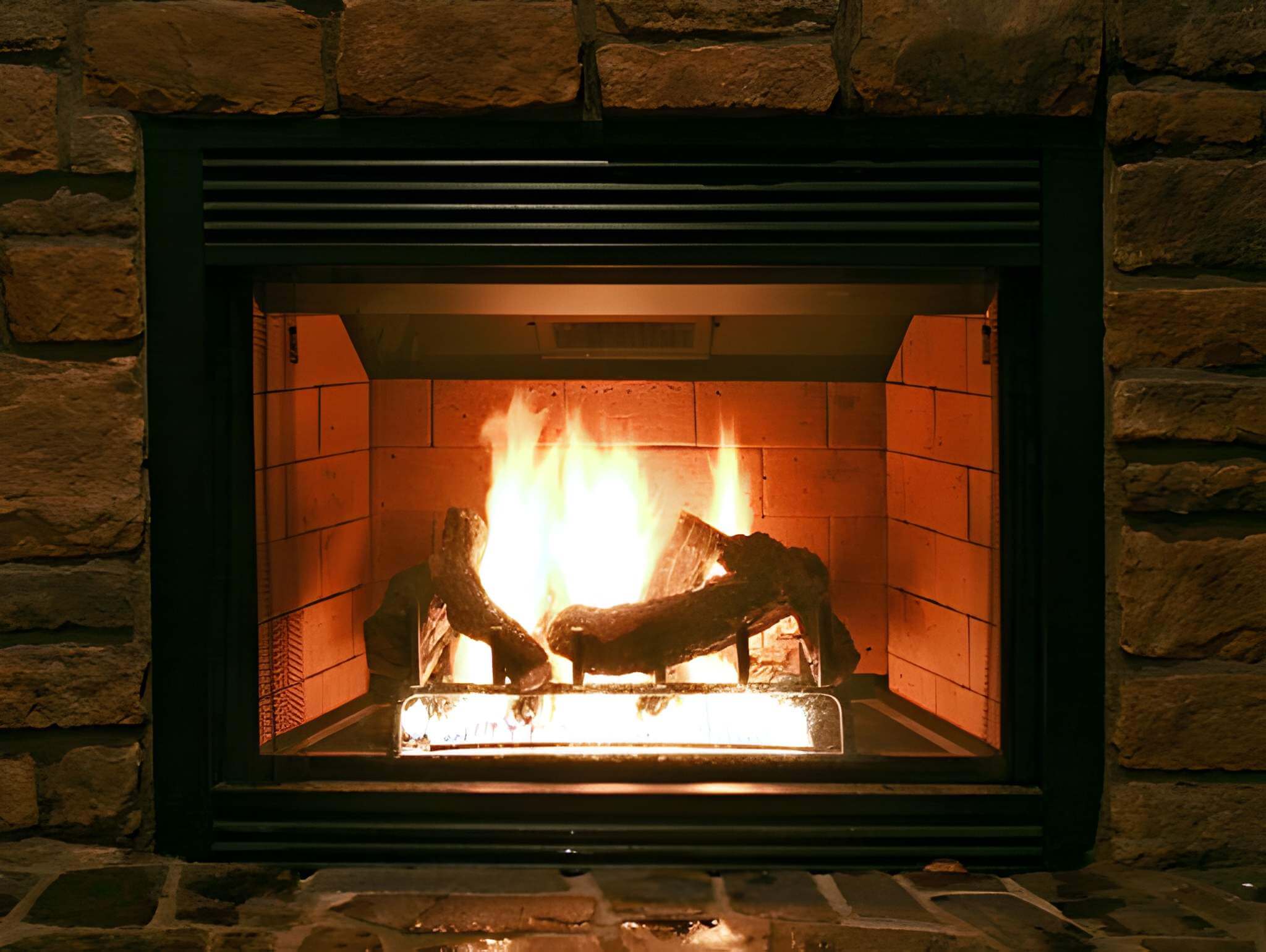
Replacing gas logs is a common question for homeowners who want a safe, reliable, and good-looking fireplace. Many people ask us, How much does it cost to replace gas logs? or How much do gas logs cost today?
In this guide, we explain gas log replacement costs in a clear and practical way. We focus on safety, pricing factors, and what homeowners should know before making a decision. Our goal is to help you understand the real costs so you can plan with confidence.
What Does It Mean to Replace Gas Logs?
Replacing gas logs means removing an old gas log set and installing a new one in your existing fireplace.
Gas logs wear out over time. Burners clog, logs crack, and safety components fail. Replacement restores safe operation and appearance.
Gas log replacement usually includes:
-
Removing the old gas log set
-
Installing a new gas log burner and logs
-
Connecting to the existing gas line
-
Testing for proper flame and ventilation
In most cases, the fireplace structure stays the same.
How Much Do Gas Logs Cost?
Gas logs typically cost between $300 and $1,500, depending on type and size.
Different gas log systems use different materials and technologies, which affects price.
Typical gas log price ranges:
-
Basic vented gas logs: $300–$700
-
Higher-quality vented logs: $700–$1,200
-
Ventless gas logs: $500–$1,500
Larger fireplaces and more realistic log designs usually cost more.
Cost to Replace Gas Logs (Total Installed Price)
The total cost to replace gas logs usually ranges from $500 to $2,500.
Installation, gas line adjustments, and safety checks add to the base cost of the logs.
A typical replacement cost includes:
-
Gas log set price
-
Labor and installation
-
Basic safety inspection
If the gas line or fireplace needs updates, costs may increase.
Factors That Affect Gas Log Replacement Cost
Several factors influence how much it costs to replace gas logs.
No two fireplaces are exactly the same.
Key cost factors include:
-
Type of gas logs (vented or ventless)
-
Fireplace size and opening
-
Gas type (natural gas or propane)
-
Condition of existing burner and gas line
-
Local labor rates and code requirements
Understanding these factors helps explain why prices vary.
Vented vs Ventless Gas Logs: Cost Differences
Vented gas logs usually cost less upfront than ventless systems.
Ventless logs include extra safety features and efficiency components.
Vented gas logs
-
Lower purchase cost
-
Require a working chimney
-
Less heat output
Ventless gas logs
-
Higher initial cost
-
Do not require a chimney
-
Higher heat efficiency
Choosing the right type depends on your fireplace and local codes.
Gas Logs Replacement vs Repair
Replacement is often better than repair for older gas log systems.
Many gas log parts are not designed for long-term repair.
Replacement is recommended when:
-
Logs are cracked or deteriorated
-
Burners produce uneven flames
-
Safety sensors no longer work properly
-
Parts are discontinued or outdated
In many cases, replacing the entire unit is safer and more cost-effective.
Do You Need a New Burner When Replacing Gas Logs?
Often, yes.
Gas logs and burners are designed to work as a matched system.
Installing new logs on an old burner can cause:
-
Poor flame pattern
-
Incomplete combustion
-
Safety risks
Most manufacturers recommend replacing the burner with the logs to ensure proper operation.
Installation and Safety Considerations
Gas log replacement must be done carefully to ensure safety.
Improper installation can lead to gas leaks or carbon monoxide issues.
Important safety steps include:
-
Checking gas line connections
-
Verifying proper ventilation
-
Testing flame height and ignition
-
Confirming compliance with local codes
Even small installation errors can create serious risks.
How Long Do Gas Logs Last?
Gas logs usually last 10 to 15 years with proper care.
Heat exposure and gas residue slowly degrade materials.
Signs it may be time to replace gas logs include:
-
Cracks or discoloration
-
Weak or uneven flames
-
Difficulty igniting
-
Persistent gas odors
Regular inspection helps extend lifespan and catch problems early.
Are Gas Logs Worth Replacing?
Yes, replacing gas logs is often worth the cost.
New gas logs improve safety, efficiency, and appearance.
Benefits of replacement include:
-
More realistic flame appearance
-
Improved reliability
-
Better heat control
-
Reduced safety concerns
For many homeowners, replacement is cheaper than switching to a different fireplace system.
Can Gas Logs Increase Home Value?
Gas logs can improve fireplace appeal but are not a major value driver.
Buyers value safe, functional fireplaces more than specific log brands.
New gas logs can:
-
Improve visual appeal
-
Show proper maintenance
-
Reduce buyer concerns
They are best viewed as a comfort and safety upgrade rather than an investment return.
Common Mistakes Homeowners Make
The most common mistake is choosing gas logs based on price alone.
Cheaper systems may not fit properly or meet safety needs.
Other mistakes include:
-
Ignoring fireplace size requirements
-
Mixing old burners with new logs
-
Skipping safety inspections
-
Installing ventless logs where not allowed
Careful selection prevents future problems.
How to Plan for Gas Log Replacement
Planning ahead helps avoid unexpected costs.
Knowing what your fireplace needs reduces surprises.
Before replacing gas logs:
-
Measure your fireplace opening
-
Identify gas type
-
Confirm venting requirements
-
Budget for installation
This preparation makes the process smoother and safer.
FAQs
1. How much does it cost to replace gas logs?
The total cost to replace gas logs ranges from $500 to $2,500, depending on the type of logs, size of the fireplace, and installation complexity.
2. How much do gas logs cost without installation?
Gas logs alone usually cost between $300 and $1,500, with ventless and premium models on the higher end of the range.
3. Do I need a new burner when replacing gas logs?
Yes. Most manufacturers recommend replacing the burner along with the logs to ensure proper flame pattern, safe operation, and compliance with safety standards.
4. What factors affect the cost to replace gas logs?
Factors include gas log type (vented or ventless), fireplace size, gas line condition, installation labor, and local building codes.
5. How long do gas logs typically last?
Gas logs generally last 10 to 15 years. Cracks, flame issues, or deteriorating burners are signs that replacement is needed for safety and efficiency.
Final Thoughts on the Cost to Replace Gas Logs
Replacing gas logs is a practical upgrade for many fireplaces. While the cost to replace gas logs varies, most homeowners spend between $500 and $2,500, depending on system type and installation needs.
As the Expert Chimney Team, we believe homeowners should clearly understand fireplace costs before making decisions. Knowing how much gas logs cost, what affects pricing, and when replacement is needed helps you choose the safest and most cost-effective option for your home.
The Expert Chimney Team provides research-based guidance and practical tips on fireplaces, chimneys, and home safety. With 6 years of editorial experience, we help homeowners maintain safe, efficient, and well-functioning homes with clear, easy-to-understand advice. Read More
