
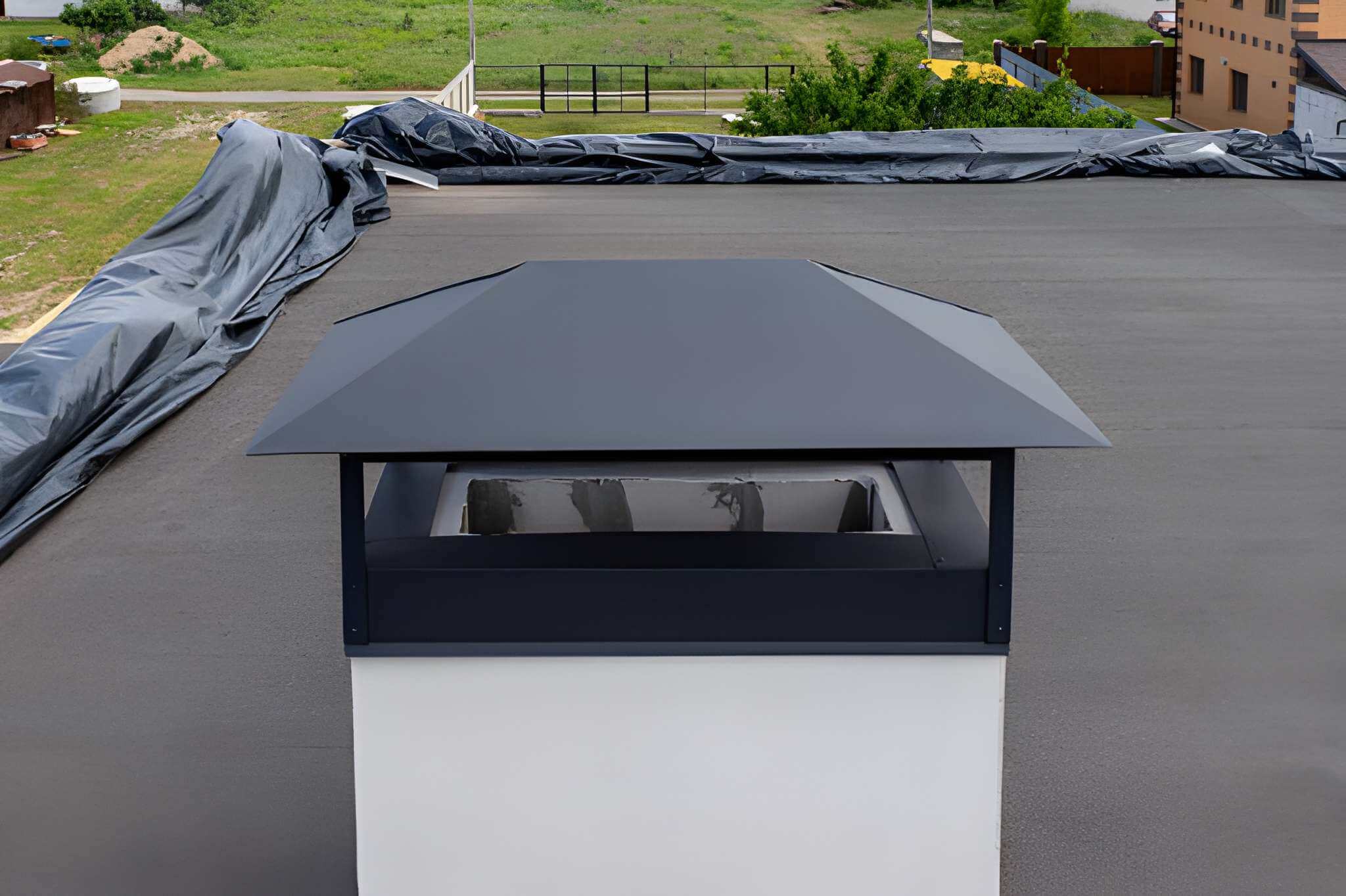
A chimney cap is one of the most essential components of a safe and functional chimney system. It may seem like a small addition, but a properly installed chimney cap protects your home from water damage, animals, debris, and sparks, while improving the efficiency of your fireplace or wood stove. The Expert Chimney Team compiles trusted home-safety guidelines to help homeowners understand chimney caps, their benefits, and considerations for replacement or installation. This article is educational and encourages consulting licensed chimney professionals for any inspections, repairs, or installations.
What Is a Chimney Cap?
A chimney cap, sometimes referred to as a chimney cover, chimney topper, or flue cap, is a protective metal covering placed on the top of your chimney. It acts as a barrier against:
-
Rain, snow, and ice entering the chimney flue
-
Birds, squirrels, and other animals nesting inside
-
Leaves, twigs, and other debris accumulating in the chimney
-
Sparks and embers escaping the fireplace
Chimney caps are available in various materials, including stainless steel, copper, and galvanized metal. Choosing the right material depends on your climate, chimney type, and aesthetic preferences. A chimney cap can also include a screen to prevent sparks from escaping and ensure proper ventilation for your fireplace or stove.
Benefits of Installing a Chimney Cap
Prevent Water Damage
Water is one of the most damaging threats to a chimney. Rain or melting snow that enters the flue can lead to rusted metal components, deteriorated masonry, and even leaks inside your home. A chimney cap forms a barrier to prevent water infiltration, protecting both the chimney structure and your ceilings.
Keep Animals and Debris Out
Chimneys are attractive nesting spots for birds and small animals. Nests can block airflow, increase fire risk, and cause unpleasant odors. Leaves, sticks, and other debris can also clog the flue, reducing efficiency and potentially creating a fire hazard. A chimney cap ensures that your flue remains clear and safe.
Improve Fireplace Efficiency
Properly fitted chimney caps help prevent downdrafts, ensuring that smoke flows up the chimney and out of the home rather than back into the living space. This improves air quality and the overall efficiency of your fireplace or wood stove.
Enhance Safety
A spark guard or mesh screen incorporated into the chimney cap prevents embers from escaping and potentially igniting your roof, nearby trees, or furniture. This is especially important for wood-burning fireplaces and stoves.
Types of Chimney Caps
Chimney caps come in a variety of styles to suit different chimney types and homeowner needs. Common options include:
Metal Chimney Caps
Metal caps, often made from stainless steel, galvanized steel, or copper, are durable and resistant to rust and corrosion. Stainless steel is the most popular choice for longevity, while copper is valued for aesthetics.
Chimney Caps for Brick Chimneys
Brick chimneys often require custom-fitted caps to accommodate the masonry crown and flue size. A well-fitted brick chimney cap protects the mortar joints and prevents water from seeping into the chimney structure.
Chimney Caps for Metal Chimneys
Metal chimneys, including prefabricated flues and wood stove pipes, benefit from lightweight, durable caps that fit securely over the flue. Many of these caps are universal and can accommodate standard flue dimensions.
Inside Chimney Covers
Inside chimney caps, also called flue caps or inside chimney covers, are installed within the flue itself. They are particularly useful for wood stove flues or smaller fireplace openings where exterior caps may not fit.
Universal Chimney Caps
Universal chimney caps are adjustable and designed to fit multiple flue sizes. They are a flexible option for homeowners who may not know their exact flue dimensions or who have unusual chimney shapes.
Signs You May Need a Chimney Cap Replacement
Knowing when to replace your chimney cap is crucial for maintaining chimney safety and efficiency. Common signs include:
-
Rust, corrosion, or bent metal
-
Loose or missing screws, brackets, or fasteners
-
Sparks escaping the chimney or excessive smoke in the home
-
Animal entry or nests in the flue
-
Water leaks or stains around the chimney
If any of these issues are present, a replacement is often more cost-effective than repairing damage caused by water or debris infiltration.
How Much Does a Chimney Cap Cost?
The cost of a chimney cap varies depending on material, size, and style. Here is a general overview:
-
Standard metal caps: $50–$150
-
Stainless steel or copper caps: $150–$400
-
Large chimney caps or custom designs: $400+
Professional installation may add another $100–$300 depending on chimney height, roof accessibility, and complexity. While DIY options exist, a professional ensures proper fit, compliance with building codes, and overall safety.
Where to Buy Chimney Caps
Chimney caps are widely available online and at home improvement stores. When shopping, consider:
-
Chimney caps for sale at reputable retailers
-
Size and shape compatibility with your flue
-
Metal type and durability
-
Inclusion of spark screens
The Expert Chimney Team recommends consulting licensed chimney professionals before purchasing to ensure proper sizing and installation.
Installation and Maintenance Tips
Professional Installation
Installing a chimney cap requires ladder safety, proper tools, and attention to fit. A professional ensures:
-
Accurate measurement of the chimney flue
-
Proper attachment to the masonry crown
-
Secure spark screens
-
Compliance with local codes and NFPA 211 safety standards
DIY Considerations
If you choose to install a chimney cap yourself, follow these precautions:
-
Always use safety equipment on ladders or roofs
-
Measure flue dimensions carefully
-
Use durable materials and secure fasteners
-
Avoid fully blocking the flue to maintain proper airflow
Regular Maintenance
-
Inspect your chimney cap annually for rust, loose screws, or damage
-
Clean debris and soot from the spark screen
-
Check after storms or high winds
-
Replace or upgrade if signs of wear appear
Routine maintenance ensures your chimney cap continues to protect your home for years.
Expert Tips for Homeowners
-
Always keep a chimney cap installed, even on rarely used fireplaces
-
Choose materials suitable for your climate and chimney type
-
Include a spark screen for wood-burning stoves or fireplaces
-
Schedule professional inspections annually
-
Address minor rust, bent metal, or loose fasteners immediately
Final Thoughts — Protect Your Home With a Chimney Cap
A chimney cap is a small but vital investment in home safety and fireplace efficiency. It prevents water damage, keeps animals and debris out, reduces fire hazards, and ensures proper smoke ventilation. Whether opting for a professional chimney cap replacement or installing a new cover, regular inspection and maintenance are essential.
The Expert Chimney Team provides trusted, educational guidance to help homeowners make informed decisions about chimney caps, covers, and related maintenance. Prioritizing proper installation, material choice, and ongoing care keeps your chimney and home safe year-round.
The Expert Chimney Team provides research-based guidance and practical tips on fireplaces, chimneys, and home safety. With 6 years of editorial experience, we help homeowners maintain safe, efficient, and well-functioning homes with clear, easy-to-understand advice. Read More
