
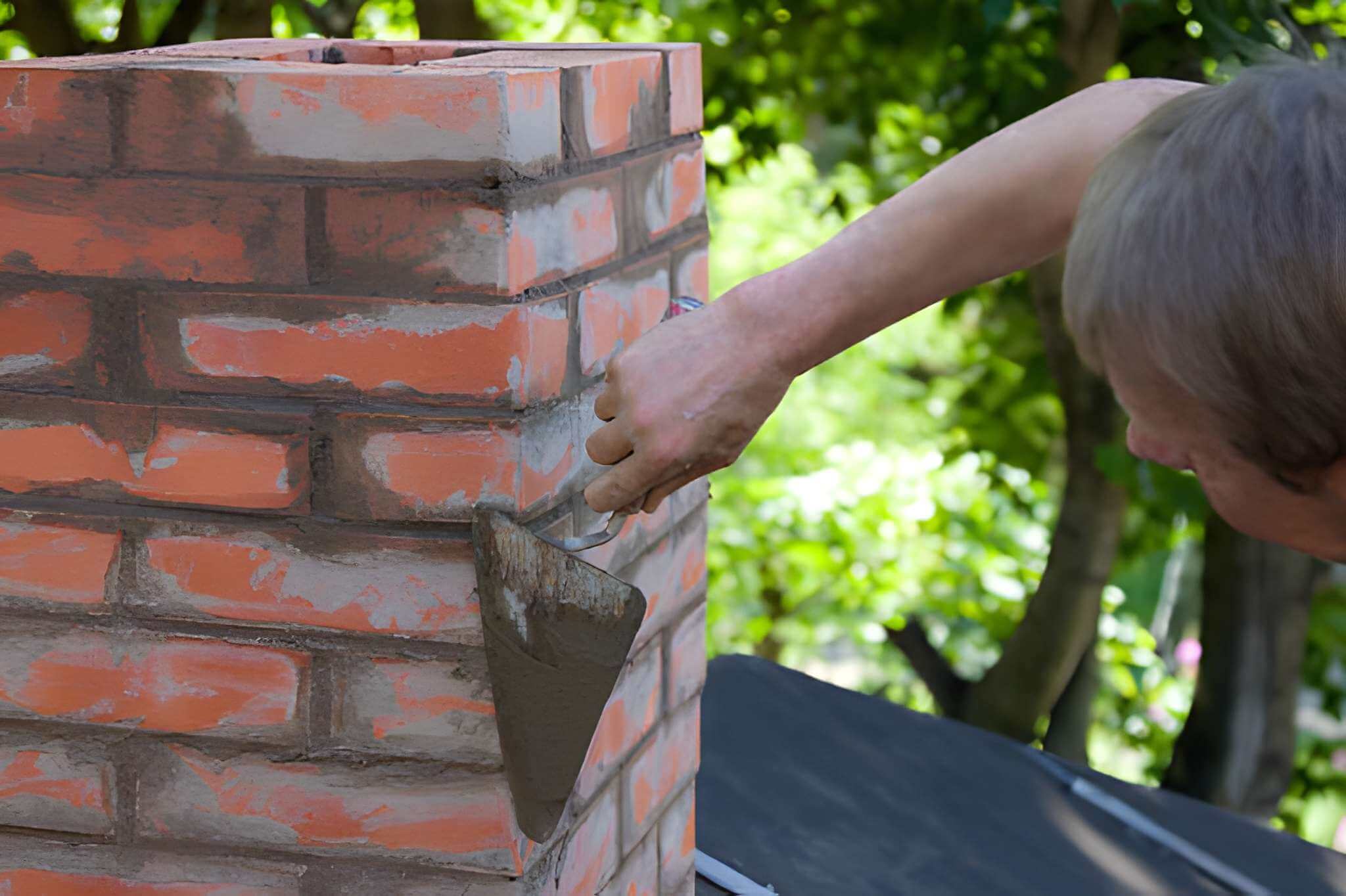
Maintaining a chimney is essential for home safety and efficiency. We provide reliable information on chimney repair, maintenance, and fixes. Our Chimney Expert Team compiles guidance from trusted home-safety sources to help homeowners understand proper chimney care. This article explains common chimney issues, repair considerations, and tips for maintaining a safe, functional chimney.
Why Chimney Fix Services Are Important
Chimneys face constant exposure to heat, moisture, and weather. Over time, this can cause damage that affects both performance and safety. Regular maintenance and timely repairs can prevent:
-
Fire hazards from creosote buildup or cracks
-
Water damage that erodes masonry or metal components
-
Poor airflow causing smoke and gas to enter your home
-
Structural issues like loose bricks or mortar
Understanding chimney fix services helps homeowners act proactively and reduce costly repairs.
Common Chimney Problems
Chimneys may develop several types of problems over time. Some common issues include:
-
Cracked or deteriorating mortar: Water, temperature changes, and age can cause mortar joints to break down.
-
Loose or damaged bricks: Bricks may loosen, creating gaps that let smoke or moisture enter your home.
-
Creosote buildup: A flammable residue from wood smoke that can cause chimney fires if not removed.
-
Damaged chimney cap or crown: These components protect the chimney from water, debris, and animals.
Identifying these problems early helps determine which chimney fix services are needed.
Types of Chimney Fix Services
Mortar and Brick Repairs
Repairing mortar joints and replacing damaged bricks is critical for chimney stability. Proper sealing prevents water infiltration, which can weaken the structure over time.
Crown and Cap Repairs
A chimney crown or cap may crack or wear down. Fixing these components protects the flue and prevents animals, rain, and debris from entering.
Flue and Liner Maintenance
Chimney liners can deteriorate due to heat, moisture, or corrosion. Repairs or replacements ensure safe airflow and protect against carbon monoxide and fires.
Creosote Removal
Professional cleaning removes creosote safely, reducing the risk of chimney fires. Regular cleaning is recommended based on usage and fuel type.
Signs Your Chimney Needs Fixing
Homeowners should watch for the following indicators:
-
Cracks in bricks or mortar
-
Water stains around the chimney
-
Smoke entering the living space
-
Rusted or damaged metal components
-
Loose or missing chimney cap
Prompt attention to these signs can prevent more serious damage and costly repairs.
DIY vs. Professional Chimney Repairs
While small maintenance tasks can be handled safely by informed homeowners, major chimney fixes require professional intervention. Professionals ensure:
-
Repairs follow building codes and safety standards
-
Structural issues are correctly identified and addressed
-
Proper sealing and waterproofing is applied
-
Risk of fire, carbon monoxide, or further damage is minimized
DIY fixes may be suitable for temporary or minor problems, but long-term chimney safety often requires expert attention.
Maintenance Tips to Avoid Major Repairs
Regular inspection and preventive maintenance can extend the life of your chimney:
-
Schedule annual inspections to identify potential issues early
-
Clean creosote and soot buildup regularly
-
Check crowns, caps, and flashings for cracks or damage
-
Use seasoned wood to reduce creosote formation
-
Ensure proper ventilation to maintain airflow
Following these tips helps homeowners avoid emergency chimney fixes.
Choosing Chimney Fix Services
When selecting chimney fix services, consider:
-
Experience and reputation of service providers
-
Type of repair needed (masonry, cap, liner, or cleaning)
-
Local building codes and safety standards
-
Reviews and recommendations from other homeowners
Understanding the scope of services allows you to make informed decisions and protect your home.
Safety Considerations
Chimney repairs involve working at heights and handling heat or flammable residues. Always:
-
Use proper safety equipment
-
Avoid temporary DIY fixes that compromise safety
-
Consult a licensed professional for structural or flue repairs
Homeowner awareness and safe practices prevent injuries and ensure the chimney functions efficiently.
Final Thoughts — Maintaining a Safe Chimney
Chimney fix services are essential for keeping your fireplace and home safe. From masonry repairs to cleaning and crown maintenance, addressing problems early prevents hazards and costly damage. The Expert Chimney Team provides educational guidance so homeowners understand repair needs, maintenance tips, and when to seek professional help. Regular inspection, cleaning, and repairs ensure your chimney remains safe, efficient, and reliable for years to come.
The Expert Chimney Team provides research-based guidance and practical tips on fireplaces, chimneys, and home safety. With 6 years of editorial experience, we help homeowners maintain safe, efficient, and well-functioning homes with clear, easy-to-understand advice. Read More
