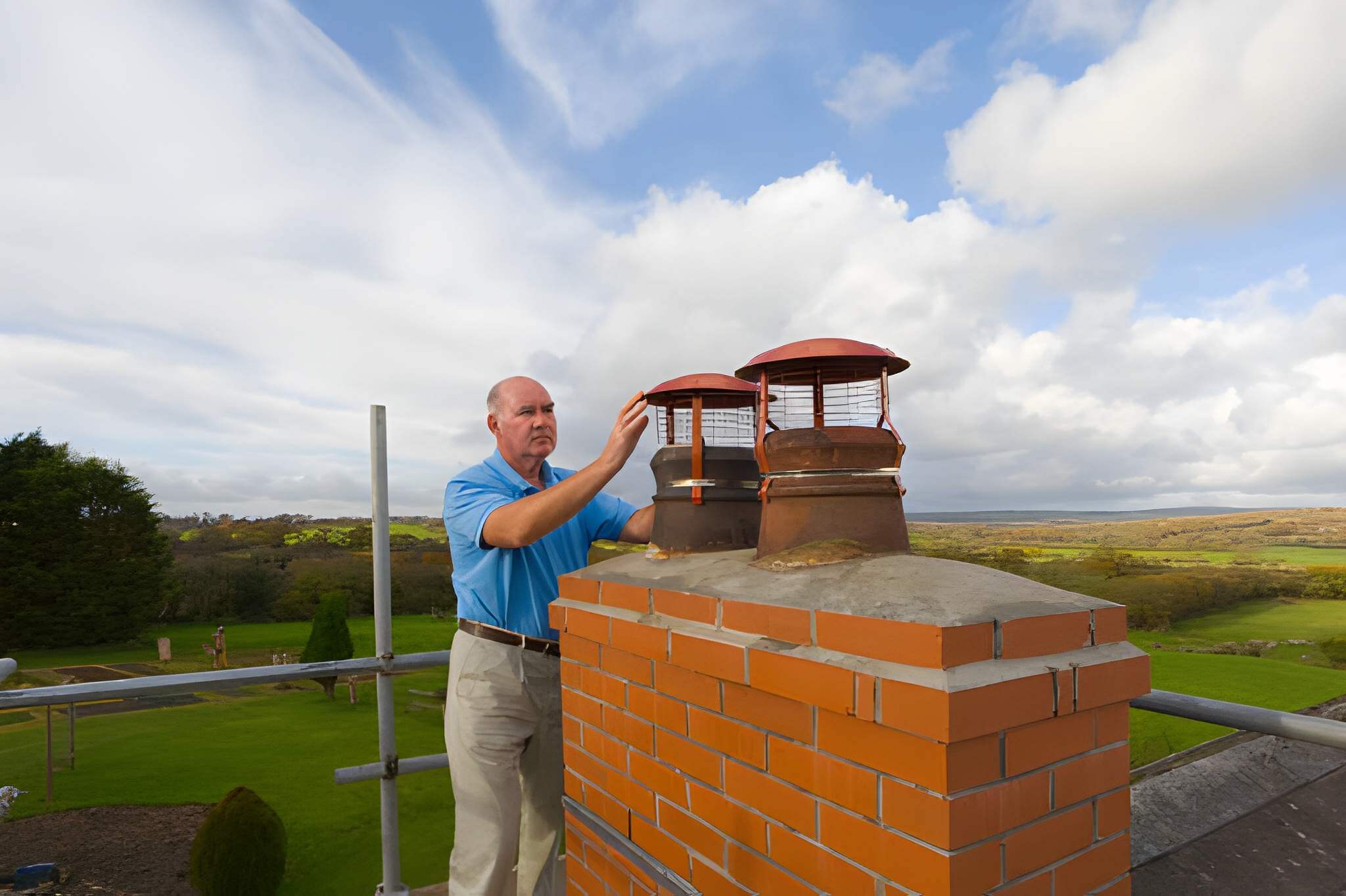
Our Chimney Expert Team compiles trusted home-safety information to help homeowners understand the importance of chimney inspection services. Chimneys are essential for venting smoke and gases from your fireplace or stove, but over time, they can develop issues that may compromise safety or efficiency. Regular inspections help identify problems early, preventing costly repairs and protecting your home.
In this guide, we’ll explain what chimney inspection services involve, why they are necessary, signs your chimney may need attention, and how homeowners can maintain a safe, functional chimney system. This content is for educational purposes only and encourages consulting licensed chimney professionals for inspections or repairs.
What Are Chimney Inspection Services?
Chimney inspection services involve a thorough examination of your chimney to ensure it is safe, structurally sound, and functioning properly. Licensed chimney professionals use visual assessments and sometimes specialized tools to check the condition of your flue, masonry, crown, chimney cap, and ventilation system.
Regular inspections help:
-
Identify cracks, gaps, or loose bricks
-
Detect creosote buildup, which can cause chimney fires
-
Check for blockages or obstructions affecting airflow
-
Spot water damage or moisture infiltration
-
Ensure proper operation of dampers, caps, and liners
By scheduling routine inspections, homeowners can address minor issues before they escalate into expensive repairs or safety hazards.
Why Chimney Inspections Matter
Chimneys handle heat, smoke, and combustion by-products daily. Without proper care, small issues can quickly turn into dangerous problems. A licensed chimney professional can spot signs of wear and tear, structural damage, or ventilation inefficiencies that are not always visible to homeowners.
Benefits of regular chimney inspections include:
-
Fire Prevention: Creosote and soot buildup can ignite without warning.
-
Carbon Monoxide Safety: Blocked or damaged chimneys may allow harmful gases to enter your home.
-
Water Damage Prevention: Cracks and gaps can let rain or snow seep into your masonry.
-
Improved Efficiency: A clean and well-maintained chimney ensures your fireplace draws smoke correctly and burns efficiently.
Even if your chimney looks clean and undamaged, scheduling inspections at least once per year is a recommended best practice.
Types of Chimney Inspections
Professional chimney inspections are classified into three levels according to industry standards:
Level 1 Inspection
A Level 1 inspection is the most common and routine check. It includes:
-
A visual examination of accessible parts of the chimney
-
Checking the flue, firebox, and chimney cap
-
Identifying obvious blockages, cracks, or corrosion
This inspection is recommended annually for chimneys that are in good condition and have not undergone structural changes.
Level 2 Inspection
Level 2 inspections are more detailed and required if you:
-
Are you buying or selling a home
-
Made changes to the fuel-burning appliance
-
Experienced damage from a fire, storm, or other event
This inspection may include video scanning of the flue and a more thorough assessment of the chimney’s interior and exterior structure.
Level 3 Inspection
A Level 3 inspection is needed for significant issues that require the removal of portions of the chimney structure. It includes:
-
Accessing hidden areas behind walls or ceilings
-
Checking for structural damage not visible in Level 1 or Level 2 inspections
-
Evaluating repairs after serious chimney failures or fires
Level 3 inspections are rare and usually recommended only when extensive damage or safety concerns exist.
Signs Your Chimney Needs Inspection
Homeowners should watch for these warning signs that indicate it’s time to schedule a chimney inspection:
Visible Cracks or Gaps
Cracks in masonry or mortar joints can allow water to enter and erode the chimney structure.
Smoke Problems
Smoke entering your living space may indicate blockages, poor draft, or flue liner damage.
Odors
Persistent odors from soot, creosote, or moisture often signal hidden issues inside the chimney.
Water Stains
Stains on walls or ceilings near the fireplace can suggest leaks or improper flashing.
Animal Activity
Birds, squirrels, or other animals entering the chimney can obstruct airflow and create hazards.
Maintenance Tips Between Inspections
Even with regular inspections, homeowners can take simple steps to maintain chimney safety:
-
Keep the Fireplace Clean: Remove ash and debris regularly.
-
Use Seasoned Wood: Dry wood reduces creosote buildup.
-
Check Chimney Caps: Ensure caps are secure and intact to prevent animals or water entry.
-
Monitor for Signs of Damage: Look for new cracks, loose bricks, or unusual smoke behavior.
Routine preventive care keeps your chimney functioning efficiently and reduces the likelihood of emergency repairs.
The Role of Licensed Professionals
While homeowners can perform basic maintenance, only licensed chimney professionals can:
-
Inspect structural integrity
-
Identify hidden hazards like flue deterioration or water damage
-
Perform Level 2 and Level 3 inspections with proper tools
-
Recommend or carry out repairs following safety standards
Professional inspections complement regular maintenance and provide peace of mind that your chimney is safe and reliable.
Common Questions About Chimney Inspection Services
How often should chimneys be inspected?
At a minimum, schedule a Level 1 inspection once per year. More frequent inspections may be necessary for heavily used chimneys or older structures.
Can I inspect my chimney myself?
Visual checks for obvious cracks or debris are useful, but only professionals can identify hidden hazards and structural issues.
Does an inspection include cleaning?
Inspections and cleaning are separate services. Many homeowners combine both to ensure safety and efficiency.
How do I know which inspection level I need?
Level 1 is for routine maintenance, Level 2 is for real estate or modifications, and Level 3 is for serious damage or structural concerns.
Final Thoughts — Protect Your Home with Chimney Inspections
Chimney inspection services are a vital part of maintaining a safe and efficient fireplace system. Regular inspections identify problems early, prevent hazards like fires or carbon monoxide leaks, and protect your home from costly repairs. Combined with proper maintenance, these inspections ensure your chimney performs reliably for years to come.
Our Chimney Expert Team compiles trusted safety information to help homeowners make informed decisions about chimney care. Always consult licensed professionals for inspections or repairs to keep your fireplace safe, functional, and efficient.
The Expert Chimney Team provides research-based guidance and practical tips on fireplaces, chimneys, and home safety. With 6 years of editorial experience, we help homeowners maintain safe, efficient, and well-functioning homes with clear, easy-to-understand advice. Read More
