
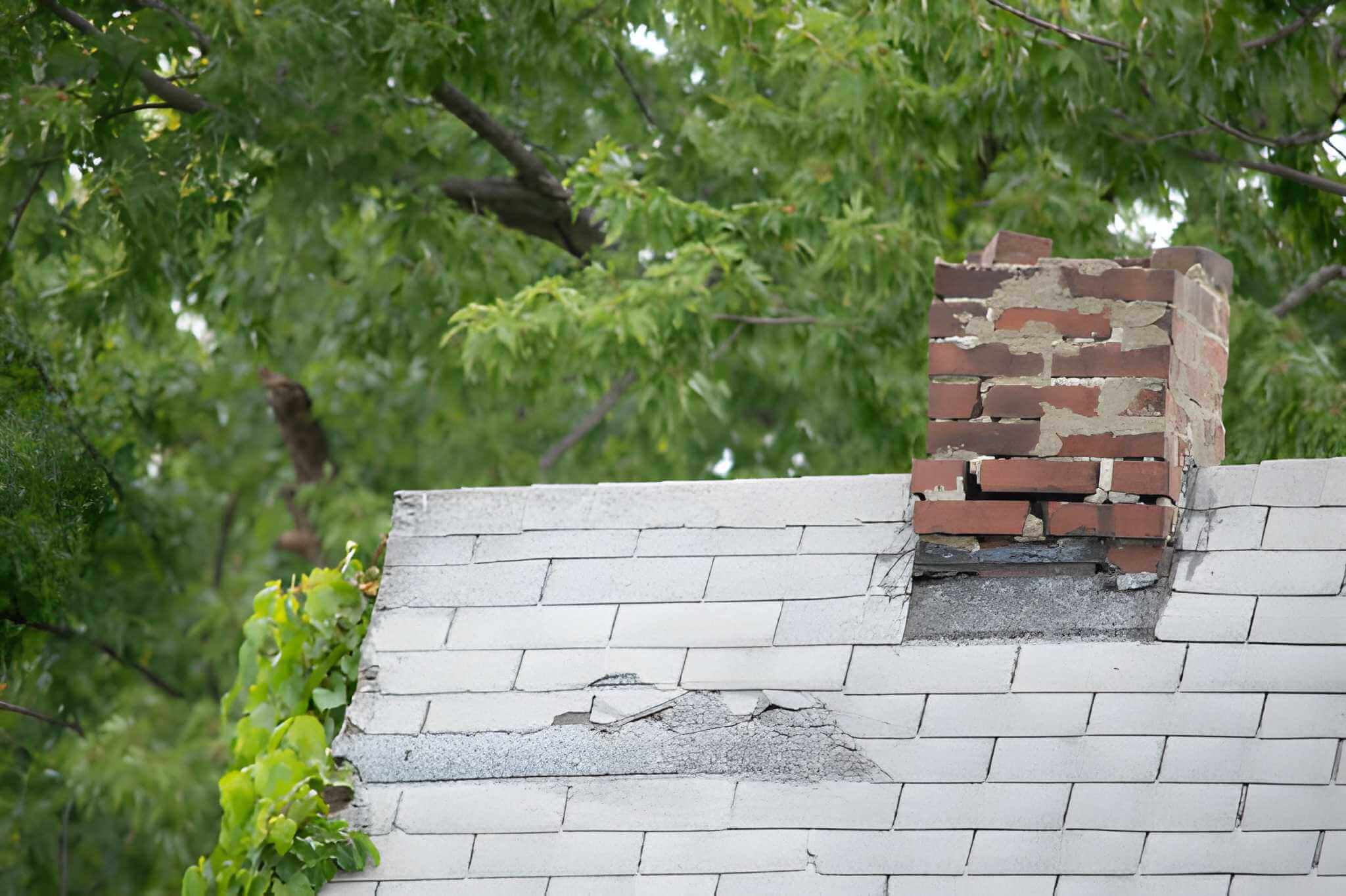
Water leaks around a chimney can damage your home faster than many homeowners realize. Stains on ceilings, damp walls near the fireplace, or musty odors often point to a chimney leak. When people search for “chimney leak repair near me,” they usually want fast answers and clear guidance. This article is written for educational purposes only to help you understand why chimney leaks happen, how they are identified, and when it’s time to contact licensed chimney contractors near you for proper repairs.
Our Chimney Expert Team researches widely accepted chimney safety practices and shares general guidance to help homeowners make informed decisions.
What Is a Chimney Leak and Why Does It Matters
A chimney leak occurs when water enters the chimney structure or the surrounding roof area instead of draining away safely. Because chimneys pass through the roof, they face constant exposure to rain, snow, ice, and temperature changes.
Even small leaks can lead to larger issues over time. Moisture can weaken masonry, damage attic insulation, cause mold growth, and stain interior walls. In colder climates, trapped water can freeze and expand, making cracks worse with each season.
Common Causes of Chimney Leaks
Understanding the source of a leak helps explain why professional inspection is often needed.
Damaged Chimney Flashing
Flashing is the metal barrier that seals the joint between the chimney and the roof. Over time, flashing can crack, loosen, or separate due to weather or roof movement. Faulty flashing is one of the most common reasons homeowners search for chimney leak repair near me.
Cracked Chimney Crown
The chimney crown sits at the top of the chimney and directs water away from the flue and masonry. Small cracks in the crown allow water to soak into the chimney structure, leading to internal leaks.
Worn Masonry and Mortar Joints
Brick and mortar absorb water naturally. When mortar joints deteriorate, moisture can move deep into the chimney. This often leads to leaks that appear inside the home long after rainfall.
Missing or Damaged Chimney Cap
A chimney cap keeps rain, snow, and debris out of the flue. Without one, water can flow directly into the chimney and cause leaks or interior damage.
Porous Brickwork
Older chimneys or chimneys without waterproofing treatments may absorb excessive moisture. Over time, this moisture migrates inward and causes visible leaks.
Signs Your Chimney May Be Leaking
Chimney leaks do not always show up right away. Watch for these common warning signs.
Interior Water Stains
Brown or yellow stains near the fireplace, ceiling, or walls often indicate a slow chimney leak.
Damp or Musty Odors
Moisture trapped inside the chimney can create persistent musty smells, especially after rain.
Rust on Fireplace Components
Rust on dampers, fireboxes, or metal components often signals ongoing water exposure.
Efflorescence on Chimney Bricks
White, powdery residue on bricks indicates moisture movement through masonry. While it may seem minor, it often points to deeper water problems.
Why Chimney Leaks Should Not Be Ignored
Ignoring a chimney leak can lead to serious long-term damage. Water weakens masonry and can compromise structural stability. Moisture also increases the risk of mold growth inside walls and attic spaces.
In colder regions, water inside chimney materials can freeze and expand, making cracks larger with each freeze-thaw cycle. Over time, what started as a minor leak can require major repairs.
How Chimney Leaks Are Diagnosed
Finding the true source of a chimney leak often requires more than a visual check.
Exterior Inspection
A professional inspection usually begins with examining the chimney crown, flashing, bricks, and cap. Cracks, gaps, or loose materials may be visible from the roof.
Interior Inspection
Inside the home, inspectors may look for water trails, rust, or damaged components inside the fireplace or flue.
Controlled Water Testing
In some cases, controlled water tests help identify where water enters the system. This method helps pinpoint leaks that are not obvious during dry conditions.
Because multiple issues can cause similar symptoms, contacting qualified chimney contractors near you is often the safest way to confirm the problem.
Common Chimney Leak Repair Methods
The exact repair depends on the cause of the leak. The following methods are commonly discussed in chimney safety guidelines.
Flashing Repair or Replacement
Damaged flashing may be resealed or replaced to restore a watertight barrier between the roof and chimney.
Chimney Crown Repair
Small crown cracks may be sealed, while severely damaged crowns may require rebuilding to properly shed water.
Tuckpointing and Masonry Repair
Deteriorated mortar joints are often repaired through tuckpointing. This process restores the integrity of the chimney’s brickwork.
Chimney Cap Installation
Installing or replacing a chimney cap helps prevent direct water entry and protects the flue from debris and animals.
Masonry Waterproofing
Breathable waterproofing products are sometimes applied to exterior brick surfaces to reduce water absorption while allowing moisture to escape.
DIY Fixes vs Professional Chimney Leak Repair
Many homeowners wonder if chimney leaks can be fixed without professional help.
Limits of DIY Solutions
Temporary sealants or surface patches may hide symptoms but often fail to address the root cause. Improper repairs can trap moisture and make damage worse.
When Professional Help Is Needed
Because chimneys affect both fire safety and structural integrity, licensed professionals are best equipped to assess and repair leaks correctly. This is especially true for roof-level work, which carries fall risks.
If you are searching for chimney leak repair near me, it usually indicates the issue has reached a point where expert evaluation is the safer option.
How to Choose Chimney Contractors Near You
While we does not provide services, general consumer guidance can help homeowners choose responsibly.
Look for Proper Licensing and Insurance
Always confirm that contractors are licensed and insured according to local regulations.
Ask About the Inspection Process
Reputable contractors explain how they identify leaks before recommending repairs.
Request Clear Estimates
Written estimates help clarify the scope of work and prevent surprises.
Avoid Pressure Tactics
Be cautious of anyone who claims urgent repairs without evidence or pushes unnecessary services.
Preventing Future Chimney Leaks
Regular maintenance plays a key role in preventing leaks.
Schedule Routine Inspections
Annual chimney inspections help catch small issues before they become major problems.
Keep the Chimney Cap in Good Condition
Check that the chimney cap remains securely attached and free from damage.
Address Small Cracks Early
Minor crown or mortar cracks are easier to fix when caught early.
Monitor After Heavy Weather
After severe storms, look for new stains, leaks, or masonry damage.
When to Seek Immediate Help
Some chimney leak situations require prompt attention.
Active Water Dripping Indoors
Visible water dripping during rain should be addressed quickly.
Structural Brick Movement
Loose or shifting bricks may indicate serious moisture damage.
Mold Growth Near Fireplace Areas
Mold suggests ongoing moisture exposure that needs professional evaluation.
In these cases, contacting qualified chimney contractors near you is strongly recommended.
Final Thoughts on Chimney Leak Repair Near Me
Chimney leaks are common but should never be ignored. Understanding the causes, warning signs, and repair options helps homeowners take timely action. While online searches for chimney leak repair near me can point you toward local help, informed decision-making starts with knowing what questions to ask.
This article is intended for educational purposes only. Always consult licensed chimney professionals for inspections, repairs, or structural concerns. With proper care and expert guidance, chimney leaks can be addressed safely and effectively, helping protect your home for years to come.
The Expert Chimney Team provides research-based guidance and practical tips on fireplaces, chimneys, and home safety. With 6 years of editorial experience, we help homeowners maintain safe, efficient, and well-functioning homes with clear, easy-to-understand advice. Read More
