
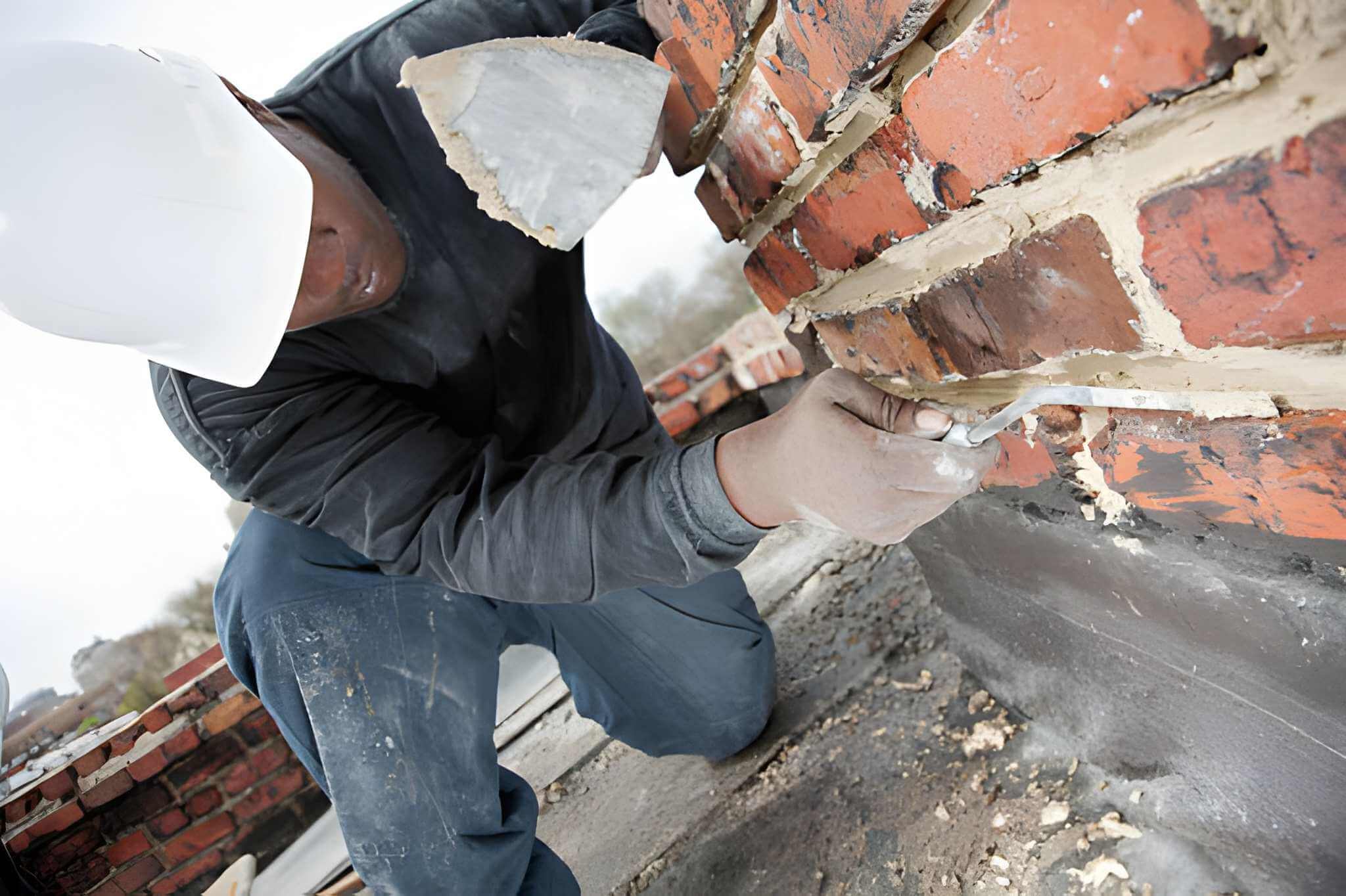
Proper chimney maintenance is crucial for home safety and efficiency. One essential aspect of this is chimney masonry repair, which ensures the structure remains strong, weather-resistant, and functional. Our Chimney Expert Team compiles information from trusted home-safety guidelines to help homeowners understand chimney masonry issues and safe repair practices. This article explains common masonry problems, repair methods, and preventive tips for keeping your chimney in good condition.
Why Chimney Masonry Repair Matters
The masonry of a chimney—including bricks, mortar, and the chimney crown—forms the backbone of its structure. Over time, weather, moisture, and heat can damage these components. Cracked bricks, eroded mortar, and deteriorating crowns can allow water to seep in, cause structural weakening, or lead to unsafe draft conditions. Left unaddressed, these problems may result in costly repairs, fire hazards, or indoor air quality issues.
Regular chimney inspections and timely masonry repairs prevent minor problems from becoming major safety concerns. While this article provides educational guidance, consulting a licensed chimney professional is recommended for any repair work.
Common Chimney Masonry Problems
Cracked or Spalling Bricks
Bricks may crack due to freeze-thaw cycles, thermal expansion, or settling. Spalling occurs when brick faces flake off, often from trapped moisture. These issues can compromise the chimney’s stability and allow water penetration.
Deteriorated Mortar Joints
Mortar joints are the binding material between bricks. Over time, mortar can crumble or erode, reducing the chimney’s structural integrity. Missing or weakened mortar also increases the risk of water damage.
Damaged Chimney Crown
The crown is the top surface of the chimney that protects it from rain and snow. A cracked or deteriorated crown can allow water into the flue and masonry, accelerating damage.
Efflorescence and Staining
White powdery deposits, known as efflorescence, indicate water infiltration. Stains or rust-colored streaks may signal moisture problems that require attention.
Signs Your Chimney Needs Masonry Repair
Homeowners should watch for warning signs such as:
-
Loose or missing bricks
-
Crumbling mortar
-
Visible cracks in the crown
-
Water leaks inside the fireplace
-
Smoke or odor issues
Noticing any of these signs warrants a professional inspection and, if needed, masonry repair.
Safe Chimney Masonry Repair Methods
Repointing Mortar Joints
Repointing involves removing deteriorated mortar and replacing it with fresh mortar. This restores structural stability and prevents water infiltration. Mortar selection should match the chimney’s original composition to avoid damage.
Replacing Damaged Bricks
Severely cracked or spalled bricks should be replaced individually. Professionals carefully remove damaged bricks and install new ones with compatible mortar to maintain strength and aesthetics.
Crown Repair or Replacement
Repairing the chimney crown involves filling cracks or resurfacing with proper sealants. In cases of extensive damage, full replacement may be necessary to protect the chimney from the weather.
Waterproofing and Sealants
After repairs, applying a breathable chimney water repellent can prevent future moisture damage. Sealants allow vapor to escape while keeping water out, protecting the masonry and prolonging its life.
Preventive Tips for Chimney Masonry Health
Regular Inspections
Schedule annual chimney inspections to detect early signs of masonry deterioration. Even minor cracks or mortar issues can be addressed before they worsen.
Avoid Harsh Chemicals
Do not use harsh cleaners or power washing on bricks and mortar, as this can accelerate deterioration. Stick to safe, masonry-approved cleaning methods.
Maintain Proper Flashing and Caps
A well-installed chimney cap and flashing help prevent water intrusion, reducing the need for frequent masonry repairs.
Control Moisture Inside the Home
Excess humidity or leaks in the roof or attic can affect chimney masonry. Keep your home dry to protect the chimney structure.
Use Seasoned Firewood
Burning dry, seasoned wood reduces moisture and heat stress inside the flue, indirectly protecting masonry from damage.
DIY vs. Professional Masonry Repair
While minor tuckpointing or small crack sealing can sometimes be performed by experienced homeowners, masonry repair carries risks. Improper techniques can compromise structural integrity and safety. Licensed chimney contractors follow safety guidelines, ensure proper material selection, and address hidden structural issues.
Conclusion
Chimney masonry repair is vital for maintaining a safe, functional, and durable chimney. Recognizing early warning signs, performing preventive maintenance, and seeking professional guidance help homeowners avoid costly damage and safety hazards. Our Chimney Expert Team provides reliable, educational guidance to support homeowners in understanding the importance of chimney masonry care. Remember, even minor repairs play a significant role in long-term chimney health and home safety.
The Expert Chimney Team provides research-based guidance and practical tips on fireplaces, chimneys, and home safety. With 6 years of editorial experience, we help homeowners maintain safe, efficient, and well-functioning homes with clear, easy-to-understand advice. Read More
