
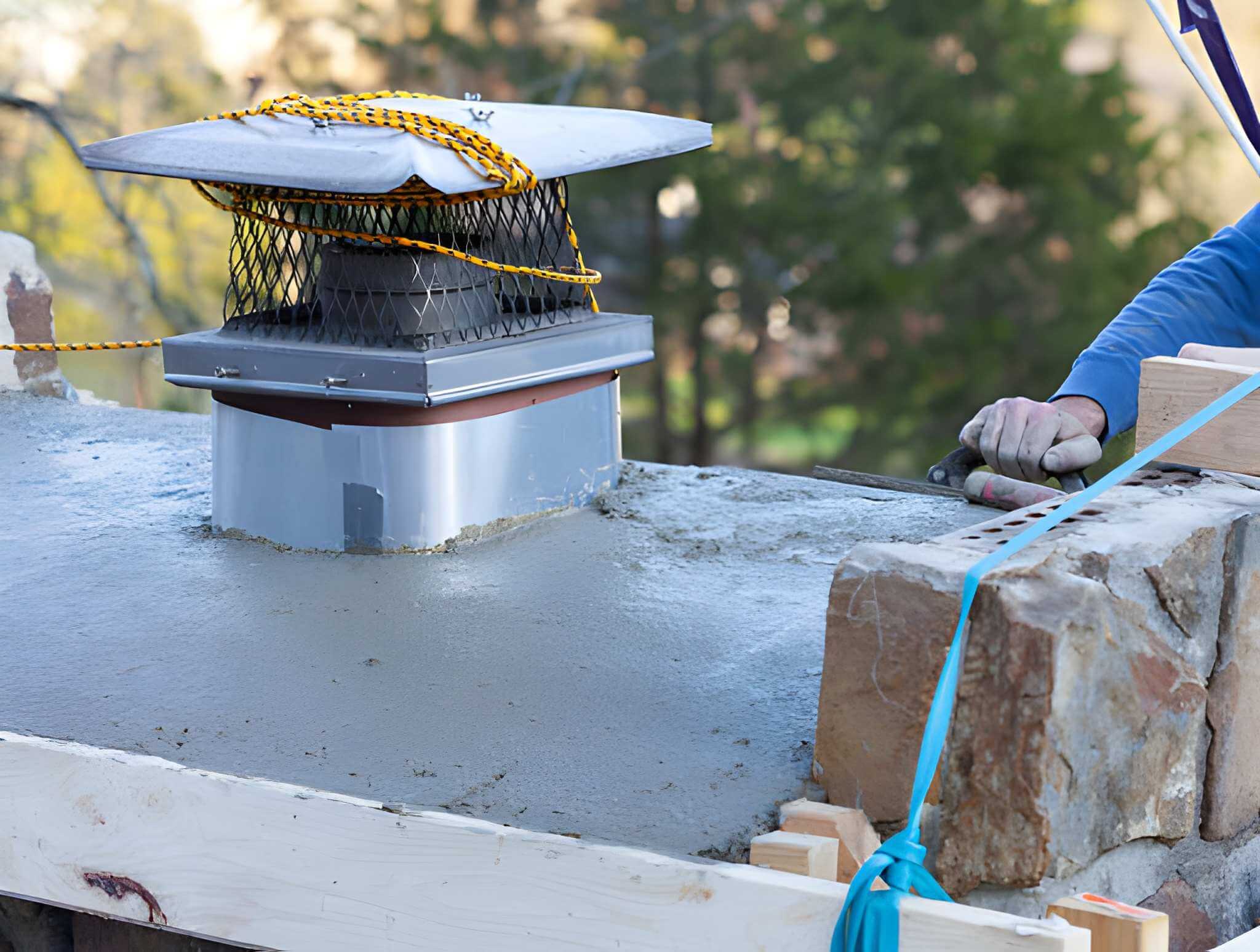
If you want your chimney to stand strong against rain, snow, heat, and seasonal damage, a chimney mortar cap is one of the most important parts to maintain. Many homeowners don’t realize that most chimney leaks don’t start in the bricks — they start at the top, right where the chimney crown or cement chimney cap sits. A properly built chimney mortar cap protects your entire chimney system, keeps water out, and prevents costly repairs down the road.
In this guide, we’ll walk through what a chimney mortar cap is, why it matters, signs of damage, how repairs work, and whether you should repair or replace it. If you’re thinking about improving your chimney’s durability, this article will give you everything you need to make the right decision.
What Is a Chimney Mortar Cap?
A chimney mortar cap, also commonly called a cement chimney cap or fireplace crown, is the solid concrete or mortar layer built on top of your chimney. It acts as a protective roof that keeps water and weather from seeping into the masonry below.
Many people confuse a mortar cap with a metal chimney cap, but they are not the same.
A metal cap covers only the flue.
A chimney mortar cap covers the entire top surface of the chimney.
What a Proper Chimney Mortar Cap Includes
A strong mortar cap is built with these features:
- A solid layer of mortar or concrete
- A sloped design that pushes water away from the flue
- Overhanging edges to prevent water from running down the chimney sides
- A drip edge under the overhang to stop moisture from clinging to the brickwork
When these features are missing, your chimney becomes vulnerable to leaks, cracks, and freeze-thaw damage.
Why Your Chimney Needs a Cement Chimney Cap
Your chimney is exposed to the weather every single day. Without the protection of a durable cement chimney cap, several problems can develop.
1. Prevents Water Leaks
Water is the number one enemy of chimneys. A properly built cap stops rainfall from sitting on the chimney top and soaking into the masonry.
2. Stops Freeze-Thaw Damage
When water enters cracks and freezes, the expansion widens the damage. A chimney mortar cap prevents water from entering in the first place.
3. Extends the Life of the Chimney
A fireplace crown protects the bricks, mortar joints, flue tiles, and the entire chimney system.
4. Reduces Costly Repairs
Chimney rebuilds and masonry restoration are expensive. A good mortar cap is a small investment compared to future repair bills.
Signs Your Chimney Mortar Cap Needs Repair or Replacement
A chimney mortar cap can last many years, but weather and age eventually cause wear. Here are the signs to look for:
Cracks or Missing Pieces
Even small cracks allow water to seep into the chimney structure.
Pooling Water on the Surface
If the cap is flat instead of sloped, water will sit on top and break it down over time.
Rust Stains Around the Flue
This is a sign that water is entering around the chimney flue.
Spalling Bricks
If bricks around the top of the chimney are breaking or flaking, the mortar cap may be failing.
Water Inside the Fireplace
Moisture inside the firebox is often linked to a damaged chimney crown.
If you notice any of these issues, it’s important to take action before the damage spreads.
Repairing a Chimney Mortar Cap
Depending on the condition of your existing chimney mortar cap, repair may be possible. Small cracks and surface damage can often be restored.
When Repairs Are Enough
- Hairline cracks
- Minor surface wear
- Early-stage weathering
- Slightly uneven surfaces
A chimney expert can apply a waterproof sealant or resurfacing material designed to restore the top layer.
When Repair Is Not an Option
If the cap is severely cracked, crumbling, flat, or incorrectly built, replacement is the safer and longer-lasting solution.
A failing crown can cause rapid structural damage, so full replacement is often the wiser investment.
Replacing a Chimney Mortar Cap — What to Expect
A new cement chimney cap provides maximum protection and lasts much longer than patching an old one that was built incorrectly.
Step 1 — Removing the Old Cap
Damaged mortar, loose chunks, and old concrete are removed to prepare the top of the chimney.
Step 2 — Building a Form
A frame is created around the chimney to shape the sloped concrete crown.
Step 3 — Pouring Concrete
A high-strength concrete mix is used to form the new chimney cap. This gives it durability and resistance to weather.
Step 4 — Adding the Overhang and Drip Edge
These features help water drain away from the brickwork, preventing future leaks.
Step 5 — Waterproofing for Extra Protection
A professional-grade waterproofing product is applied to extend longevity.
Chimney Mortar Cap vs. Cement Chimney Cap vs. Fireplace Crown
These three terms are often used, but they all refer to the same thing:
- Chimney mortar cap
- Cement chimney cap
- Fireplace crown
The construction materials may vary slightly (mortar mix vs. concrete), but the purpose is identical — to protect the chimney from water.
How Long Does a Chimney Mortar Cap Last?
A well-built mortar cap made of proper concrete can last 25–50 years with routine maintenance. Poorly built caps, however, may only last a few years.
Longevity depends on:
- Quality of construction
- Weather exposure
- Waterproofing
- Maintenance
- Freeze-thaw cycles in your area
Investing in a properly engineered crown saves money long-term.
DIY or Professional Installation — Which Is Better?
While small cracks can be sealed by a homeowner, building a full chimney mortar cap is not a DIY-friendly job.
DIY Can Lead to Problems
- Wrong concrete mix
- Incorrect slope
- No overhang
- No drip edge
- Poor adhesion
- Quick cracking
These mistakes lead to the same problems you were trying to fix.
Why Professional Installation Is Safer
A chimney technician ensures proper structure, slope, and long-term durability. Professionals also use materials specifically designed to handle weather exposure.
How to Prevent Future Chimney Crown Damage
A few simple maintenance steps can help extend the life of your chimney mortar cap.
Apply Waterproof Sealant
A high-quality breathable sealant keeps water from soaking into the cap.
Inspect the Chimney Annually
Small cracks can be fixed before they turn into major issues.
Keep the Metal Chimney Cap in Good Condition
A damaged flue cap allows water to hit the mortar cap directly.
Avoid Power Washing
High-pressure water can damage mortar and concrete.
Final Thoughts — Protect Your Chimney with a Strong Mortar Cap
A chimney mortar cap may look simple, but it plays one of the biggest roles in preventing leaks and protecting the entire chimney. Whether you call it a cement chimney cap or a fireplace crown, this protective layer is essential for long-term chimney health.
If yours is cracked, uneven, or poorly built, repairing or replacing it now will prevent expensive structural damage later. A strong, properly-designed chimney mortar cap keeps your home safe, dry, and leak-free for years to come.
If you want to add long-lasting protection to your chimney, investing in a properly engineered crown is one of the best upgrades you can make.
The Expert Chimney Team provides research-based guidance and practical tips on fireplaces, chimneys, and home safety. With 6 years of editorial experience, we help homeowners maintain safe, efficient, and well-functioning homes with clear, easy-to-understand advice. Read More
