
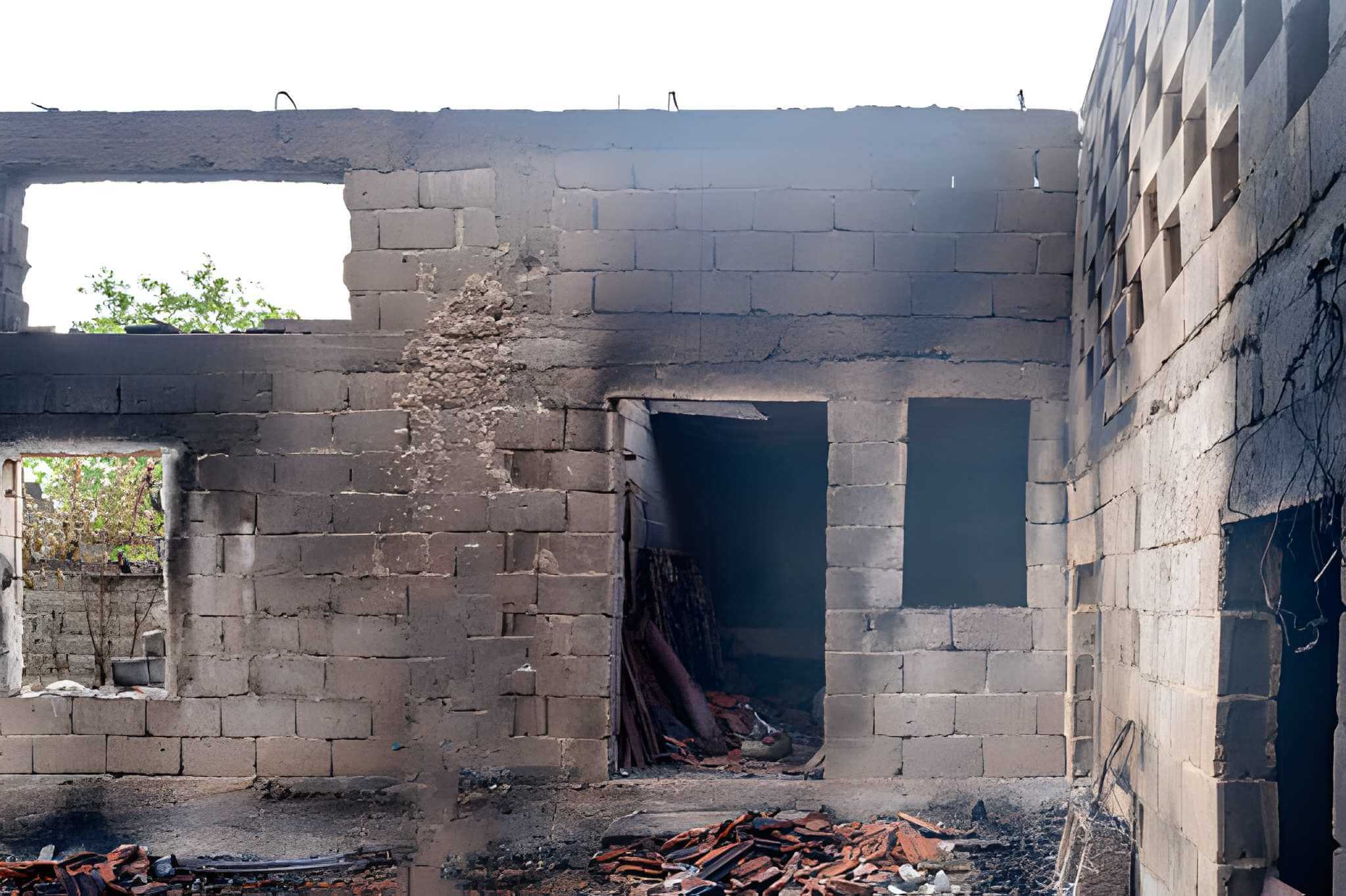
As the Chimney Expert Team, we compile trusted information about chimney safety and maintenance. One topic many homeowners search for is “chimney removal near me.” Removing a chimney can be a complex project, so it’s important to understand the process, risks, and alternatives before contacting a chimney removal contractor. This article provides an educational overview for homeowners considering chimney removal.
Chimneys are integral to your home’s structure and fireplace system. Over time, you may consider removing a chimney if it’s damaged, unused, or affecting roof space. While we provide educational insights, we strongly encourage consulting licensed professionals for inspections and removal to ensure safety and compliance with local building codes.
Why Consider Chimney Removal
When Chimney Removal Becomes Necessary
Some homeowners search for chimney removal near me because they face issues like:
-
Structural damage or cracks in the chimney
-
Persistent water leaks or masonry deterioration
-
Fire hazards from outdated or unused chimneys
-
Desire to remodel or increase roof space
Removing a chimney is not a small DIY project. Even partial removal can affect the home’s structure and roofing. Knowing why removal is necessary helps you discuss options with a professional contractor.
Alternatives to Full Removal
Before deciding on complete chimney removal, consider:
-
Partial deconstruction: Removing the upper portion while keeping the base for structural stability.
-
Chimney caps or flue sealing: Prevents water and debris entry without full removal.
-
Masonry repair or restoration: May restore functionality and prevent further damage.
These options are safer and often more cost-effective than full removal, depending on the chimney’s condition.
Understanding the Chimney Removal Process
Step 1: Inspection and Assessment
A licensed chimney contractor evaluates the structure to determine:
-
Chimney type (brick, stone, metal)
-
Connection to the fireplace and roof
-
Structural integrity and potential hazards
-
Necessary permits for removal
This assessment helps homeowners understand the scope, cost, and safety measures required.
Step 2: Preparing the Site
Before removal begins, contractors typically:
-
Clear the area of furniture and valuables
-
Cover floors and surrounding structures to prevent debris damage
-
Install scaffolding and safety barriers if working on taller chimneys
Proper preparation reduces risks to both workers and the home.
Step 3: Removing the Chimney
Depending on the type of chimney, removal involves:
-
Brick or masonry chimneys: Bricks are removed carefully layer by layer to avoid damage to the house.
-
Metal or prefabricated chimneys: Sections can be unscrewed or cut for removal.
Debris is safely collected and disposed of according to local regulations.
Step 4: Roof and Structural Repairs
Once the chimney is removed, the contractor typically:
-
Rebuilds the roof structure to fill the gap
-
Installs flashing and roofing materials to prevent leaks
-
Ensures proper ventilation and insulation
This step is crucial to avoid water damage and maintain structural integrity.
Safety Considerations for Chimney Removal
Risks of DIY Removal
Attempting chimney removal without professional assistance can result in:
-
Structural damage to walls or the roof
-
Personal injury from falling bricks or debris
-
Improper sealing leading to water leaks or pest entry
Homeowners should avoid DIY removal unless experienced in masonry and roofing.
Importance of Licensed Contractors
Professional chimney removal contractors bring:
-
Knowledge of structural safety
-
Tools for debris management and roof protection
-
Compliance with local building codes
-
Insurance coverage in case of accidents or damage
Hiring licensed contractors ensures the job is safe, efficient, and code-compliant.
Costs of Chimney Removal
The cost of chimney removal depends on:
-
Chimney type and height
-
Extent of removal (partial vs full)
-
Roof complexity and materials
-
Local labor rates and permit fees
Educated homeowners who understand these factors can better evaluate estimates from contractors. Asking for multiple quotes helps ensure a fair price.
After Removal: Maintenance and Safety
Roof and Ventilation
After a chimney is removed, ensure the roof and attic are:
-
Properly sealed to prevent water intrusion
-
Well-ventilated to avoid moisture buildup
-
Inspected for structural stability
Fireplaces and Heating Systems
If the chimney supported a fireplace or stove, consider alternatives:
-
Installing a gas or electric insert with venting options
-
Sealing the old fireplace safely
-
Regular inspections to prevent hidden hazards
Common Questions About Chimney Removal
Q: How long does chimney removal take?
A: Depending on size and complexity, removal can take 1–3 days for small chimneys, longer for taller or masonry types.
Q: Can I remove a chimney myself?
A: DIY removal is not recommended. Licensed contractors ensure safety and prevent structural damage.
Q: How do I find reliable chimney removal contractors?
A: Search locally for licensed and insured contractors, check reviews, and ask for references.
Q: Do I need permits for chimney removal?
A: Most regions require permits. Check with local authorities to ensure compliance.
Tips for Homeowners Considering Chimney Removal
-
Consult a licensed contractor before making decisions.
-
Evaluate alternatives like partial removal or capping to save costs.
-
Budget for roofing repairs after removal.
-
Prioritize safety for yourself and your home.
-
Inspect the site after removal to ensure water tightness and structural stability.
Final Thoughts — Educating Yourself Before Chimney Removal
Chimney removal can be necessary for aging, damaged, or unused chimneys. While it may seem straightforward, the process involves careful planning, professional assessment, and structural repairs. We provide this educational information to help homeowners understand the risks, steps, and safety considerations.
Always consult licensed chimney removal contractors for inspections, estimates, and removal. By staying informed, you can protect your home, maintain structural integrity, and ensure your fireplace or roof remains safe for years to come.
The Expert Chimney Team provides research-based guidance and practical tips on fireplaces, chimneys, and home safety. With 6 years of editorial experience, we help homeowners maintain safe, efficient, and well-functioning homes with clear, easy-to-understand advice. Read More
