
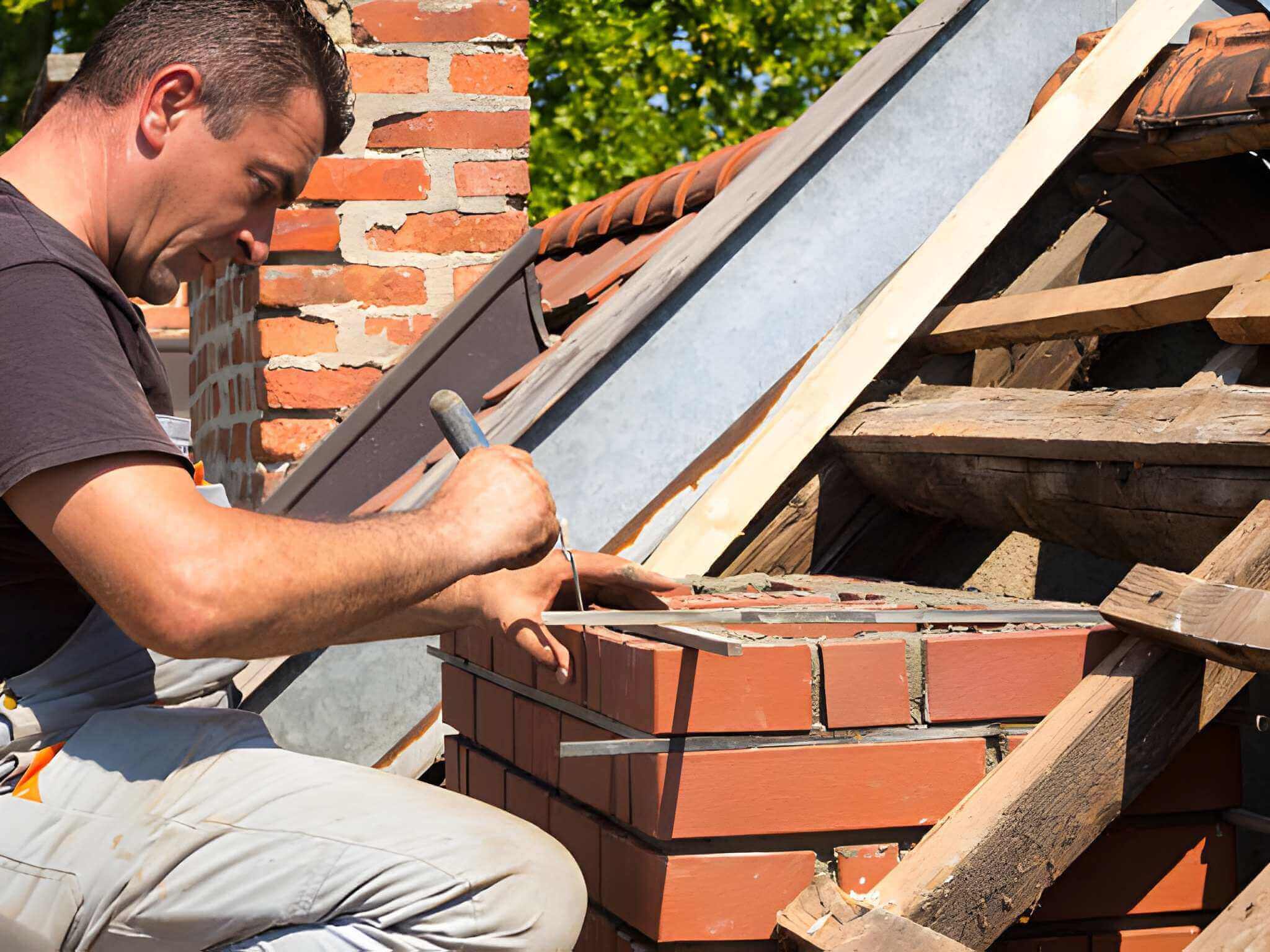
Chimney damage often goes unnoticed until it becomes a bigger problem. Cracks, loose bricks, leaks, and deteriorating mortar can put your home at risk. Our Chimney Expert Team reviews trusted chimney-safety guidelines to help homeowners understand what chimney repair services include and why they matter. This guide explains common repair types, warning signs, repair methods, and when to call a licensed professional.
Content is for educational purposes only. Always consult a licensed chimney professional for inspections, repairs, or structural evaluations.
Why Chimney Repair Services Matter
A chimney is more than a vent for smoke. It manages heat, exhaust gases, and airflow. When parts of the chimney weaken, moisture enters, draft performance drops, and fire risks increase. Chimney repair services help restore structure, safety, and efficiency.
Reliable repairs prevent:
-
Water leaks during rain or snow
-
Cracked masonry and mortar damage
-
Flue deterioration caused by heat and moisture
-
Smoke backup or poor airflow
-
Increased creosote buildup
-
Long-term structural weakening
Regular repairs protect both the chimney and the surrounding areas of the home, including the roof, attic, and fireplace.
Common Types of Chimney Repairs
Homeowners often hear terms like “chimney crown repair,” “flue liner replacement,” or “mortar repointing.” Here are the most common repair services performed by licensed chimney professionals.
Masonry Repairs
Chimney masonry can crack due to age, moisture, or shifting temperatures. Masonry repairs include:
-
Replacing damaged bricks
-
Filling cracks
-
Reinforcing weakened sections
These repairs restore structural strength and help prevent further moisture absorption.
Chimney Repointing
Mortar can crumble over time. Repointing involves removing loose mortar and applying new mortar between bricks. It increases stability and stops water from leaking through the joints.
Chimney Crown Repair
The crown is the concrete top surface that protects the chimney from rain. When it cracks, water can seep into the flue tile or masonry walls. Repairs may include sealing small cracks or rebuilding the crown for long-term durability.
Chimney Leak Repair
Leaks are one of the most common issues. They may come from:
-
Damaged flashing
-
Cracked crowns
-
Missing mortar
-
Absorbing brick surfaces
Licensed professionals locate the source and recommend the proper repair, such as sealing, repointing, or installing new flashing.
Flue Liner Repair or Replacement
A flue liner protects the home from heat and gases. Over time, liners can crack, break, or show signs of heavy wear. Repair may involve patching damaged tiles or replacing the entire liner with stainless steel or another suitable material.
Chimney Cap or Cover Replacement
A missing or damaged cap lets rain, animals, and debris enter the flue. Replacing it is one of the simplest and most effective chimney repair services. A proper cap helps reduce moisture damage and improves airflow.
Signs Your Chimney Needs Repair
Chimney issues often start small. The following warning signs indicate a need for professional inspection:
-
Water stains on walls or ceilings near the chimney
-
Crumbling mortar or loose bricks
-
Rust on the firebox or damper
-
Smoke is entering the room
-
A musty smell is coming from the fireplace
-
Dripping sounds after rain
-
White staining on exterior bricks (efflorescence)
-
Pieces of flue tile in the firebox
If you notice any of these issues, scheduling a licensed chimney inspection is the safest option.
What Licensed Professionals Look For During Repairs
Chimney repair services follow specific safety steps. During an inspection, professionals evaluate:
-
The exterior masonry for cracks or structural wear
-
Chimney crown and cap condition
-
The draft and airflow
-
The flue liner for cracks, gaps, or buildup
-
Water damage inside the firebox
-
Signs of corrosion on metal components
These observations help determine the best repair method and prevent future problems.
Chimney Repairs That Improve Safety
Many chimney repairs directly improve home safety. Below are the repairs most often recommended for long-term protection.
Repairing or Replacing the Chimney Liner
A damaged flue liner increases fire risk because heat can transfer to nearby materials. A new liner helps gases exit safely and protects the masonry.
Fixing the Chimney Crown
A repaired crown prevents moisture from entering and weakening the chimney structure. It also helps prevent freeze–thaw damage in colder climates.
Installing or Repairing Flashing
Flashing seals the connection between the chimney and the roof. If flashing separates or corrodes, leaks develop quickly. Proper flashing installation uses durable metal and reliable sealing methods.
Waterproofing the Chimney
Waterproofing products help reduce moisture absorption and protect bricks from cracking or spalling. This repair is often done after masonry and repointing work.
When to Schedule Chimney Repair Services
Chimney damage can happen at any time, but certain situations require immediate attention:
-
After storms with strong winds
-
After long periods of chimney inactivity
-
Before using the fireplace for the winter season
-
When selling or buying a home
-
When smoke behavior suddenly changes
Annual chimney inspections help catch repairs early, preventing more expensive structural work later.
DIY vs. Hiring a Licensed Professional
Some homeowners wonder if they can repair their chimney on their own. While small tasks like clearing debris from a cap may be manageable, most repairs require professional training for safety reasons.
DIY Limitations
Homeowners may lack:
-
Proper safety equipment
-
Knowledge of chimney structure
-
Experience in identifying hidden damage
Attempting repairs without training can lead to more damage or injury.
Professional Advantages
Licensed chimney professionals:
-
Use industry-approved repair methods
-
Follow guidelines from national chimney safety organizations
-
Identify issues that are hard to spot
-
Ensure repairs meet safety standards
For structural, masonry, or flue-related repairs, hiring a professional is the recommended and safest option.
How to Prevent Future Chimney Damage
Preventive care reduces the need for expensive repairs. Here are simple steps homeowners can follow:
Schedule Regular Inspections
An annual inspection helps catch early signs of damage, such as cracks, leaks, or draft issues.
Keep the Chimney Clean
A clean chimney reduces creosote buildup and improves airflow. This also helps prevent flue damage.
Maintain the Chimney Cap
Ensure the cap stays in place and the screen remains free of debris.
Use Seasoned Firewood
Dry wood burns cleaner, producing fewer harmful residues that can affect the flue.
Check for Water Entry After Storms
Moisture issues often appear after heavy rain. Addressing leaks early prevents future repairs.
Final Thoughts — Protect Your Chimney With Proper Repair Services
Chimney repair services play an essential role in home safety. From fixing cracked mortar to repairing flue liners and crowns, each repair helps prevent moisture damage, fire risks, and airflow problems. The Chimney Expert Team aims to provide clear, reliable information so homeowners can understand the importance of chimney care. For any repair needs, always consult a licensed chimney professional for accurate assessment and safe solutions.
The Expert Chimney Team provides research-based guidance and practical tips on fireplaces, chimneys, and home safety. With 6 years of editorial experience, we help homeowners maintain safe, efficient, and well-functioning homes with clear, easy-to-understand advice. Read More
