
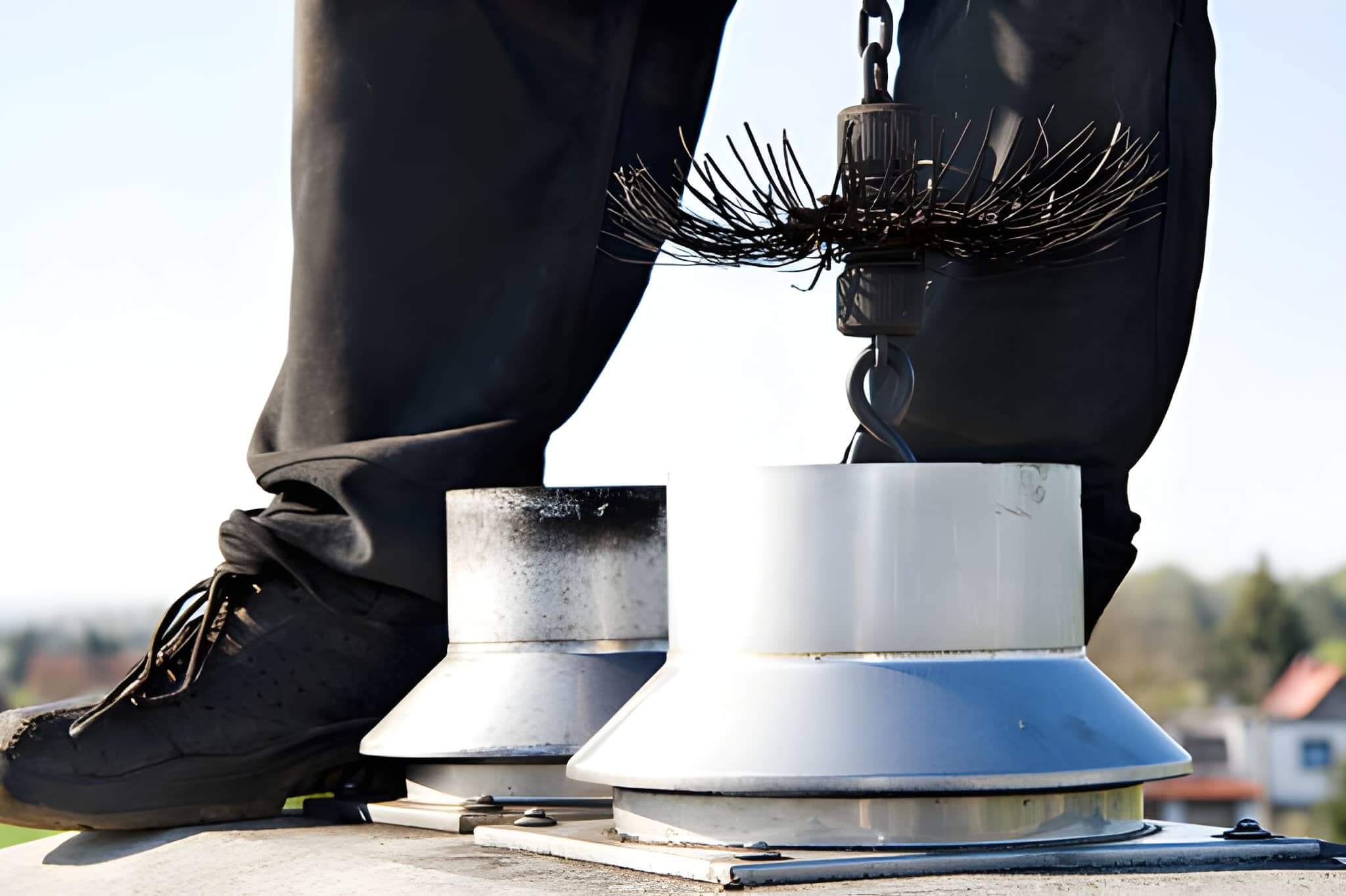
Fireplaces and wood stoves create warmth and ambiance, but they require proper maintenance to keep your home safe. One critical part of this maintenance is understanding the chimney sweep process. The Expert Chimney Team compiles trusted information from home-safety guidelines to help homeowners understand chimney care. This guide explains what a chimney sweep does, the steps involved in chimney cleaning, and why regular sweeping is essential.
What Is a Chimney Sweep?
Many homeowners ask, “What does a chimney sweep do?” A chimney sweep is a professional who cleans soot, ash, and creosote from chimneys. The goal is to prevent fire hazards, improve draft, and maintain the overall health of the chimney system. While the term “chimney sweep” can seem old-fashioned, the role is vital for modern fireplaces and wood stoves.
Chimney sweeping addresses:
-
Accumulated soot and creosote, which are flammable
-
Blockages from debris, animals, or nests
-
Draft issues that cause smoke to enter living spaces
Understanding the chimney sweep’s meaning helps homeowners appreciate why regular maintenance is necessary.
Why Regular Chimney Sweeping Is Important
The chimney cleaning procedure is not just about appearance; it is a critical safety measure. Over time, combustion byproducts like creosote build up inside the flue. Even a thin layer can ignite, causing dangerous chimney fires. Regular sweeping:
-
Reduces fire risk by removing flammable deposits
-
Prevents smoke backup into the home
-
Enhances fireplace efficiency and heating performance
-
Protects the chimney structure from corrosion and moisture damage
Homeowners often underestimate the importance of cleaning until they notice smoke problems, odors, or visible soot. Preventive sweeping avoids these hazards.
Signs Your Chimney Needs a Sweep
Knowing when your chimney needs attention is part of understanding the chimney sweep process. Look for:
-
Soot or creosote buildup inside the flue
-
Smoke enters the room during a fire
-
Lingering odors or soot deposits around the fireplace
-
Birds, squirrels, or other animals nesting in the chimney
-
Debris, such as leaves or twigs, obstructs airflow
Even if these signs aren’t present, annual inspections and sweeps are recommended for most wood-burning systems. Homes in colder climates or with frequent fireplace use may require twice-yearly cleaning.
The Chimney Sweep Process — Step by Step
The chimney sweep process involves several steps designed to ensure thorough cleaning and inspection. While some minor ash removal can be done by homeowners, professional chimney sweeps provide a more complete service.
1. Initial Inspection
A chimney sweep begins by examining the chimney and fireplace system. They check:
-
The flue liner for cracks or corrosion
-
The firebox and damper
-
Signs of moisture or structural damage
This assessment helps determine the extent of cleaning and any required maintenance.
2. Preparing the Area
Before cleaning, the sweep protects the surrounding area. This may include:
-
Covering floors and furniture near the fireplace
-
Removing ashes from the firebox
-
Ensuring proper ventilation
Preparation prevents soot from spreading throughout the home.
3. Cleaning the Chimney
The main part of the chimney cleaning procedure involves removing soot, creosote, and debris. Techniques include:
-
Using chimney brushes and rods that fit the size and shape of the flue
-
Vacuuming loose soot and dust
-
Scraping stubborn deposits without damaging masonry or liners
Wohler chimney brushes or similar high-quality brushes are commonly recommended for effective cleaning.
4. Inspecting for Damage
During sweeping, the chimney is checked for:
-
Cracks in the liner or crown
-
Loose bricks or mortar
-
Blockages that could affect the draft
-
Signs of water damage or corrosion
Identifying these issues early prevents costly repairs and ensures long-term safety.
5. Final Clean-Up and Testing
After sweeping, the area is cleaned, and airflow is tested. This ensures:
-
Proper smoke draft through the flue
-
No debris left behind in the firebox
-
Safe operation of the fireplace or wood stove
Homeowners should always verify that smoke exits efficiently and that the damper operates smoothly.
Chimney Sweep Tools and Equipment
Professional sweeps use specialized tools to complete the process safely and efficiently:
-
Flexible rods and brushes for different flue shapes
-
Wire or nylon chimney brushes for creosote removal
-
Vacuum systems designed for soot and ash
-
Inspection cameras for hidden areas
While some homeowners may attempt light cleaning, full sweeps require these tools for complete safety.
DIY vs. Professional Chimney Sweeping
Homeowners may wonder if they can perform the sweep themselves. Minor maintenance, like removing ashes, can be done safely, but professional sweeps are recommended because they:
-
Remove all creosote safely
-
Inspect hard-to-reach areas
-
Identify structural problems or blockages
-
Follow recognized safety standards
Professional inspections complement the chimney sweep process and reduce the risk of fire or smoke hazards.
Frequency of Chimney Sweeping
How often a chimney should be swept depends on several factors:
-
Usage frequency: Occasional fireplaces may need annual cleaning, frequent use may require twice yearly
-
Fuel type: Wood stoves often produce more creosote than gas fireplaces
-
Wood moisture: Wet wood creates more smoke and buildup
-
Climate: Cold or humid regions may accelerate creosote formation
Following these guidelines ensures the chimney remains safe and efficient.
Safety Tips for Homeowners
Even with a professional sweep, homeowners can maintain chimney safety by:
-
Using dry, seasoned wood to minimize creosote
-
Keeping the chimney cap installed to prevent debris or animal entry
-
Scheduling inspections annually or as recommended for high-use homes
-
Monitoring for smoke backup, unusual odors, or drafts
Key Takeaways
-
The chimney sweep process involves inspection, cleaning, and evaluation for safety
-
Sweeps remove soot, creosote, and blockages to prevent fire and smoke hazards
-
Professional sweeping ensures thorough cleaning and early problem detection
-
Frequency depends on usage, fuel type, and local climate
-
Homeowners should combine sweeps with proper fireplace habits for maximum safety
Final Thoughts — Keep Your Chimney Safe and Functional
Understanding the chimney sweep process helps homeowners protect their homes from fire, smoke, and structural damage. Regular sweeping, inspections, and proper maintenance keep fireplaces and wood stoves operating efficiently.
The Expert Chimney Team compiles trusted safety information to help homeowners make informed decisions. Always consult licensed professionals for thorough chimney cleaning, inspections, and any repairs. Following these best practices ensures a safe, efficient, and long-lasting chimney system.
The Expert Chimney Team provides research-based guidance and practical tips on fireplaces, chimneys, and home safety. With 6 years of editorial experience, we help homeowners maintain safe, efficient, and well-functioning homes with clear, easy-to-understand advice. Read More
