
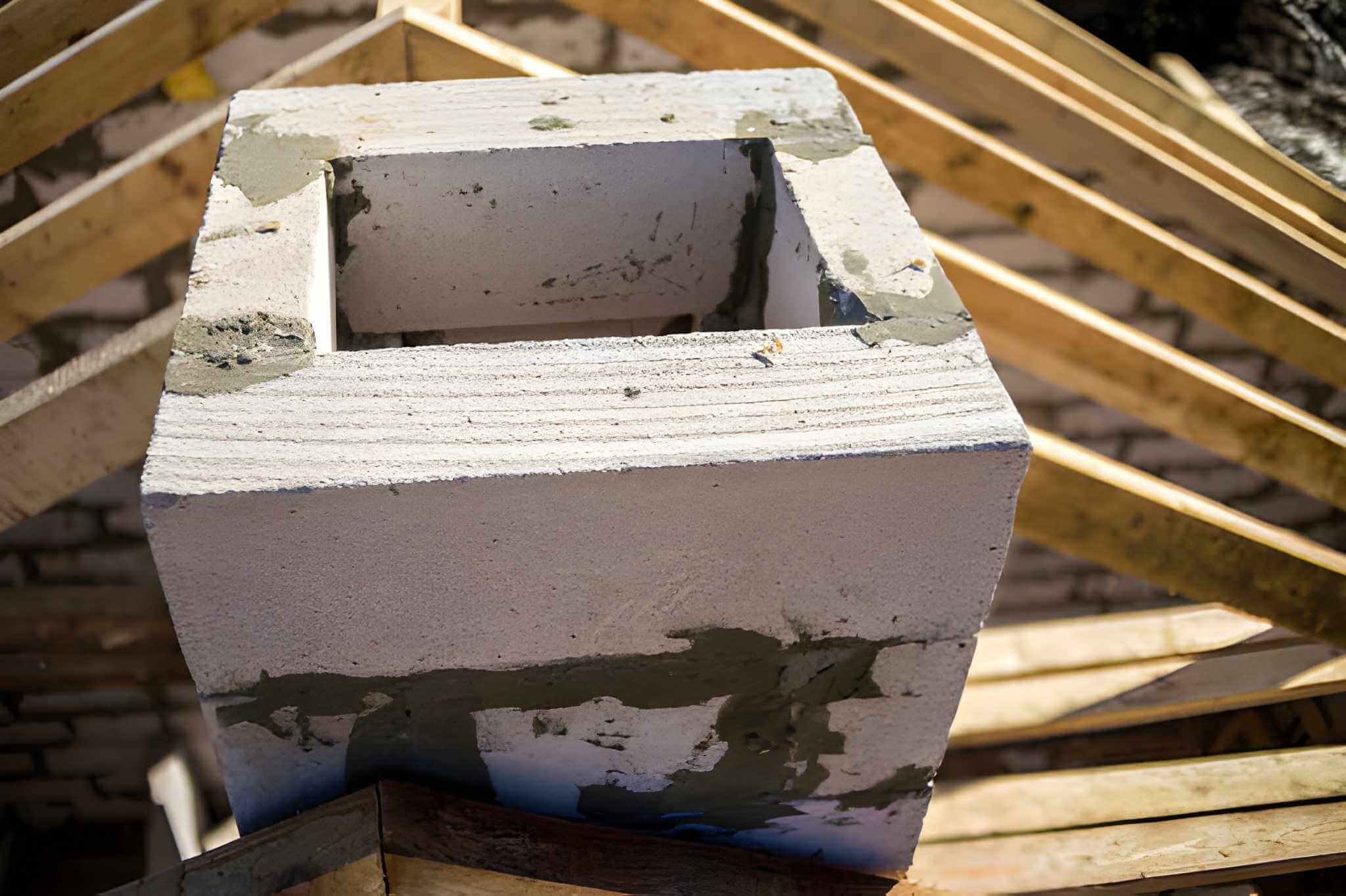
Concrete chimney crown repair plays a key role in protecting your chimney from long-term water damage. The chimney crown sits at the very top of the chimney and acts as a protective barrier between the flue and the surrounding masonry. When cracks form or materials break down, water can enter the chimney system and cause costly problems over time.
This guide explains what a concrete chimney crown is, why repairs matter, common signs of damage, and general repair approaches used in the industry. The content is for informational purposes only and is meant to help homeowners understand chimney safety basics. Always consult a licensed chimney professional for inspections, repairs, or replacement work.
What Is a Concrete Chimney Crown?
A concrete chimney crown is a sloped, cement-based layer that seals the top of the chimney. It sits above the brick or masonry structure and surrounds the flue opening. Its main purpose is to direct water away from the chimney and protect the structure below.
Unlike a chimney cap, which covers the flue opening, the chimney crown protects the entire chimney top. A properly built concrete chimney crown extends slightly beyond the chimney edges and includes a drip edge to prevent water from running down the brickwork.
Why Chimney Crown Repair Is Important
Chimney crown damage is one of the most common causes of chimney leaks. Even small cracks can allow moisture to enter the chimney system. Over time, repeated exposure to water, freeze-thaw cycles, and temperature changes can worsen the damage.
Problems linked to a cracked chimney crown include:
-
Water leaking into the chimney structure
-
Brick and mortar deterioration
-
Rusted chimney caps or flue liners
-
Interior water stains near fireplaces
-
Reduced chimney lifespan
Addressing chimney crown crack repair early helps limit structural damage and protects other components, such as the chimney cap and flue.
Common Causes of Cracked Chimney Crowns
Concrete chimney crowns face harsh outdoor conditions year-round. Several factors can lead to cracking or failure.
Weather Exposure
Rain, snow, ice, and direct sunlight all affect concrete over time. Freeze-thaw cycles are especially damaging. Water enters small cracks, freezes, expands, and makes the cracks larger.
Poor Construction
Some older chimneys have crowns made from basic mortar instead of proper concrete. Chimney crown mortar without reinforcement or expansion joints often cracks faster.
Lack of Expansion Gap
A chimney crown should include a small gap between the crown and the flue liner. Without this space, normal flue expansion can push against the concrete and cause cracking.
Aging Materials
Even well-built concrete chimney crowns wear down over time. Aging materials lose flexibility and become more prone to damage.
Signs You May Need Chimney Crown Repair
Spotting early warning signs can help prevent major chimney top repair issues.
-
Visible cracks on the crown surface
-
Pieces of concrete breaking off
-
Water pooling on top of the chimney
-
Rusted or loose chimney cap
-
Damp smells coming from the fireplace
-
Interior wall or ceiling stains near the chimney
If you notice these signs, a professional chimney inspection is recommended to assess whether chimney crown repair or replacement is needed.
Chimney Crown Repair vs. Chimney Crown Replacement
Not all chimney crowns need full replacement. The right approach depends on the extent of the damage.
Chimney Crown Crack Repair
Small surface cracks may be addressed with specialized chimney crown repair cement or sealant. These products are designed to flex slightly and resist moisture penetration. Crack repair works best when damage is minor and caught early.
Chimney Crown Replacement
Severely cracked, crumbling, or improperly built crowns often require full chimney crown replacement. Replacement involves removing the old crown and installing a new concrete chimney crown with proper slope and reinforcement.
A licensed chimney professional can determine which option is appropriate after inspection.
General Steps Used in Concrete Chimney Crown Repair
The following steps describe common industry practices for repairing a concrete chimney crown. This is general information only and not a DIY instruction guide.
Inspection and Cleaning
The chimney crown is examined for cracks, gaps, and loose material. Debris and damaged concrete are cleared to create a clean surface.
Crack Preparation
Cracks are widened slightly to allow repair materials to bond properly. Dust and moisture are removed.
Application of Repair Material
Chimney crown repair cement or flexible sealant is applied to cracks and gaps. The goal is to create a watertight seal that can handle temperature changes.
Surface Smoothing
The repaired areas are smoothed to prevent water pooling and ensure proper drainage.
Curing and Final Check
The repair material is allowed to cure according to the manufacturer’s guidelines. The crown is checked to confirm proper slope and coverage.
For large or structural issues, chimney crown replacement is often safer than repeated repairs.
Relationship Between Chimney Crown and Chimney Cap
The chimney crown and chimney cap work together to protect the chimney top. While the crown seals the masonry surface, the cap covers the flue opening.
A damaged crown can cause chimney cap repair issues, such as rust, shifting, or loosened fasteners. Fixing a chimney cap without addressing crown damage may not stop water intrusion.
Proper chimney top repair usually involves checking both the crown and the cap to ensure full protection.
Materials Used in Chimney Crown Repairs
Several materials are commonly referenced in chimney crown repair discussions.
Chimney Crown Repair Cement
Specialty cement products are designed to withstand weather exposure and temperature changes. These materials bond well to existing concrete and offer improved durability.
Chimney Crown Mortar
Basic mortar is sometimes used for patching, but it is generally less durable than dedicated repair cement. Mortar-only repairs may not last as long.
Concrete Chimney Crown
For full replacement, reinforced concrete is considered the most durable option. A properly built concrete chimney crown can last decades with regular inspections.
Preventing Future Chimney Crown Damage
Preventive care helps reduce the need for frequent repairs.
-
Schedule regular chimney inspections
-
Address small cracks early
-
Keep the chimney cap secure and rust-free
-
Ensure proper drainage and slope
-
Avoid makeshift or temporary patch materials
Routine chimney maintenance supports the long-term performance of the chimney crown and surrounding masonry.
Chimney Crown Repair and Water Damage Prevention
Water is the main threat to chimney systems. A cracked chimney crown allows moisture to reach bricks, mortar joints, and liners. Over time, this can lead to expensive chimney top repair or interior home damage.
Proper chimney crown repair helps:
-
Reduce freeze-thaw stress
-
Protect the brickwork and mortar
-
Extend chimney lifespan
-
Improve fireplace safety
-
Limit mold and moisture issues
When to Contact a Licensed Chimney Professional
Concrete chimney crown repair often involves working at roof level and handling structural materials. For safety and accuracy, licensed chimney professionals should perform inspections and repairs.
Professional help is recommended if:
-
Cracks are wide or deep
-
Concrete is breaking apart
-
Water leaks persist
-
The chimney crown was built with mortar only
-
You suspect internal chimney damage
A qualified expert can assess whether fixing a chimney crown or full replacement is the safest option.
Frequently Asked Questions About Chimney Crown Repair
Can a cracked chimney crown cause leaks?
Yes. Even small cracks can allow water into the chimney structure, leading to leaks and masonry damage.
Is chimney crown repair the same as chimney cap repair?
No. Chimney crown repair addresses the concrete surface at the top of the chimney, while chimney cap repair focuses on the flue cover.
How long does a concrete chimney crown last?
A properly built concrete chimney crown can last many years. Regular inspections help catch issues early.
Can chimney crown damage affect fireplace performance?
Yes. Moisture entering the chimney can impact draft, create odors, and damage internal components.
Final Thoughts on Concrete Chimney Crown Repair
Concrete chimney crown repair is an essential part of chimney maintenance and water damage prevention. The chimney crown protects the entire system from moisture, weather exposure, and structural wear. Addressing cracks early and understanding when replacement is needed helps homeowners avoid larger chimney problems.
The Expert Chimney Team provides educational information to help homeowners understand chimney safety and maintenance topics. This content is for informational purposes only. Always consult a licensed chimney professional for inspections, repairs, or chimney crown replacement to ensure safety and proper performance.
The Expert Chimney Team provides research-based guidance and practical tips on fireplaces, chimneys, and home safety. With 6 years of editorial experience, we help homeowners maintain safe, efficient, and well-functioning homes with clear, easy-to-understand advice. Read More
