
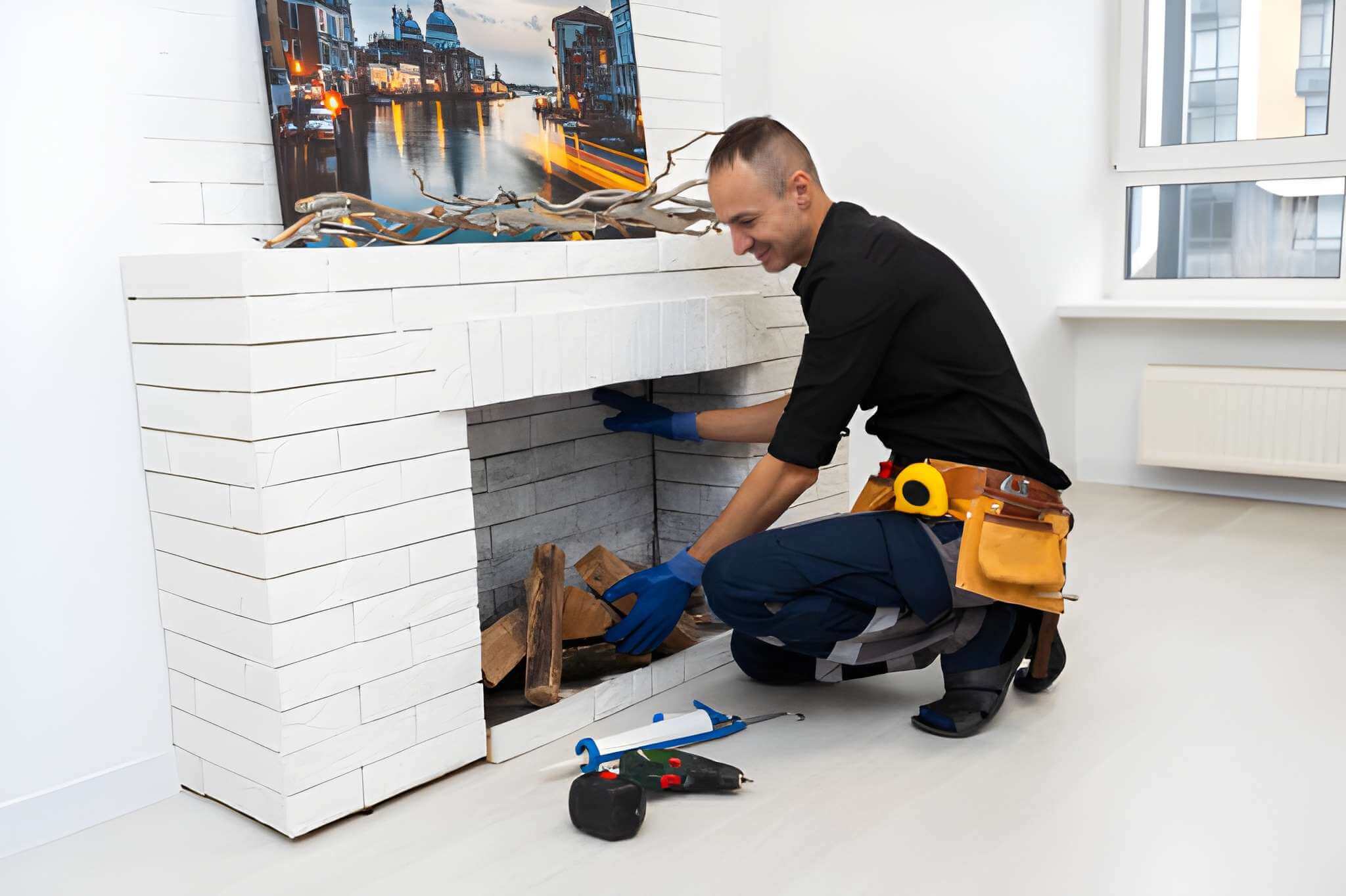
Maintaining a fireplace and its chimney is essential for the safety, efficiency, and longevity of your home heating system. We provide homeowners with detailed, research-backed guidance on fireplace chimney repair. This article explains common repair needs, signs of damage, and practical steps to ensure your chimney functions safely. Our goal is to educate and encourage consulting licensed chimney professionals for inspections and repairs.
A well-maintained chimney prevents fire hazards, improves airflow, and protects the structural integrity of your home. From minor cracks to larger masonry issues, understanding the basics of fireplace and chimney repairs empowers homeowners to make informed decisions about maintenance and professional services.
Why Fireplace Chimney Repair Matters
A chimney is more than a vent for smoke; it is a critical safety feature of your home. Ignoring repair needs can lead to serious problems, including:
-
Water Damage: Cracks or missing mortar allow water to penetrate masonry, causing rust, mold, or structural issues.
-
Fire Hazards: Creosote buildup or damaged flues can increase the risk of chimney fires.
-
Reduced Efficiency: Blockages or cracks can prevent proper airflow, reducing the performance of your fireplace.
-
Structural Deterioration: Prolonged neglect may cause bricks, mortar, or the chimney crown to fail.
Regular inspection and timely repairs protect both your home and your family. Understanding common repair issues helps homeowners identify when professional intervention is necessary.
Common Chimney Repair Issues
Chimneys can develop various problems over time. Some of the most frequent issues include:
Cracked Chimney Crown
The chimney crown is the top protective layer of your chimney. Cracks here allow water to seep into masonry, accelerating wear and causing interior damage.
Damaged Flue
The flue is the passage that directs smoke out of your home. Damaged or deteriorated flues can lead to poor draft, smoke leakage, or carbon monoxide risks.
Loose or Missing Bricks and Mortar
Weathering and temperature changes can cause bricks or mortar joints to loosen, creating structural instability and potential safety hazards.
Creosote Buildup
Creosote is a flammable byproduct of burning wood. Over time, it accumulates inside the flue and poses a serious fire risk if not regularly removed.
Signs You Need Fireplace Chimney Repair
Homeowners can watch for visible signs that indicate repair is needed. These include:
-
Smoke or odors entering the room instead of venting outside
-
Crumbling mortar or loose bricks
-
Water stains on walls or ceilings near the fireplace
-
Visible cracks in the chimney crown or flue liner
-
Excessive creosote accumulation despite regular cleaning
If any of these signs appear, it’s essential to contact a licensed chimney professional for inspection and potential repair.
Steps for Maintaining a Safe Chimney
Even though professional repair is critical, homeowners can take steps to maintain their chimneys and prevent damage:
Regular Inspection
Schedule annual chimney inspections to detect early signs of damage. Professionals assess the crown, flue, masonry, and ventilation.
Routine Cleaning
Regular chimney cleaning prevents excessive creosote buildup, improving fireplace efficiency and reducing fire risk.
Prompt Minor Repairs
Small cracks or loose bricks should be addressed immediately to prevent them from developing into larger, more costly problems.
Weatherproofing
Applying chimney waterproofing products or sealing the crown can help prevent water infiltration and masonry erosion.
DIY vs. Professional Chimney Repair
Some homeowners may wonder if minor repairs can be done themselves. While small tasks like clearing debris or cleaning can be safe with proper precautions, structural repairs and flue issues should always be handled by licensed professionals. Professionals ensure repairs comply with safety codes and NFPA 211 standards, protecting your home from potential hazards.
When to Call a Professional
Professional intervention is recommended for:
-
Major masonry repairs or rebuilding
-
Damaged or deteriorating flues
-
Fire hazards from creosote or blockages
-
Structural instability or leaning chimneys
Consulting certified chimney repair experts ensures repairs are safe, effective, and long-lasting.
Benefits of Timely Chimney Repairs
Prompt chimney maintenance and repair offer several advantages:
-
Safety: Reduces risk of fire and carbon monoxide exposure.
-
Efficiency: Ensures proper draft and optimal fireplace performance.
-
Durability: Protects masonry and structural integrity.
-
Cost Savings: Prevents expensive future repairs by addressing issues early.
Understanding the benefits emphasizes why chimney upkeep is a priority for homeowners.
Tips for Long-Term Fireplace Maintenance
To keep your fireplace and chimney in top condition:
-
Burn seasoned wood to minimize creosote buildup
-
Inspect your chimney annually
-
Keep the chimney cap installed to prevent debris and animal entry
-
Address minor cracks or leaks promptly
-
Schedule professional cleaning and inspection regularly
Following these steps enhances safety and prolongs the life of your fireplace system.
Seasonal Considerations
During fall and winter, heavy fireplace use may accelerate wear. Mid-season checks help identify creosote buildup, blockages, or moisture intrusion. Spring inspections can detect any damage caused by storms, wind, or winter weather.
Final Thoughts – Maintaining a Safe Fireplace
Fireplace chimney repair is essential for protecting your home, improving efficiency, and ensuring safe operation. Recognizing common issues, performing routine maintenance, and consulting licensed professionals for repairs ensures your chimney functions safely year-round.
Our Chimney Expert Team provides educational guidance on chimney repair, fireplace maintenance, and safety tips. Understanding the basics empowers homeowners to make informed decisions while prioritizing professional inspections and repairs for long-term peace of mind.
The Expert Chimney Team provides research-based guidance and practical tips on fireplaces, chimneys, and home safety. With 6 years of editorial experience, we help homeowners maintain safe, efficient, and well-functioning homes with clear, easy-to-understand advice. Read More
