
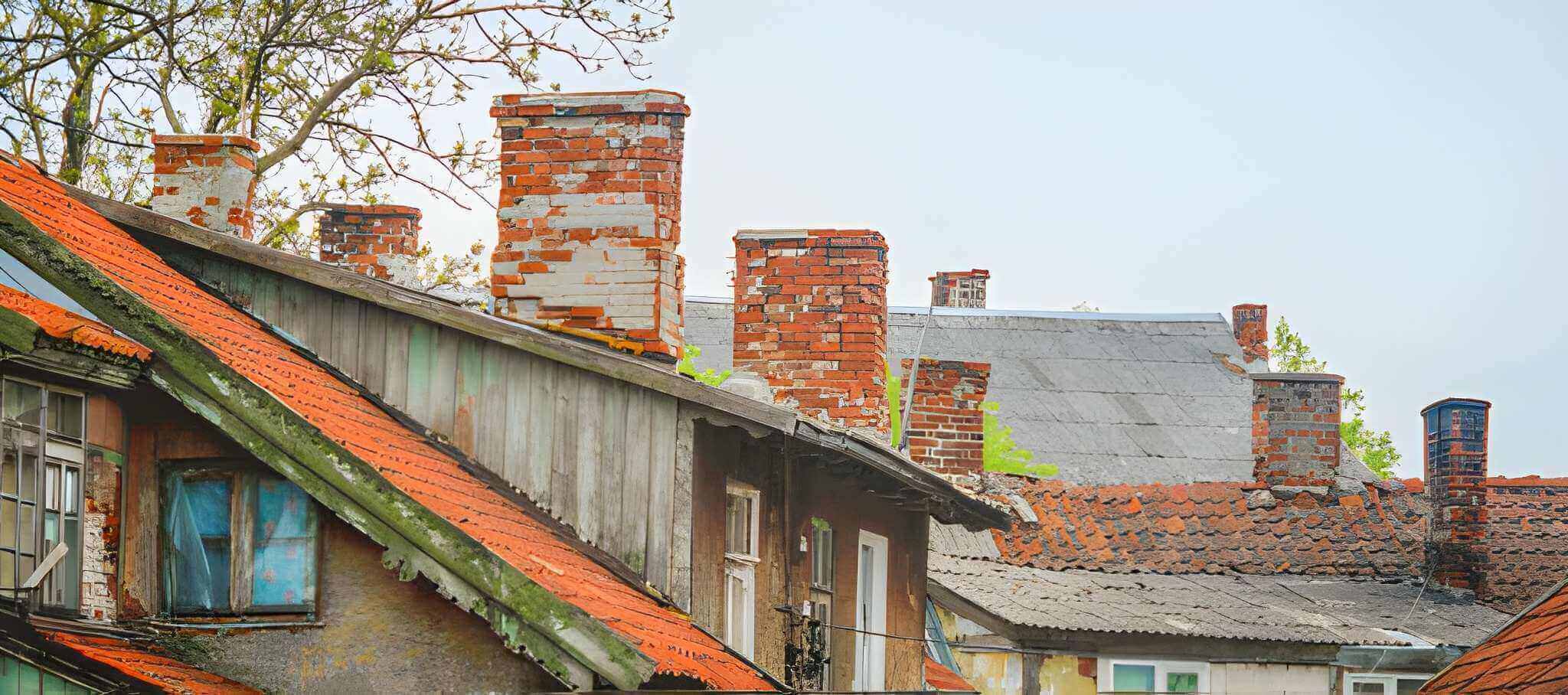
Chimney bricks face constant exposure to rain, wind, heat, and freezing temperatures. Over time, this exposure causes cracks, loose bricks, and crumbling mortar. If left untreated, minor damage can turn into serious structural problems and water leaks.
This educational guide explains how chimney brick damage happens, common repair options, and when to seek professional help. The content is informational only and intended to help homeowners understand chimney stack repairs—not replace inspections or repairs by licensed chimney professionals.
Understanding Why Chimney Bricks Deteriorate
Brick chimneys look solid, but they are not maintenance-free. Several factors slowly weaken masonry over time.
Weather Exposure and Freeze-Thaw Cycles
Water enters small cracks in bricks and mortar. When temperatures drop, that water freezes and expands. This repeated freeze-thaw cycle causes bricks to crack, flake, or loosen.
Heat and Smoke Damage
High temperatures from fireplaces and wood stoves stress chimney materials. Over time, this heat breaks down mortar joints and weakens bricks near the flue.
Aging Mortar Joints
Mortar often fails before bricks. As mortar erodes, bricks lose support and may shift or fall out of place.
Poor Drainage or Missing Chimney Protection
Damaged chimney caps, flashing, or crowns allow water to run directly into masonry, accelerating brick damage.
Common Signs You Need to Fix Chimney Bricks
Early detection helps prevent costly chimney stack repairs.
Visible Brick Cracks or Gaps
Cracks in bricks or spaces between bricks indicate structural movement or moisture damage.
Spalling or Flaking Bricks
Spalling occurs when brick surfaces peel or chip away. This often signals trapped moisture.
Loose or Missing Bricks
Bricks that move when touched or have fallen out entirely require immediate attention.
White Staining on Bricks
White powdery stains, called efflorescence, indicate moisture passing through masonry.
Interior Water Leaks Near the Fireplace
Water stains around the fireplace may point to exterior brick failure.
Can You Fix Chimney Bricks Yourself?
Some minor repairs may seem simple, but chimney work carries safety risks and structural concerns.
When Minor Repairs May Be Possible
Small mortar cracks or surface damage may be addressed temporarily with masonry patch products. These are short-term solutions, not permanent fixes.
Risks of DIY Chimney Brick Repairs
Working at roof height is dangerous. Improper repairs can trap moisture, block ventilation, or weaken the chimney further.
Why Professional Evaluation Matters
A licensed chimney professional can assess hidden damage inside the chimney stack that is not visible from the ground.
How to Fix Chimney Bricks: Common Repair Methods
Different levels of damage require different repair approaches.
Tuckpointing for Mortar Damage
Tuckpointing removes damaged mortar and replaces it with fresh mortar. This restores structural support without replacing bricks.
Replacing Chimney Bricks
Severely damaged or spalled bricks must be removed and replaced. Matching brick size and mortar type is critical for durability.
Chimney Stack Repairs
When damage extends through multiple layers, partial or full chimney stack repairs may be needed. This involves rebuilding sections of the chimney.
Chimney Crown Repairs
A damaged crown allows water to reach bricks below. Repairing or sealing the crown helps prevent future brick damage.
Materials Commonly Used in Chimney Brick Repairs
Understanding materials helps homeowners make informed decisions.
Replacement Bricks
Chimney bricks must handle heat and weather exposure. Not all bricks are suitable for chimney use.
Mortar Types
Mortar must be softer than the brick. Using mortar that is too hard can cause bricks to crack.
Waterproofing Sealants
Breathable masonry sealants help repel water while allowing moisture vapor to escape.
Safety Considerations When Fixing Chimney Bricks
Chimney repairs involve serious safety concerns.
Fall Hazards
Roofs and ladders present fall risks. Many chimney injuries occur during DIY attempts.
Structural Stability
Removing bricks without proper support can cause partial chimney collapse.
Fire and Ventilation Risks
Improper repairs can block flue airflow, increasing fire and carbon monoxide risks.
Preventing Future Chimney Brick Damage
Prevention is often more affordable than repairs.
Annual Chimney Inspections
Regular inspections help catch early brick and mortar problems.
Chimney Caps and Flashing
A properly fitted chimney cap and sealed flashing prevent water intrusion.
Chimney Waterproofing
Applying a breathable water repellent reduces moisture absorption in bricks.
Routine Maintenance
Cleaning gutters, trimming nearby branches, and monitoring chimney surfaces all help extend chimney life.
How Long Do Chimney Brick Repairs Last?
Repair longevity depends on materials, workmanship, and exposure conditions.
Minor Repairs
Surface repairs may last a few years but often require monitoring.
Professional Brick Replacement
Properly repaired chimney bricks can last decades with regular maintenance.
Environmental Factors
Cold climates, heavy rain, and poor drainage reduce repair lifespan if preventive steps are ignored.
When to Call a Professional for Chimney Stack Repairs
Some situations require immediate expert attention.
Leaning or Tilting Chimneys
Structural movement is dangerous and requires professional rebuilding.
Large Cracks or Brick Loss
Significant brick loss compromises chimney stability.
Smoke or Draft Problems
Brick damage can affect flue performance and indoor air safety.
Repeated Water Leaks
Ongoing moisture issues signal deeper masonry or flashing problems.
Frequently Asked Questions About Fixing Chimney Bricks
How much does it cost to fix chimney bricks?
Costs vary based on damage extent, chimney height, and repair type. Minor repairs cost less than full chimney stack rebuilding.
Can damaged chimney bricks cause leaks?
Yes. Cracked bricks allow water to enter the chimney and surrounding structure.
Is chimney brick repair urgent?
Loose or missing bricks should be addressed quickly to prevent collapse or water damage.
Can sealing bricks stop damage?
Sealants help prevent moisture absorption but cannot fix existing structural damage.
Educational Disclaimer
This article is for educational purposes only. This is an informational chimney-safety blog. We do not provide repair services or professional certifications. Always consult a licensed chimney professional for inspections, repairs, or structural concerns.
Final Thoughts on How to Fix Chimney Bricks
Chimney brick damage is common but manageable when addressed early. Understanding the causes, warning signs, and repair options helps homeowners make safer decisions. While minor surface issues may seem manageable, chimney work often involves hidden risks.
Regular inspections, proper repairs, and moisture control remain the best ways to protect your chimney. When in doubt, professional chimney evaluations ensure safety, longevity, and peace of mind.
The Expert Chimney Team provides research-based guidance and practical tips on fireplaces, chimneys, and home safety. With 6 years of editorial experience, we help homeowners maintain safe, efficient, and well-functioning homes with clear, easy-to-understand advice. Read More
