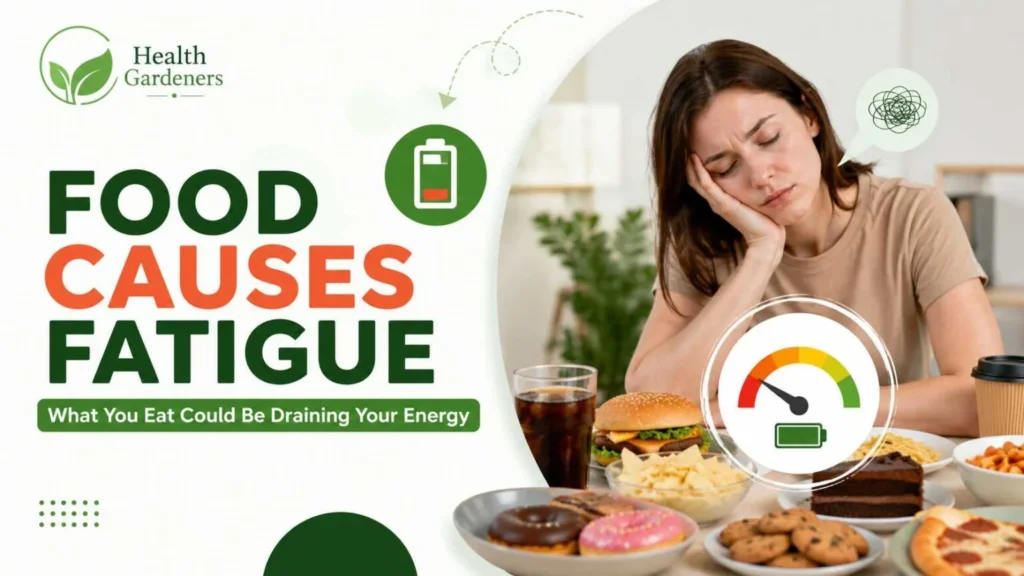
Feeling tired after eating is common and usually harmless. It is often called a food coma, and the medical term is postprandial somnolence. Sleepiness tends to peak one to two hours after a meal and is stronger after large, high-calorie meals. The main causes are meal size, fast-digesting carbohydrates, alcohol, your body clock’s natural afternoon dip, and poor sleep the night before. Smaller, balanced meals and a short walk after eating help most people. This guide explains each cause, how to prevent the crash, and when tiredness after meals is worth checking with a doctor.
Key Takeaways
- Sleepiness after a meal usually starts within 30 minutes to two hours and can last up to three or four hours.
- Larger, higher-calorie meals cause a stronger effect.
- Carbohydrates that digest quickly raise blood glucose faster than those that digest slowly.
- Your body clock has a natural dip in the early afternoon, which adds to the effect of lunch.
- Occasional tiredness after eating is not a sign of diabetes by itself.
What Is a Food Coma?
According to Cleveland Clinic, a food coma is a short-term increase in sleepiness and sluggishness after eating a meal. Sleep tests show that sleepiness rises after meals, usually peaking one to two hours afterwards, and then fades. You may find it harder to think clearly or to focus on demanding tasks during this time.
Most people have experienced it, and it does not usually cause any health problems.
Why It Happens
You may have heard that blood rushes from your brain to your stomach after a meal. Cleveland Clinic states that researchers once believed this and now know it is not accurate. Current explanations point to several factors working together:
- signals sent from your gut to your brain
- changes in substances in your blood, such as glucose and amino acids
- shifts in the brain pathways that keep you alert
Researchers are still not certain exactly why it happens.
7 Causes of Tiredness After Eating
1. A Large Meal
The effect is stronger after larger, higher-energy meals. Portion size matters even with healthy food. The Better Health Channel, run by the Victorian Government in Australia, gives pasta as an example. Pasta raises blood glucose slowly, yet a large serving can still cause blood glucose to rise more rapidly than a smaller one.
2. Fast-Digesting Carbohydrates
Your body breaks carbohydrates down into glucose, which enters your bloodstream. The glycaemic index (GI) ranks foods by how quickly they do this.
- High GI foods, such as white bread, release glucose into the blood quickly.
- Low GI foods, such as oats, release glucose gradually, so the rise in blood glucose is slower and flatter.
The Better Health Channel compares two breakfasts. Porridge made from whole grain oats is digested much more slowly than cornflakes, and it provides more sustained energy.
3. Sugary Foods and Drinks
Sweets, pastries, and sugary drinks are easy to consume in large amounts and contain little fibre or protein to slow digestion. The World Health Organization recommends keeping free sugars below 10% of daily energy intake.
4. Heavy, Fatty, and Highly Processed Meals
Cleveland Clinic notes that Western-style eating patterns are linked with poorer sleep and more daytime sleepiness. These patterns include foods high in saturated fat, refined grains and sugars, and processed meats. Fast food meals often combine all three with a large portion. Read more about how processed food affects your health.
5. Alcohol With Your Meal
Alcohol makes you drowsy. Limiting alcohol at lunch is one of the steps Cleveland Clinic suggests for people troubled by sleepiness after meals.
6. Your Body Clock’s Afternoon Dip
Lunch often gets the blame for something your body clock is already doing. Your internal clock has an early afternoon dip that can make you feel sleepier, whether you have eaten or not. A US National Institutes of Health graphic of a typical teenager’s daily cycle labels 2 p.m. to 5 p.m. as the afternoon slump. A heavy lunch adds to this dip. Learn more in our guide to circadian rhythm.
7. Poor Sleep the Night Before
People who are short on sleep are more likely to feel sleepy after meals. Cleveland Clinic lists young adults who have not had much sleep and night-shift workers among those at greater risk. If you feel sleepy after every meal, look at your sleep first. See our article on sleep debt.
Foods That Make You Tired and What to Eat Instead
| More likely to cause a crash | Steadier alternative |
|---|---|
| Cornflakes or sugary cereal | Porridge made from oats |
| White bread | Grainy or seeded bread |
| A very large plate of pasta or rice | A smaller portion with vegetables and a protein food |
| Sugary drinks | Water |
| Pastries and sweets as a snack | Fruit with plain yogurt or a handful of nuts |
| Fried fast food meal | Grilled chicken or beans with salad and whole grains |
You do not need to avoid every high GI food. The Better Health Channel explains that eating low GI and high GI foods together averages out the effect, and that fat, protein, and soluble fibre all slow digestion. Choosing the whole grain or higher-fibre option usually means choosing the lower GI option too.
For a full list of good options, see our guide to the best foods for energy.
How to Stop Feeling Tired After Eating
- Eat smaller meals. Cleveland Clinic recommends smaller, balanced meals that prioritise protein, fibre, and lower GI carbohydrates.
- Balance your plate. Combine a whole grain with a protein food and plenty of vegetables.
- Walk after eating. A 10 to 30 minute walk after a meal is one of the suggested remedies.
- Skip alcohol at lunch.
- Take a short nap if you can. Cleveland Clinic suggests a 20 minute nap when possible.
- Sleep well at night. Being rested makes the afternoon dip much easier to handle.
- Plan demanding work around the dip. Schedule tasks that need sharp focus for the late morning where you can.
Safety note: do not drive or operate machinery if you feel sleepy after a meal. Take a break or a short nap first.
Could It Be a Food Intolerance?
Sometimes. The UK’s National Health Service (NHS) explains that a food intolerance is when you have difficulty digesting certain foods or ingredients. Symptoms usually appear a few hours after eating. The common ones are diarrhoea, bloating, wind, and tummy pain, and other possible symptoms include feeling tired or exhausted, headache, and feeling sick.
If tiredness after eating comes with digestive symptoms and keeps returning, speak to a doctor. Two points from the NHS are worth knowing:
- Some home tests that claim to diagnose food intolerances are not recommended, because there is limited evidence that they give accurate results.
- Do not cut foods out of your diet without advice from a doctor or dietitian, as you could miss out on important vitamins and minerals.
A food intolerance is different from a food allergy. An allergy causes symptoms such as itchy skin, wheezing, or swelling of the lips, face, and eyes. Sudden swelling of the mouth or throat or difficulty breathing is a medical emergency.
Is Feeling Tired After Eating a Sign of Diabetes?
Not by itself. Cleveland Clinic states that occasional sleepiness after meals is common. It becomes worth checking if it happens frequently or if you also have symptoms of diabetes, such as increased thirst, frequent urination, or blurred vision.
Low blood glucose can also cause tiredness. The National Institute of Diabetes and Digestive and Kidney Diseases lists feeling shaky, hungry, tired, dizzy, or irritable among its symptoms. It is most common in people with diabetes who take insulin or certain other medicines.
When to See a Doctor
Cleveland Clinic advises seeing a healthcare provider if you have:
- frequent or severe daytime sleepiness
- loud snoring or pauses in breathing during sleep
- dizziness or fainting after meals
- shakiness, sweating, or confusion a few hours after eating
- symptoms of diabetes, such as thirst, frequent urination, or blurred vision
Some medicines can also make drowsiness after meals worse, including sedating antihistamines, some antidepressants, and some blood pressure medicines. Ask your doctor or pharmacist if you think a medicine may be involved. Do not stop a prescribed medicine without medical advice.
Frequently Asked Questions
Why do I feel tired after eating?
The most common reasons are a large meal, fast-digesting carbohydrates, alcohol, the natural afternoon dip in your body clock, and not enough sleep the night before.
Is it normal to feel sleepy after eating?
Yes. Most people experience it at times, and it does not usually cause health problems.
How long does a food coma last?
Sleepiness often starts 30 minutes to two hours after a meal and can last up to three to four hours.
What foods make you tired?
Large portions, refined grains, sugary foods and drinks, meals high in saturated fat, and alcohol are the most likely to leave you sleepy.
Why do I get tired after lunch but not breakfast?
Lunch coincides with the early afternoon dip in your body clock, so the two effects add together. Lunch is also often a bigger meal.
Does eating sugar make you tired?
Sugary foods digest quickly and are not very filling, so many people feel a drop in energy afterwards. Pairing carbohydrates with protein and fibre slows digestion.
Can a food intolerance make you tired?
It can. The NHS lists feeling tired or exhausted among the possible symptoms, usually alongside digestive symptoms such as bloating or tummy pain.
The Bottom Line
Feeling tired after eating is usually a normal response to a large meal, made stronger by the afternoon dip in your body clock. Eat smaller, balanced meals, choose slower-digesting carbohydrates, take a short walk after lunch, and get enough sleep. See a doctor if the tiredness is frequent or severe, or if it comes with other symptoms.
Sources
- Cleveland Clinic. Food Coma (Postprandial Somnolence).
- Better Health Channel, Victorian Government. Carbohydrates and the glycaemic index.
- National Health Service (UK). Food intolerance.
- National Institute of General Medical Sciences. Circadian Rhythms.
- National Institute of Diabetes and Digestive and Kidney Diseases. Low Blood Glucose (Hypoglycemia).
- World Health Organization. Healthy diet fact sheet.
This article is for general information only and is not medical advice. If you have ongoing tiredness, a suspected food intolerance or allergy, or a medical condition, speak to a qualified healthcare professional. Read our full Disclaimer.

The Health Gardeners Team researches and writes practical wellness content on sleep, nutrition, energy, and daily habits. Our articles are based on published research and guidance from reputable health organizations, and we review and update them regularly. We are not medical professionals, and our content is for general information only. It is not a substitute for advice from a qualified healthcare provider. Learn more about us.